Der Produkttext wird auf Englisch angezeigt, da kein Quelltext in dieser Sprache verfügbar ist.

Der fallende Mini-Planet: Physik-Abenteuer

Derzeit kein Rabatt.
Warum dieses Urteil
Angebote
Preise offizieller Shops und gekennzeichnete Keyshop-Vergleiche
Problem melden
Preisverlauf
Akzeptierter Preisverlauf und erfasste Tiefpreise
Editionen
Eindeutig gruppierte Editionen mit dem jeweils günstigsten erfassten Angebot
- Evolution of a Mini World: Physics Wonderland Diese EditionBasisspielEnthält
-
 Evolution of a Mini World: Physics Wonderland
Ab 8,19 € bei steam -
- EditionEnthält
- Evolution of a Mini World: Physics Wonderland
Ab 4,09 € -50% bei steam -
Kaufoptionen
- Evolution of a Mini World: Physics Wonderland -50% Ab 4,09 €
Pakete und Bundles (4)
Pakete mit mehreren Titeln, die dieses Spiel enthalten
- Educational Games with Science Ab 4,32 €
- PC/VR ASTRONOMY AND GEOGRAPHY -59% Ab 7,88 €
- Stay home happily -63% Ab 17,35 €
- VR For Kids -60% Ab 7,35 €
Über dieses Spiel
Das Spiel in den Worten des Entwicklerteams
We have built a mini universe with real physics basis, simulation and imagination. The game uses realistic environments and models to tell a story of a mini universe.
Current observations have proven that two halves of the celestial sphere divided by the Milky Way are exactly the same in human vision, including the distances measured by the upper and lower hemispheres.
The Hubble velocities of the galaxies away from us, given a similar distance, are also almost the same.
From the current state of understanding, the universe is a round pie with a radius of 13.7 billion light years, and the Milky Way is located at the physical center of the observable universe.
But why?
Are human beings really lucky to be born at the center of the universe?
Human beings are not that lucky, unless any observer is at the center of the universe! Which means, the universe may not be flat, but on the surface of a bigger sphere, just as we are on the earth, everyone is standing at the center of the planet.
The universe is not a round pie envisaged in the standard model, but a four-dimensional space-time boundary similar to a three-dimensional sphere. This three-dimensional space-time boundary is not flat. Far away, three dimensions will gradually bend, and each dimension is a circle.
Dr. Valentino, a researcher from the University of Manchester, recently revealed through the analysis of the observational data of the Planck satellite that the universe may not be as flat as a bed sheet, but a closed three-dimensional sphere similar to a huge balloon. Hubble expansion is the process of expanding the entire balloon; everything is increasing in size.The paper is recently published on Nature:
Di Valentino, E., Melchiorri, A. & Silk, J. Nat Astron 4, 196–203 (2020).
Our story begins here.
Today, our Milky Way, similar to all other galaxies, sits on the sphere of the universe equally and ordinary.
However, it is not an ordinary three-dimensional sphere, but a four-dimensional one.
The spherical surface of a three-dimensional sphere is two-dimensional, similar to our surface; that of a four-dimensional sphere is three-dimensional, and every dimension is curved in the distance.
The four-dimensional space-time boundary looks like as follows:
Given the existence of a fourth dimension, wormholes can be observed.
As revealed during The Strings Conference 2020, wormholes are actually common. Time travel is possible.
As time goes by, all scales become large. If a past civilization exists, then it is smaller than it is now.
If the past civilization passed through wormholes and came to today's time, would it not be a small world? Let's start the game and explore lives within such mini civilizations.
This is a game for physics lovers and history lovers.
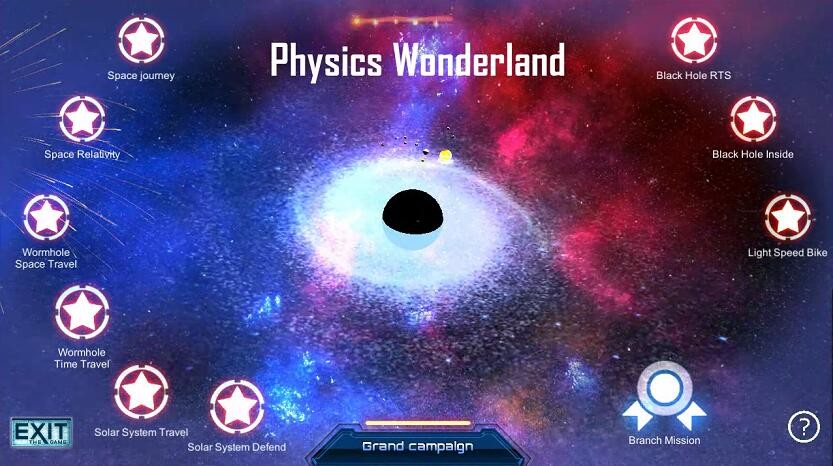
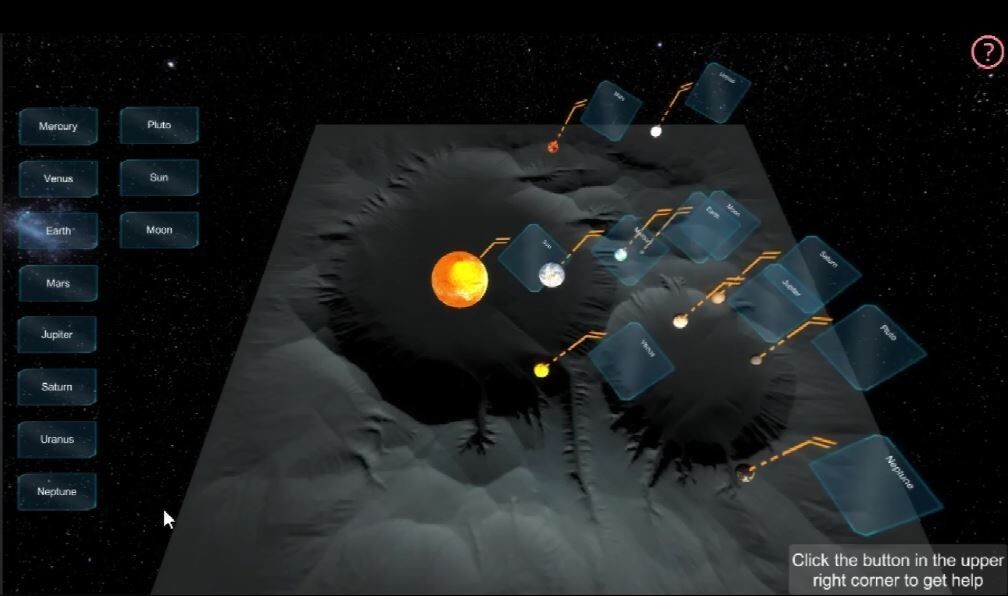
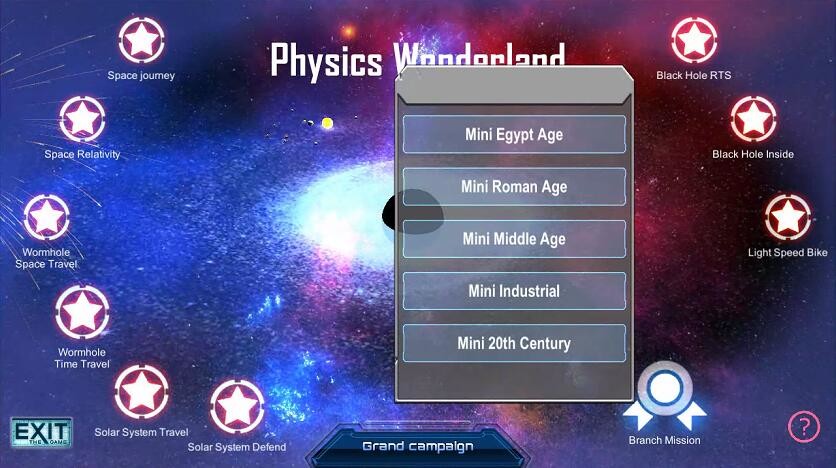
Its UI menu interface reflected its own scientific attributes: planets moving on the curvature of space-time caused by gravitational fields.
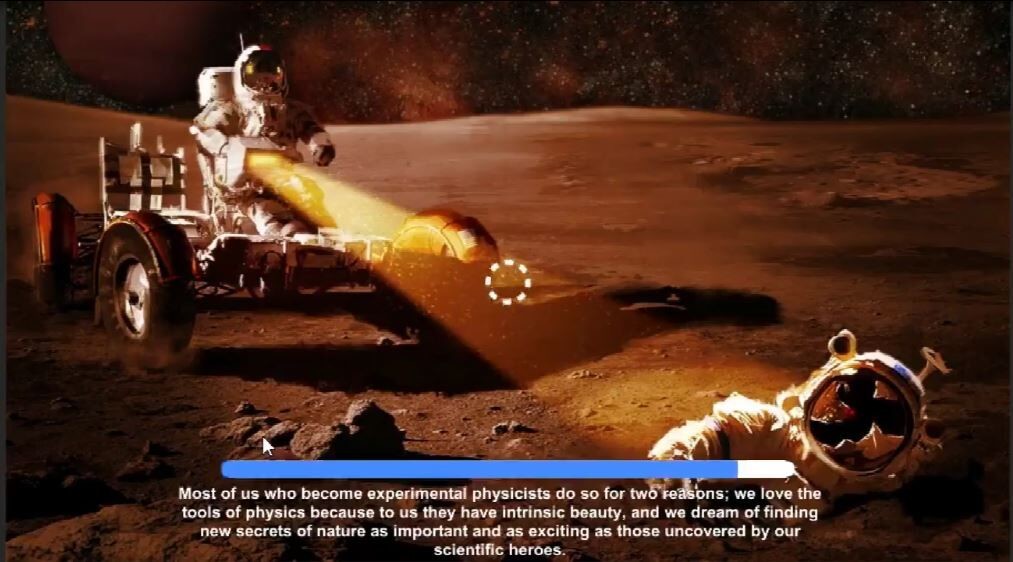
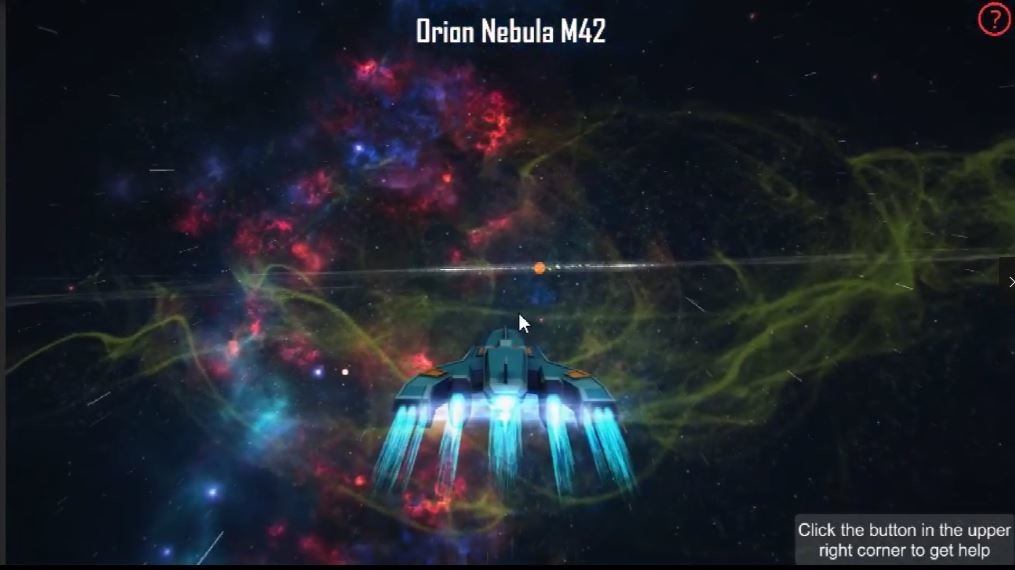
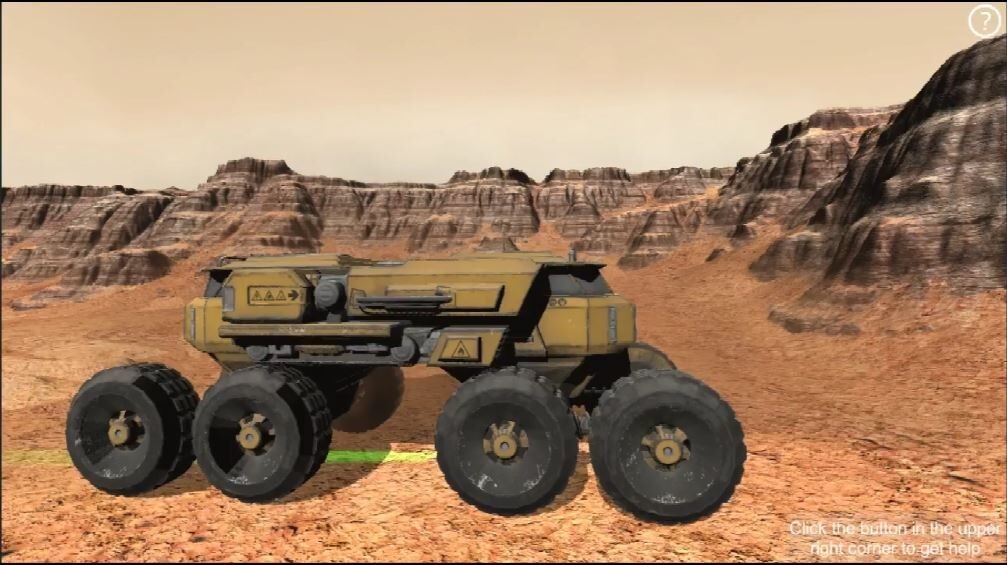
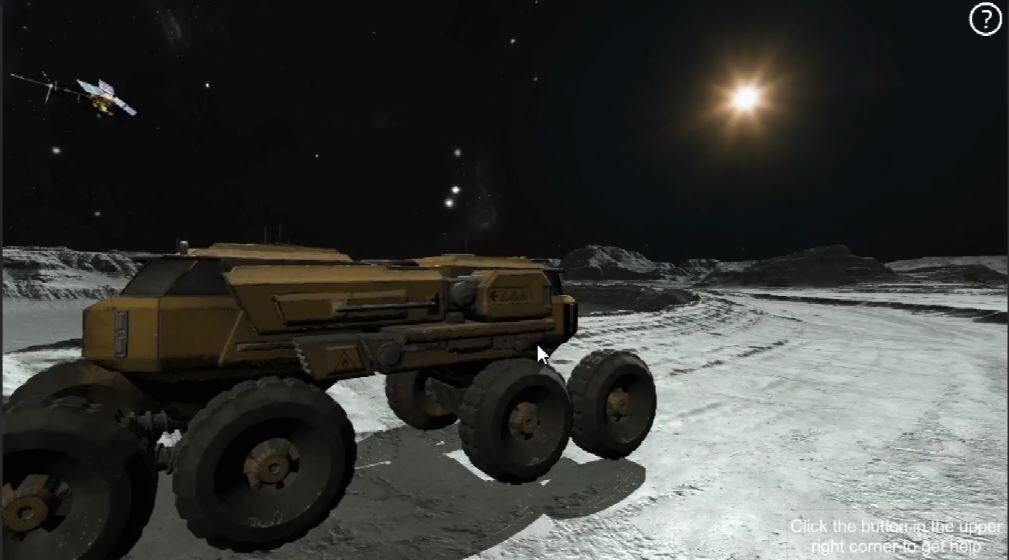
Then you can choose a star/planet, such as the Moon or the Mars, for a landing-on adventure on an expedition rover, or you can navigate the space from the perspective of a spacecraft.
But if you think this game is just such a space simulator, then you underestimate it. The aforementioned contents are only 5% of the game.
In fact, this game has very rich time and space travel and space exploration functions, and it has great fun:
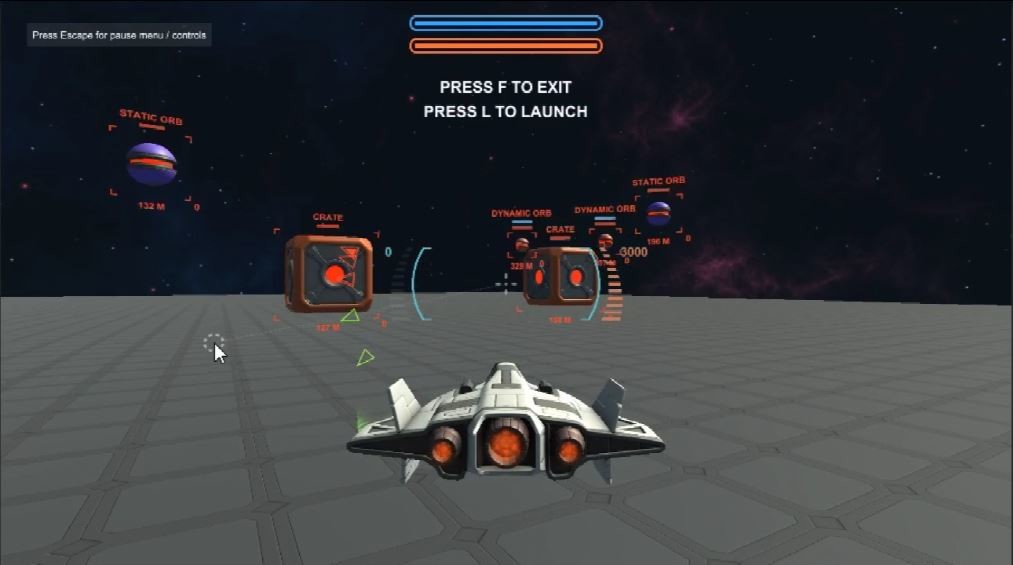
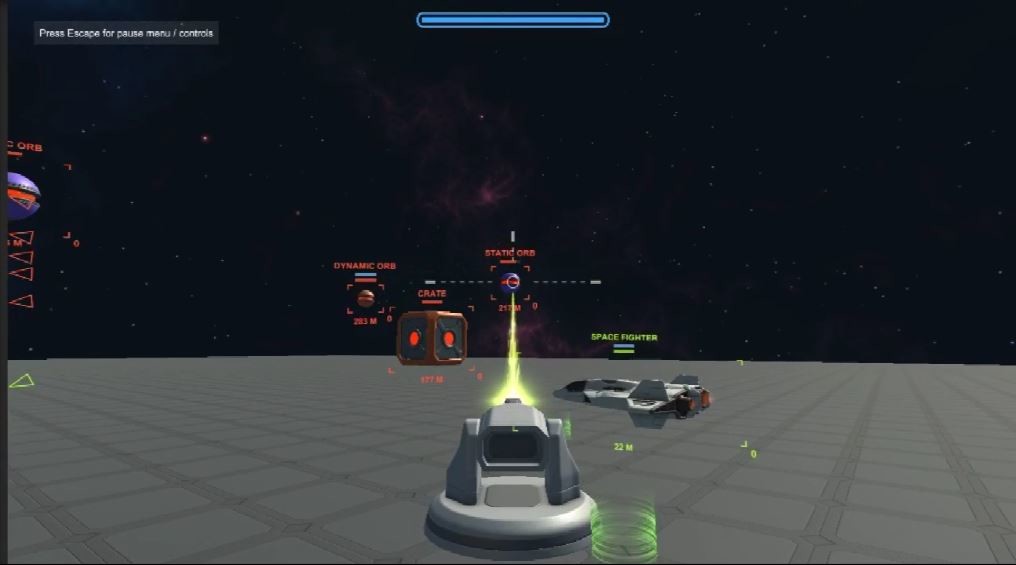
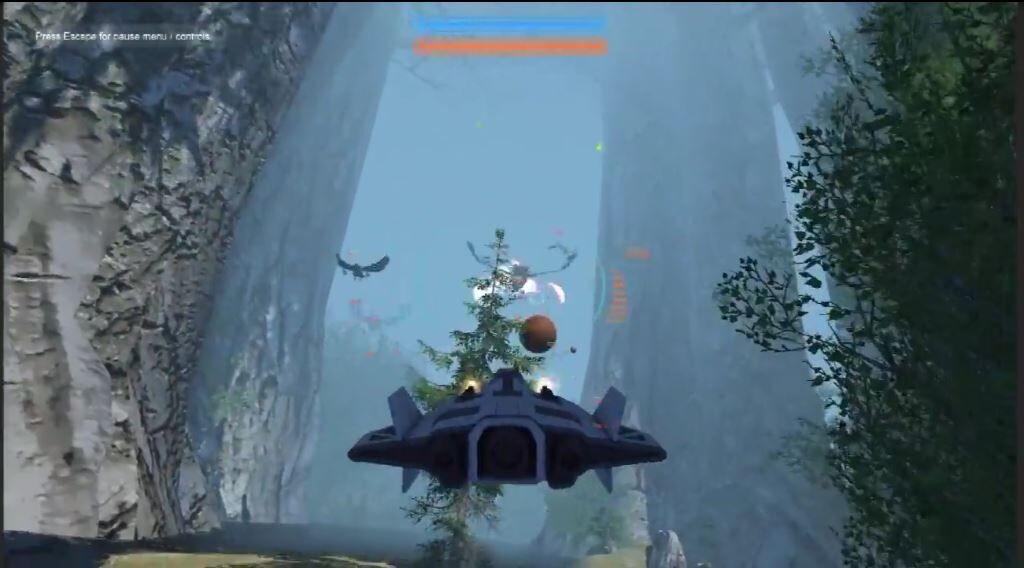
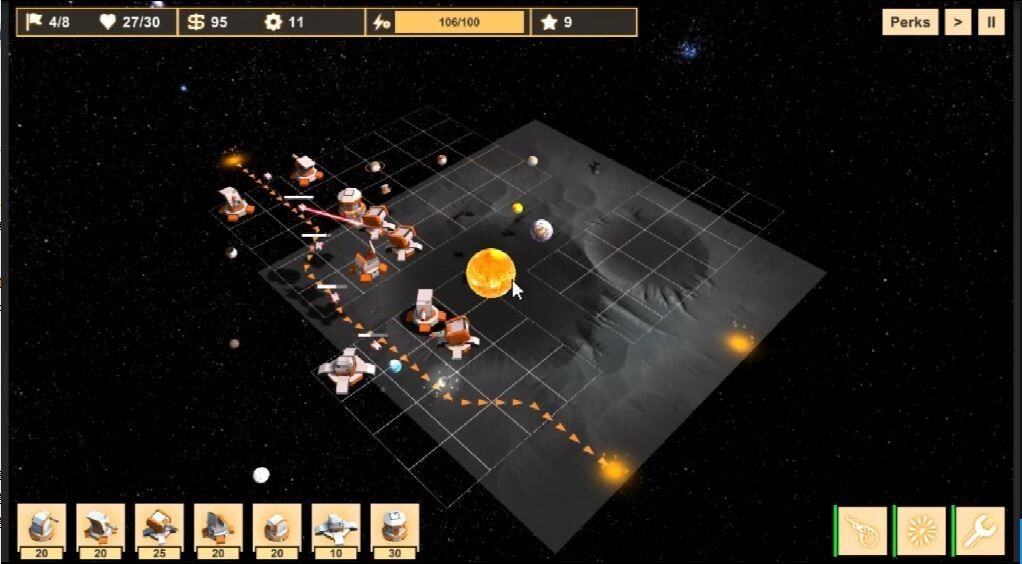
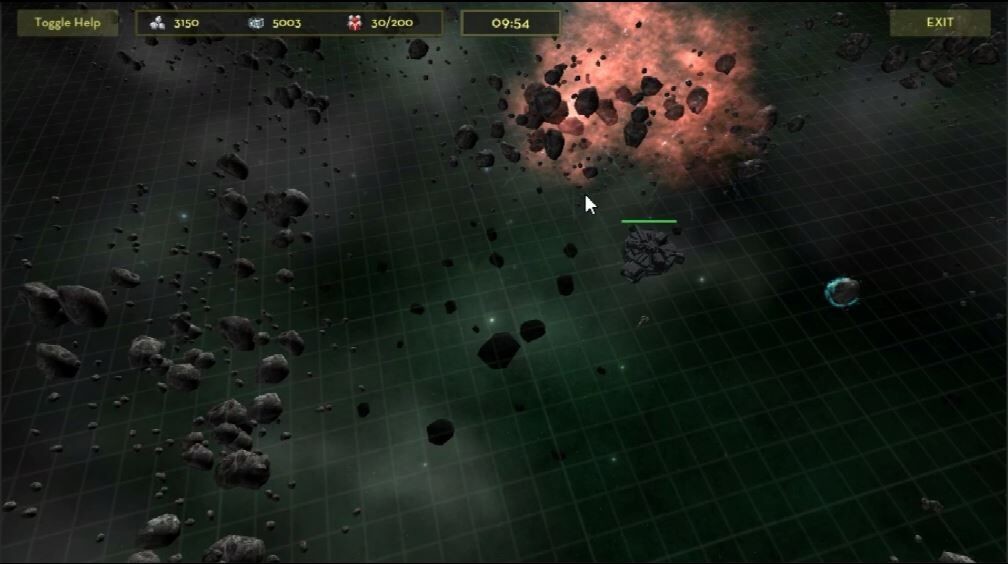
You can drive a spaceship, explore different kinds of extraterrestrial planets, and in a far away galaxy called Magda Nebula, you will fight the alien fleet and experience the space battle described in the 'Independence Day' movie.
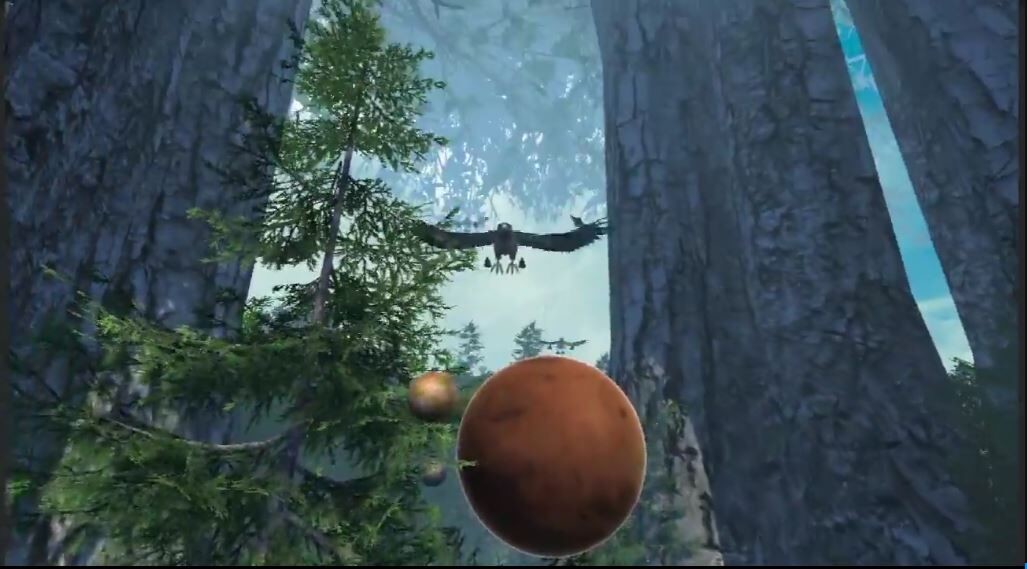
You can also build your own world, in the center of the earth, like many Minecraft-like voxel games, you will create a paradise of Verne fantasy.
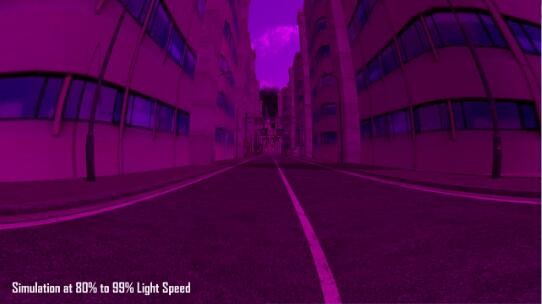
You can also decrypt the secrets of the Relativity, and observe the world seen by a traveler riding a photon by flying at 90% speed of light.
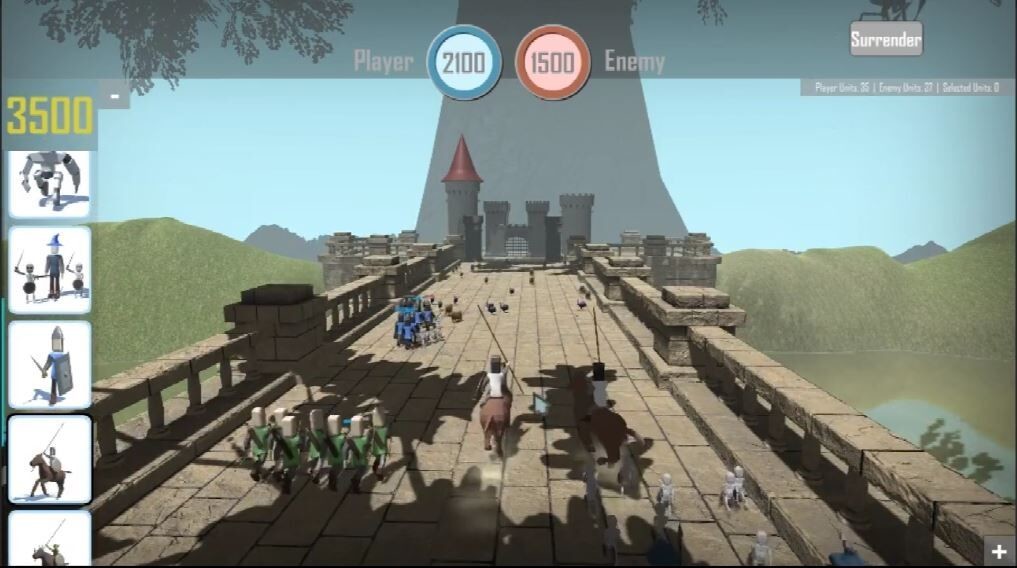
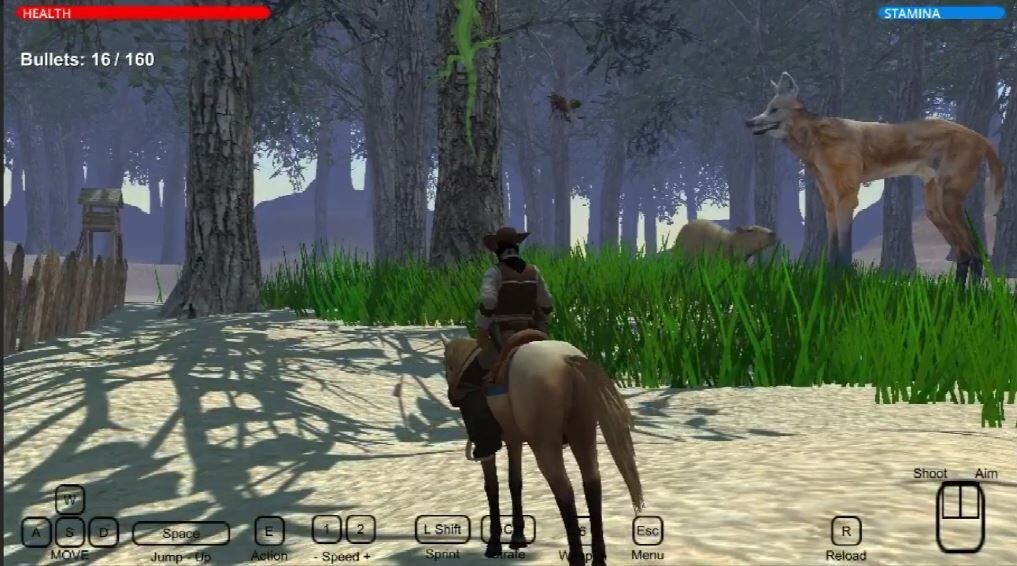
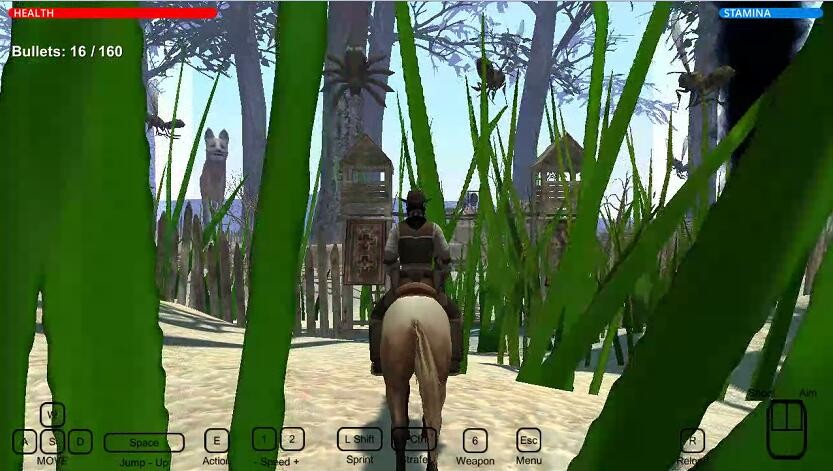
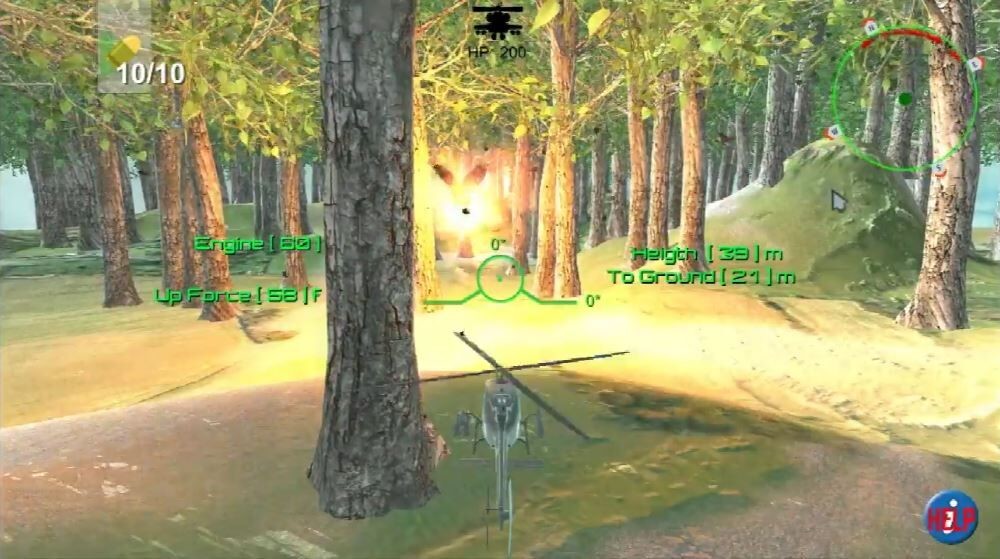
You can also travel through wormholes, and come to some lost historical periods: Ancient Rome, Ancient Egypt, Medieval Dark Ages, etc., and to defend their civilization with your fighting system.
It is not a prefect game yet, but this is our endeavor to introduce real physics into games.
Medien
Trailer und Screenshots von der Shop-Seite

Spiele wie Der fallende Mini-Planet: Physik-Abenteuer
Gemeinsame Tags, nicht dieselbe Reihe.







Der fallende Mini-Planet: Physik-Abenteuer: Preisverlauf und aktuelle Angebote
Der fallende Mini-Planet: Physik-Abenteuer für PC gibt es aktuell ab 8,19 € bei autorisierten Shops. Niedrigster Preis seit 6. Juli 2026: 4,09 €.
Der fallende Mini-Planet: Physik-Abenteuer-Editionen vergleichen
Der fallende Mini-Planet: Physik-Abenteuer gibt es in 2 Editionen: Evolution of a Mini World: Physics Wonderland, Evolution of a Mini World: Physics Wonderland. Für Besitzer des Hauptspiels kostet Evolution of a Mini World: Physics Wonderland allein zu 4,09 € um 4,10 € weniger als die gebündelte Edition.
Bewertungen, Spielzeit und Altersfreigabe von Der fallende Mini-Planet: Physik-Abenteuer
6 Personen haben Der fallende Mini-Planet: Physik-Abenteuer bewertet. 50% sind positiv. Steam nennt das 6 user reviews. Brazil stuft es als l ein.
Häufige Fragen
Beantwortet aus den eigenen Daten dieses Spiels. Wo ich nichts habe, sage ich nichts.
Wie schlägt sich der aktuelle Preis von Der fallende Mini-Planet: Physik-Abenteuer?
Wie unterscheiden sich die Editionen von Der fallende Mini-Planet: Physik-Abenteuer?
Welche Shops führen Der fallende Mini-Planet: Physik-Abenteuer?
Der fallende Mini-Planet: Physik-Abenteuer günstig kaufen: wo ist es am günstigsten?
Lohnt sich Der fallende Mini-Planet: Physik-Abenteuer?
Welche Altersfreigabe hat Der fallende Mini-Planet: Physik-Abenteuer?