El texto del producto se muestra en inglés porque no hay texto fuente disponible en este idioma.
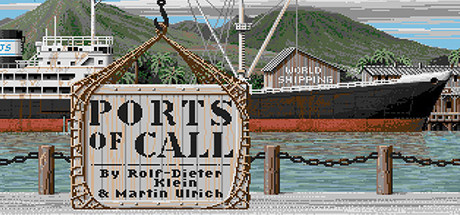
Ports of Call Classic

Por qué este veredicto
Memoria de precios
Datos de tiendas oficiales para esta región · ES
No hay suficientes datos registrados para comparar los precios.
- Precio oficial actual Datos no disponibles
- Precio habitual Datos no disponibles
- Mínimo registrado No registrado
- Comparación con las ofertas habituales No registrado
- Intervalos de oferta observados No hay suficientes inicios de oferta registrados para establecer un intervalo.
- Muestra de intervalos 0
- Periodo observado No registrado
- Confianza insuficiente
Ofertas
Precios de tiendas oficiales y comparaciones de keyshops identificadas
Informar de un problema
Historial de precios
Historial de precios aceptados y mínimos registrados
Todavía no hay historial de precios registrado.
Todavía no hay historial.
Todavía no se ha registrado el inicio de ninguna oferta.
Acerca de este juego
El juego, contado por quienes lo desarrollaron
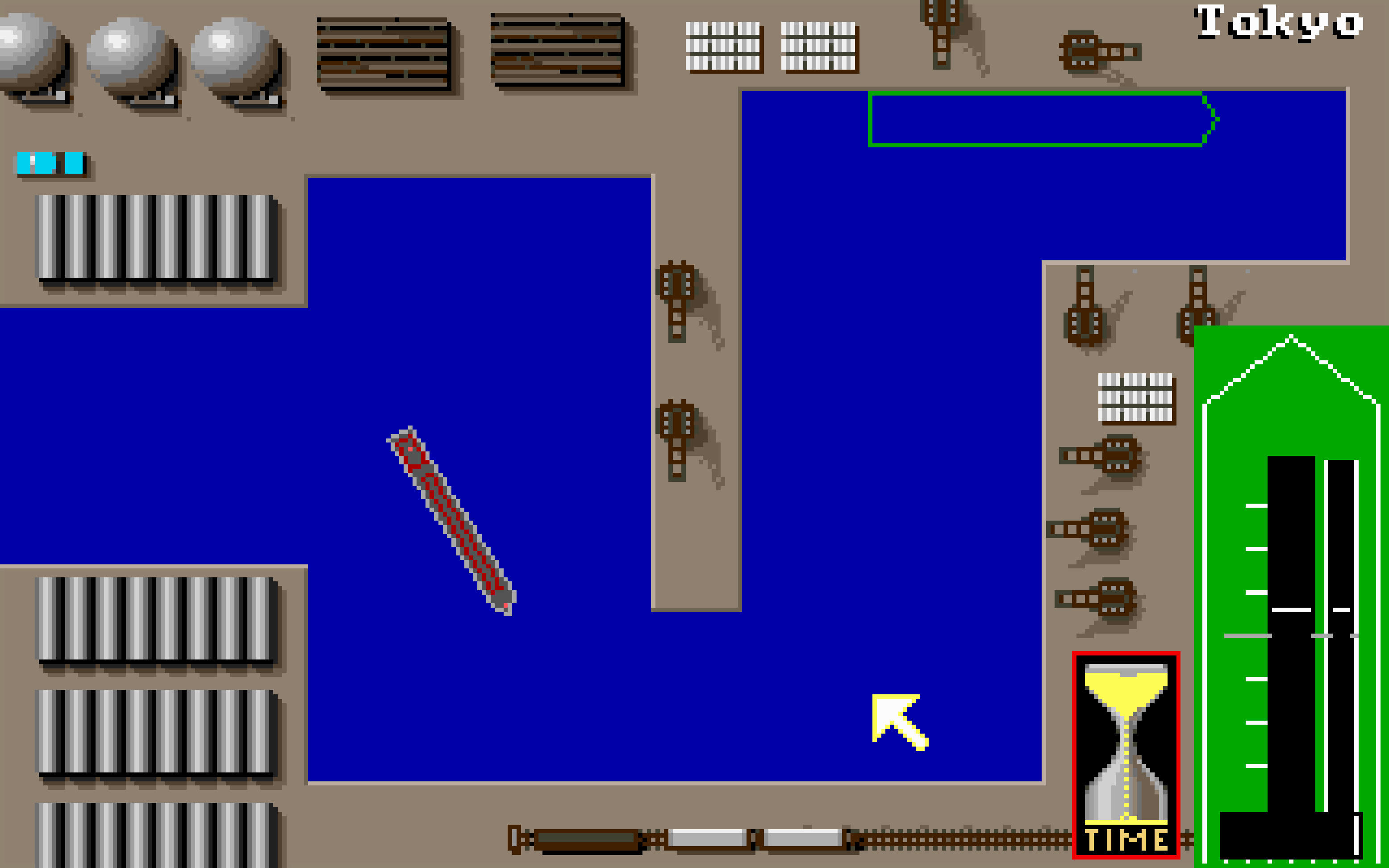
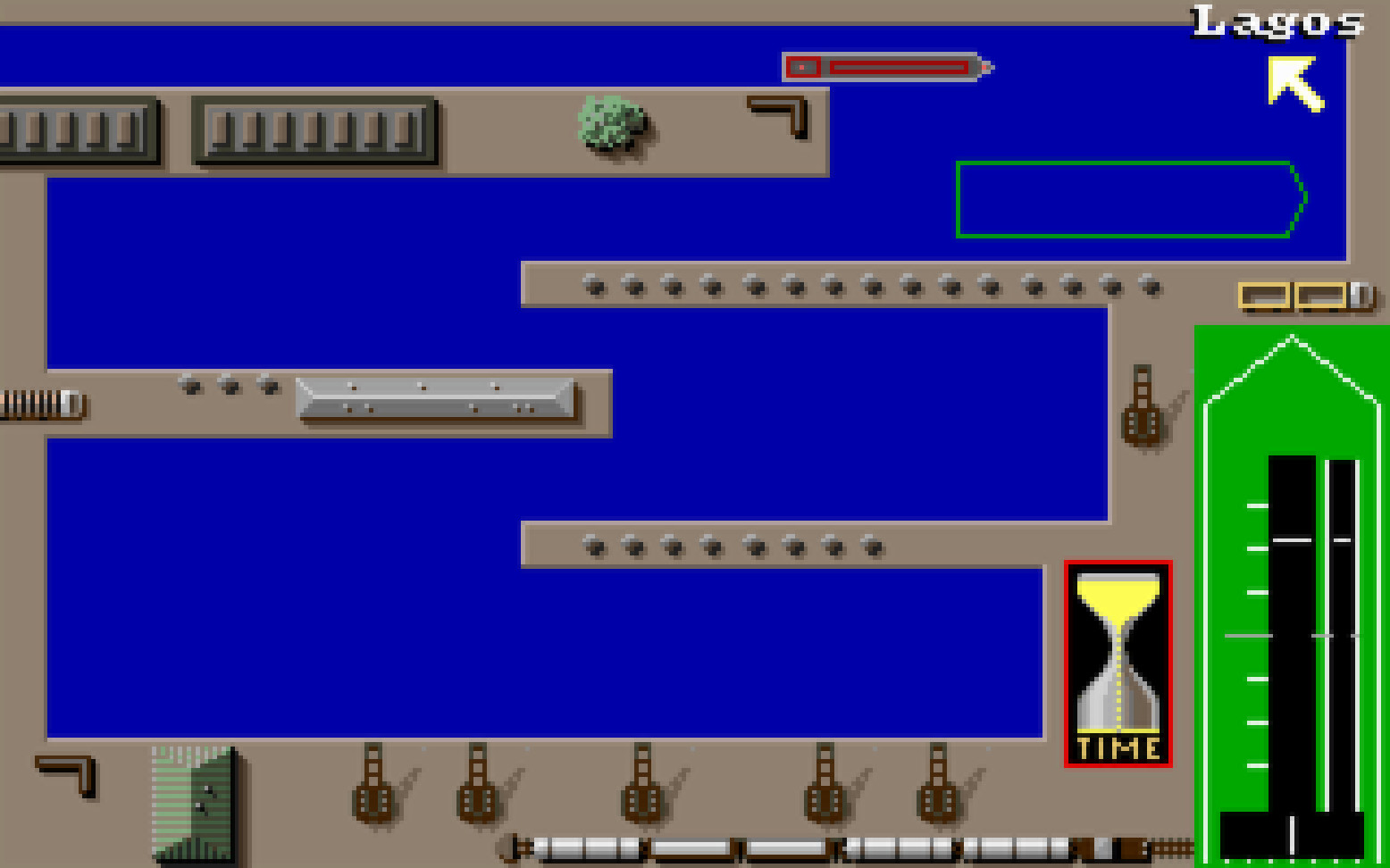
created by Rolf-Dieter Klein and Martin Ulrich The classic trade- and shippingsimulation Ports of Call. Create your own Shiptrading company.
Originally launched for the Amiga now available for PCs on Steam.
A Background on Tramp Shipping
The traffic of goods by sea is organized in accordance with international agreements and contracts between individual countries. About 80% of the goods (called "cargo volume") transported between two countries is handled by ships registered under the flags of the countries concerned. The remaining 20% are open to the free competition of ships under other flags. These ships, called "tramp" ships, are usually prepared to transport all kinds of goods. This aspect of the shipping business is the focus of Ports of Call.
Whether a tramp ship owner makes a profit depends upon: on the one hand, the laws, regulations and subsidies of his country, and on the other, the rules of supply and demand. If, for example, there has been a good coffee harvest, coffee prices will drop, and since there is a lot of coffee to be shipped, the freight charges will rise. Now, if a lot of owners start to compete for the business, the freight capacity will start to increase, with a consequent drop in freight rates. If the coffee harvest was bad, the freight rates will drop even though the coffee price has risen, because the shipping capacity is now in excess.
If the business is exceptionally poor, it may be necessary for the ship owner to temporarily lay his ships up. In this situation, the ships cannot be sold profitably because the ships' prices have dropped (supply and demand). Also it is not economically viable to operate the ships because the income nowhere covers the overhead fixed costs, such as maintenance and finance, still have to be earned. This is now the time to buy good, used ships at a low price. Apart from the economic aspects, life aboard a tramp ship can be pretty exciting and that's no "old sailor's yarn"!
The Object of the Game
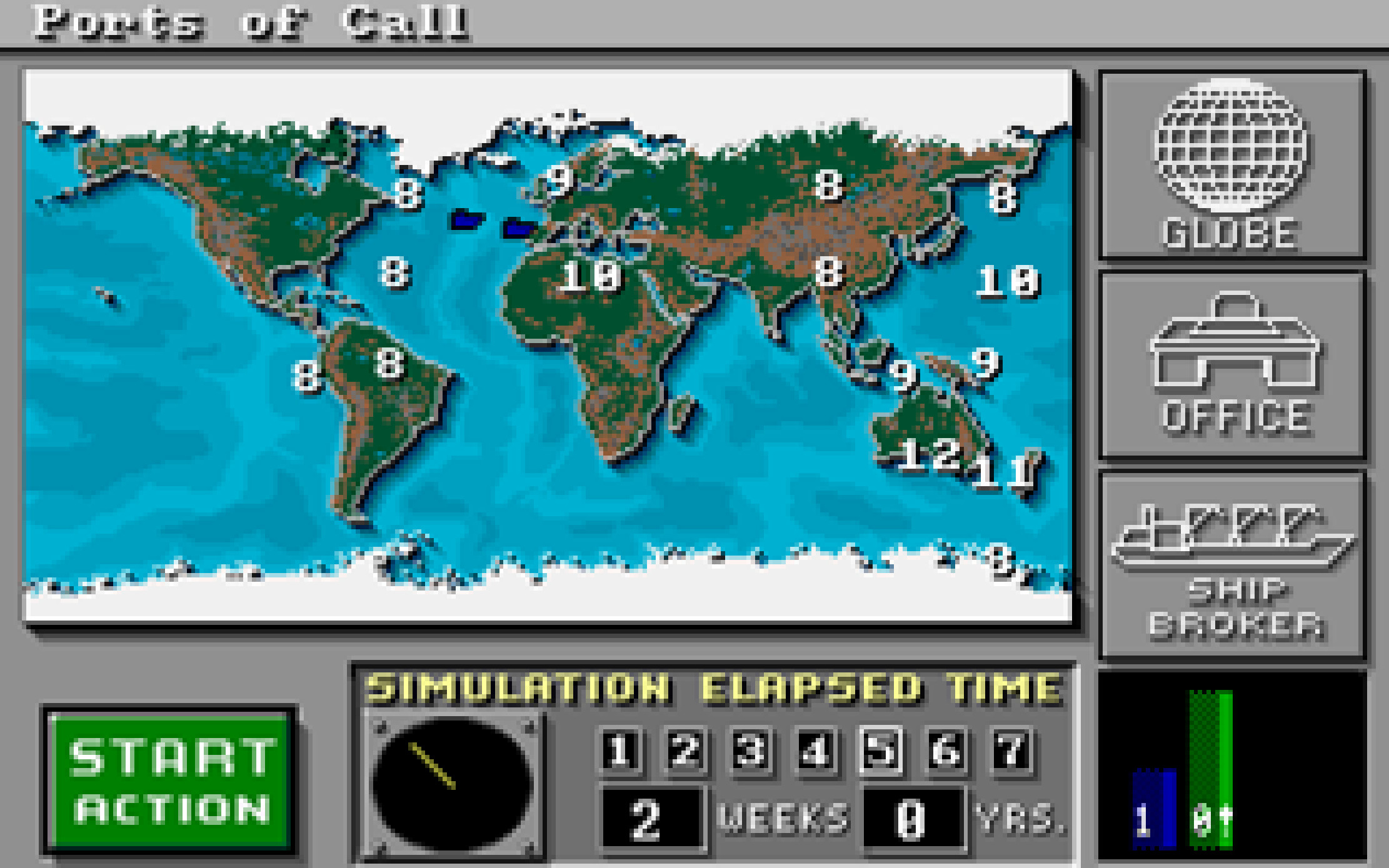
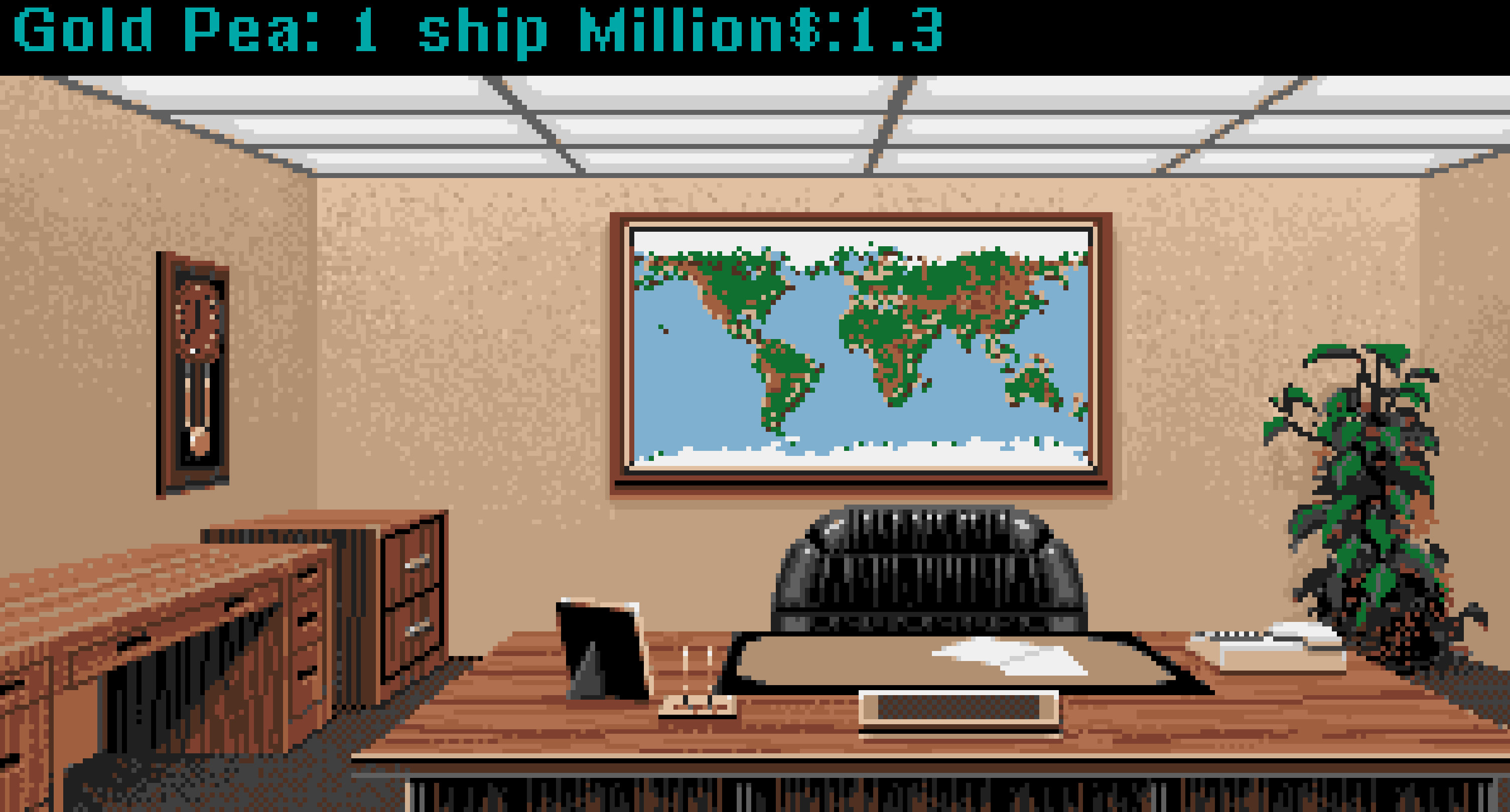
Each player founds his own shipping company, with a starting capital of $1 .. $4 million to buy ships (depends on the year of start and the playerlevel). Freight and ports of call can be chosen continuously from offers on the market. Then the captain chooses an economic travelling speed and casts off to encounter many adventures on the high seas.
After unloading his cargo, the captain is credited with the agreed payment. Then he may refuel, make necessary repairs, and so on. The next job is to find a new, lucrative cargo, buy further ships, and/or repay his mortgages; in other words, he must have a more productive company than his competitors.
The strategy of the game is flexible. A rogue will try to make a quick buck by using cheap ships and juggling the freight rates to force his competitors into bankruptcy. The careful player, in contrast, will build a solid financial foundation. The superior speed of his high-tech fleet will enable him to snap up the more lucrative contracts.
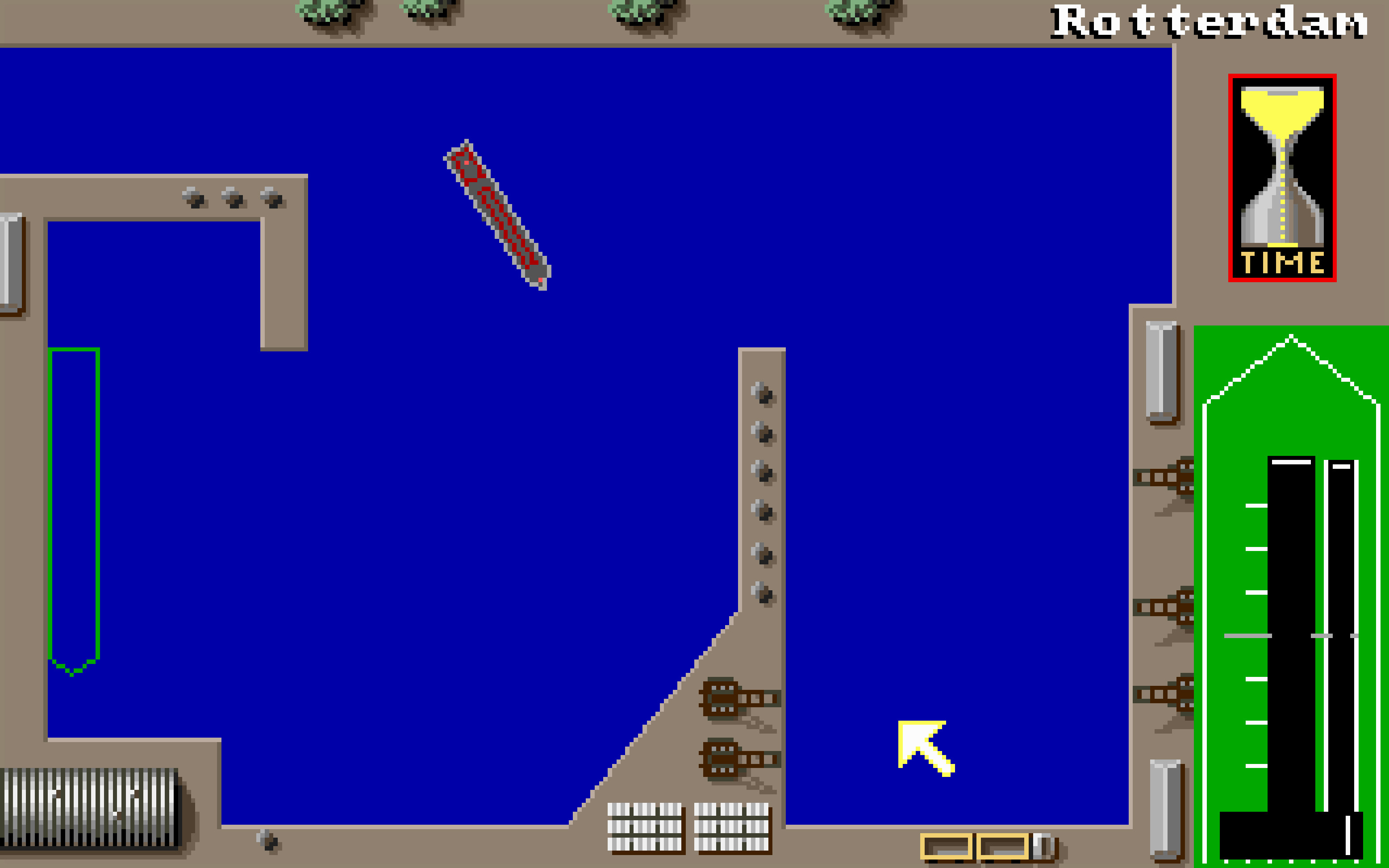
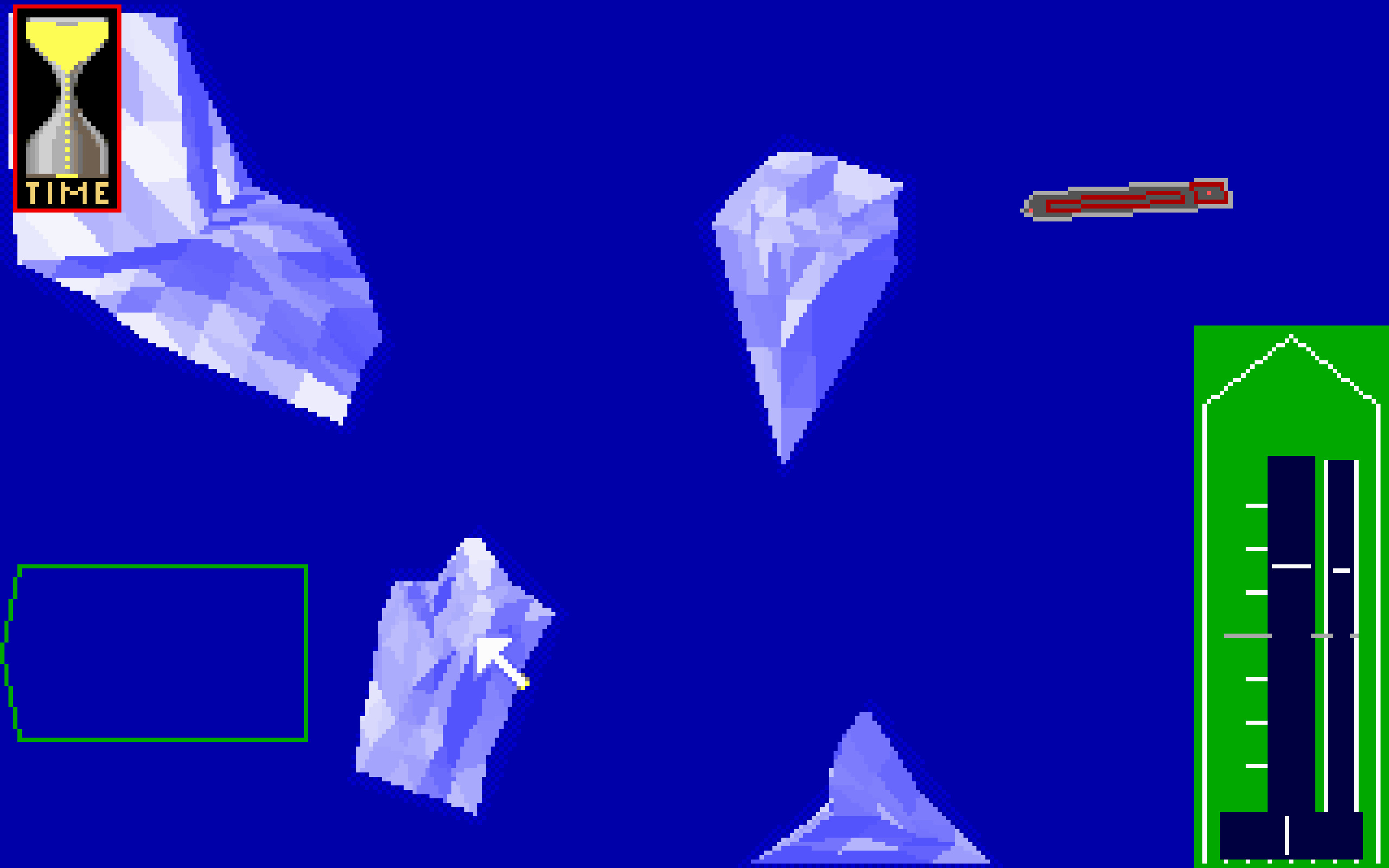
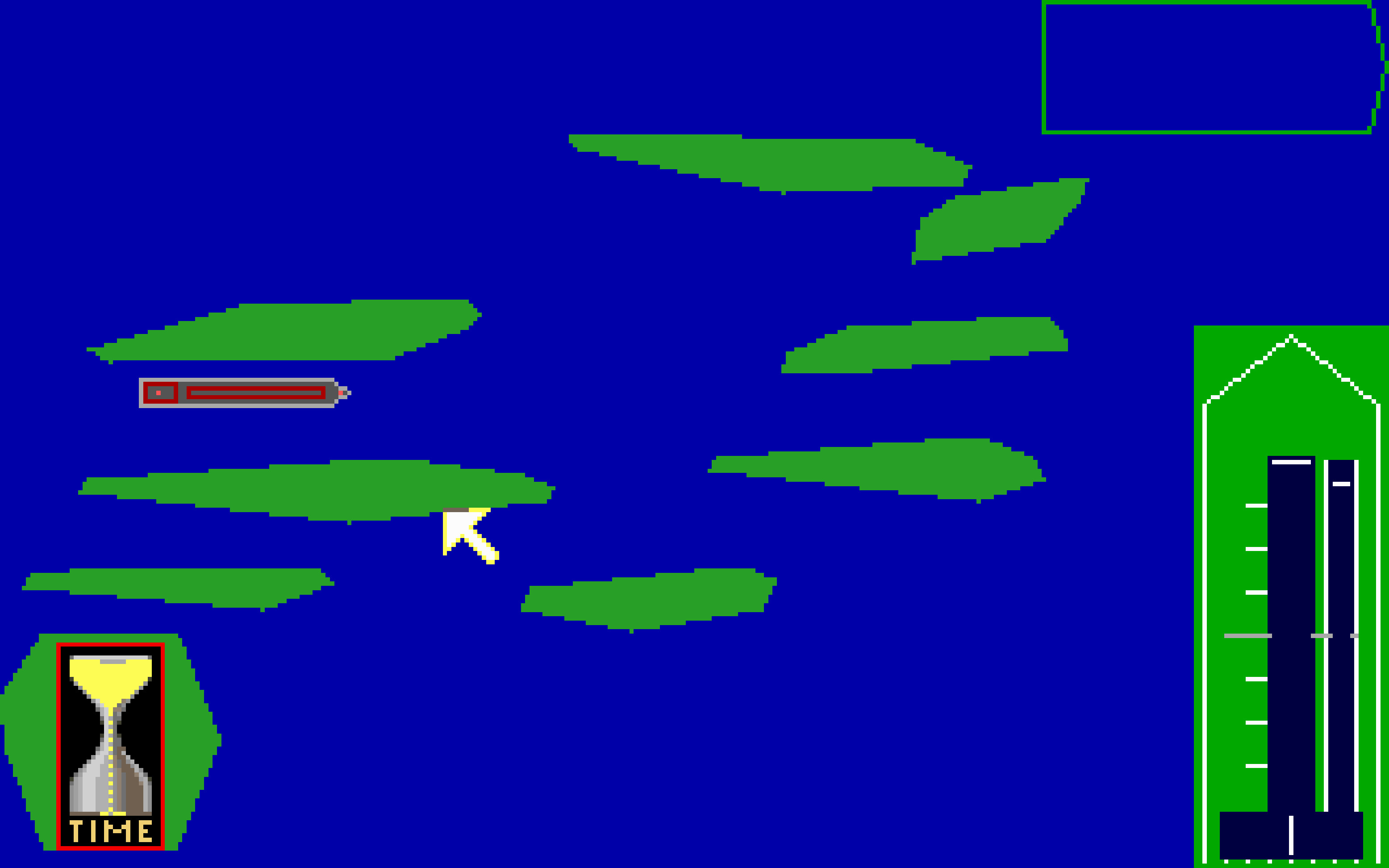
Any strategy is deemed to fail if you don't have a good captain to bring your ship across the world's stormy seas. The formulas for ship movement have been calculated so that ships respond to changes in speed and movements of the rudder as in the real world. It is recommended that the beginner does not start with ships that are too large. These are slow to respond and, as such, require a more experienced captain.
The ship's movement at sea is accelerated. The captain, however, must select the correct speed. Fuel consumption depends on the time at sea and the weather conditions. Determination of the economic travelling speed depends on fuel prices and freight rates. Hence, you can see that a captain's decisions also have an influence on the success of the company.
The credit rating of an enterprise is very dependent on its social status. The more ports served by a line, the higher the status. And an owner who is operating modern, expensive ships has a naturally better standing than the owner of a rusty, floating wreck. The captain's conduct also affects a company's credit.
A player's chances of success improve the more he knows about international shipping. All data for the game originated from actual developments in the maritime world: the fluctuation of freight rates, refuelling costs, port charges, and ship operating costs. The ship operating costs include amounts payable for tax, management, crew expenses, safety precautions, and other costs these vary significantly from country to country. These general costs are calculated for each individual ship and are reduced in accordance with the subsidies, tax reductions, etc., that are valid in the country of registration. The accounts are then automatically debited periodically, without on screen display to the owner.
Ship prices are the same for all ship owners. However, in reality, ship building is subsidized differently in each country; therefore, a compensatory figure is included in the basic costs.
In summary, Ports of Call has been developed with this motto in mind: "Software with Hard Facts."
Contenido
Tráileres y capturas de la página de la tienda

Juegos como Ports of Call Classic
Etiquetas en común, no la misma serie.









Ports of Call Classic: historial de precios y ofertas actuales
Ports of Call Classic para PC se vende actualmente desde 4,99 € en tiendas autorizadas.
Reseñas, duración y clasificación de Ports of Call Classic
85 personas han valorado Ports of Call Classic. 87% son positivas. Steam lo llama Very Positive. Brazil lo clasifica como 6+.
Preguntas frecuentes
Respondido con los propios datos de este juego. Donde no tengo nada, no digo nada.
¿Qué tiendas tienen Ports of Call Classic?
¿Dónde comprar Ports of Call Classic barato?
¿Merece la pena Ports of Call Classic?
¿Qué clasificación por edad tiene Ports of Call Classic?