El texto del producto se muestra en inglés porque no hay texto fuente disponible en este idioma.

VR Time Machine Travelling in ancient civilizations: Mayan Kingdom, Inca Empire, Indians, and Aztecs before conquest A.D.1000

El precio actual está cerca del precio completo. Las ofertas de temporada ya lo han dejado más barato.
Por qué este veredicto
Memoria de precios
Datos de tiendas oficiales para esta región · ES
- Precio oficial actual 8,19 €
- Precio habitual 8,19 €
- Mínimo registrado 2,70 €
- Comparación con las ofertas habituales No registrado
- Intervalos de oferta observados de 10,4 a 10,4 días · mediana de 10,4 días
- Muestra de intervalos 1
- Periodo observado del 6 jul 2026 al 16 jul 2026 · 10,4 días
- Confianza baja
Ofertas
Precios de tiendas oficiales y comparaciones de keyshops identificadas
Informar de un problema
Historial de precios
Historial de precios aceptados y mínimos registrados
Paquetes y lotes (4)
Paquetes de varios productos que incluyen este juego
- VR Fairy Tale and Wonderlands Desde 11,87 €
- VR Fitness, Astronomy, and History Classic Pack Desde 164,58 €
- VR Historical Journey to the Past Desde 120,52 €
- VR TRAVELLING IN HISTORY,ASTRONOMY AND GEOGRAPHY Desde 170,33 €
Acerca de este juego
El juego, contado por quienes lo desarrollaron
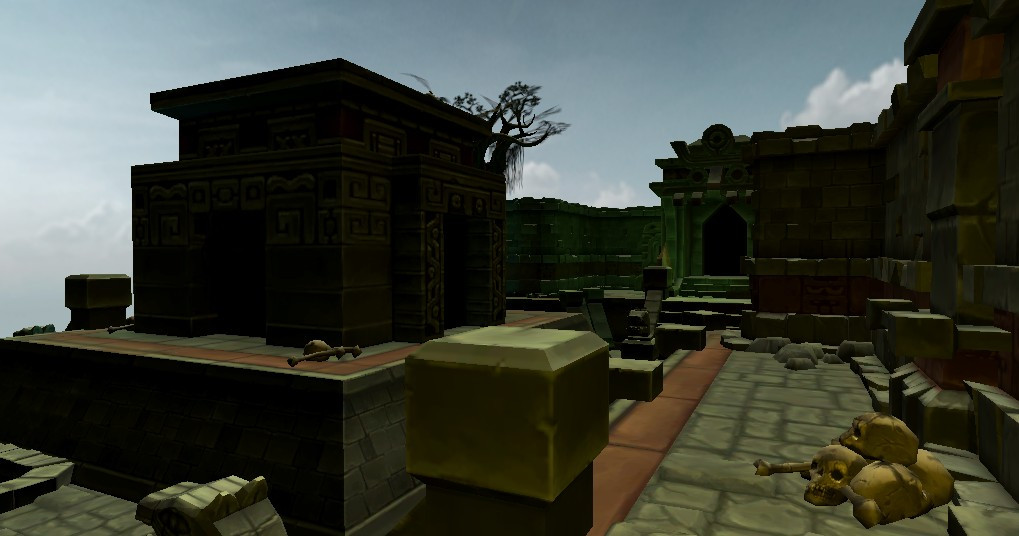
You can freely shuttle through the scenes established in the game, there is no crowded people, only you are alone, you can slow down your steps and carefully explore the ancient Mayan architectural style
Of the Indians in the entire American continent, only the Maya created words. However, the Mayan civilization is a very mysterious and puzzling civilization. Even to this day, some people still believe that Maya civilization was left by aliens.
The Mayan civilization, the Inca Empire and the Aztec Empire are listed as the three major civilizations in the Americas (the Aztec Empire and the Mayan Civilization are located in Central America; the Inca Empire is located in the Andes of South America).
1. Maya civilization is a modern jungle civilization distributed in the southeast of Mexico, Guatemala, Honduras, El Salvador and Belize. Although in the Neolithic Age, he has achieved extremely high achievements in astronomy, mathematics, agriculture, art and writing.
According to the Mesoamerican chronicles, Mayan history is divided into pre-classical, classical and post-classical periods. The pre-classical period (1500 BC-300 AD) is also called the formation period. The invention of calendars and characters, the establishment of monuments, and the construction of buildings are all in this period; the classical period is the heyday (about 4th to 9th century). During this period, the use of characters, the establishment of monuments, the construction of buildings, and the performance of art all reached their peak; in the post-classical period (approximately 9th to 16th centuries), during this period, Chichen Itza and Uxmal emerged in the north. When city-states rise, culture gradually declines (weaken).
Maya has never had a unified and powerful empire like China, Egypt and other civilizations. The Mayan region was divided into hundreds of city-states in its heyday. However, the Mayan states belonged to the same cultural circle in terms of language, writing, religious beliefs, and customs. In the 16th century, the Aztec Empire, the inheritor of Mayan culture, was destroyed by the Spanish Empire.
The Maya civilization is an outstanding representative of the ancient Indian civilization in Latin America and the ancient American Indian civilization, named after the Indian Maya. Formed around 1500 BC, the Maya created a glorious Maya civilization.
2. The Inca Empire (Quchua: Tawantin Suyu or Tahuantinsuyo) was an ancient empire located in the Americas from the 11th to the 16th century. The political, military and cultural center of the empire was located in Cusco, Peru today. The central area of the Inca Empire is located in the Andes Mountains of South America, and its territory is about Peru, Ecuador, Colombia, Bolivia, Chile, and Argentina in South America today. The Incas, the main nation, is also one of the three major civilizations in the Americas-the creator of the Inca civilization.
The ancestors of the Incas lived in the highlands of Peru. Later they migrated to Cusco and established the Kingdom of Cusco, which developed into the Inca Empire in 1438. From 1438 to 1533, the Inca Empire used various methods ranging from conquest by force to peaceful assimilation, making the territory of the Inca Empire almost cover the entire western South America. The power of the empire reached its peak during the reign of Monarch Vaina Kapac.
Inca was originally a small country located in Cusco. The main territorial expansion did not begin until the 15th century. Tupac Inca Yupanki expanded the territory of the Inca Empire to Pasto in Colombia, and Tucuman and Chile in Argentina. By the Maure River. However, his heirs caused many civil wars due to the struggle for the throne, which caused political unrest in the Inca Empire, and provided the later Spanish colonists with the opportunity to sow discord.
3. The Aztec civilization is a unique ancient civilization in world history. It established an empire in central Mexico in the 15th century. Possess a more accurate calendar system; in agriculture, irrigation technology is developed; in economy, “currency” in the primitive stage has emerged; religious mythology has distinctive characteristics and has a profound impact on later generations; Aztec construction technology is also Very exquisite, able to build very majestic buildings, the ancient city of Tenochtitlan is the best proof; in addition, the Aztec society is heavily divided and has a complete legal system.
In the 15th century, Tenochtitlan and the other two city-states Deskoco and Tracopan formed a three-nation alliance, and the Aztec Empire was established.
The Aztec Empire was the largest empire in Central America during the pre-Columbian period, and it also formed a unique Aztec civilization. The prosperous economic power has enabled the Aztec civilization to develop in all aspects.
The Aztec Tri-Nation Alliance was established after the three city-states won the Aztecs’ old master, Tepanic. Initially, the strength of the three city-states was equal, but Tenochtitlan gradually became the leader of the three parties. In 1520, when the Spaniards came to the Aztec Empire, Descoco and Tracopan had become vassals of Tenochtitlan.
The main nation of the Aztec Empire is the Aztecs, a very militant nation. After a series of expansion wars, the Aztec Empire became the most powerful country in Central America during the pre-Columbian period. In its heyday, the Aztec Empire not only completely covered the central part of present-day Mexico, but also occupied some "remote countries" for Americans whose transportation technology was extremely backward.
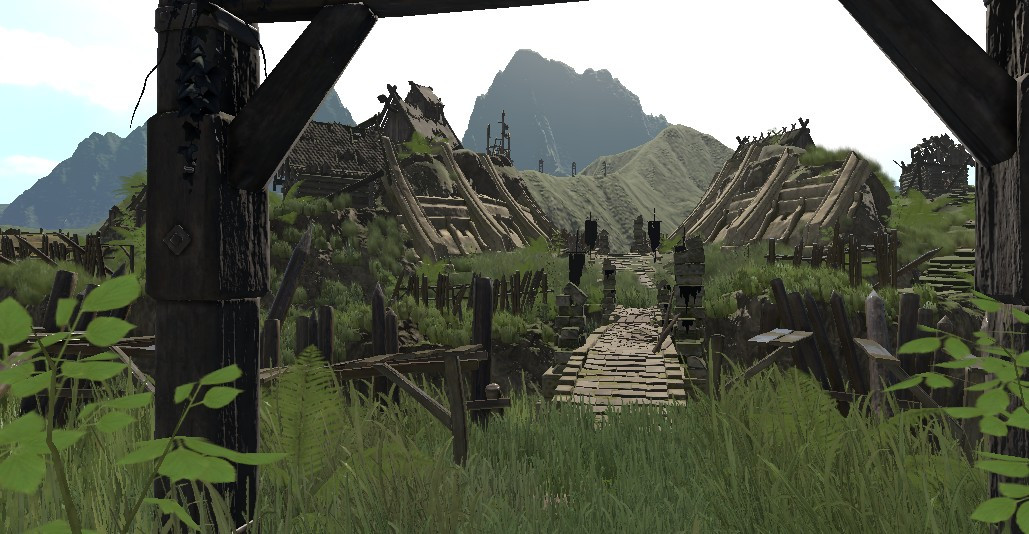
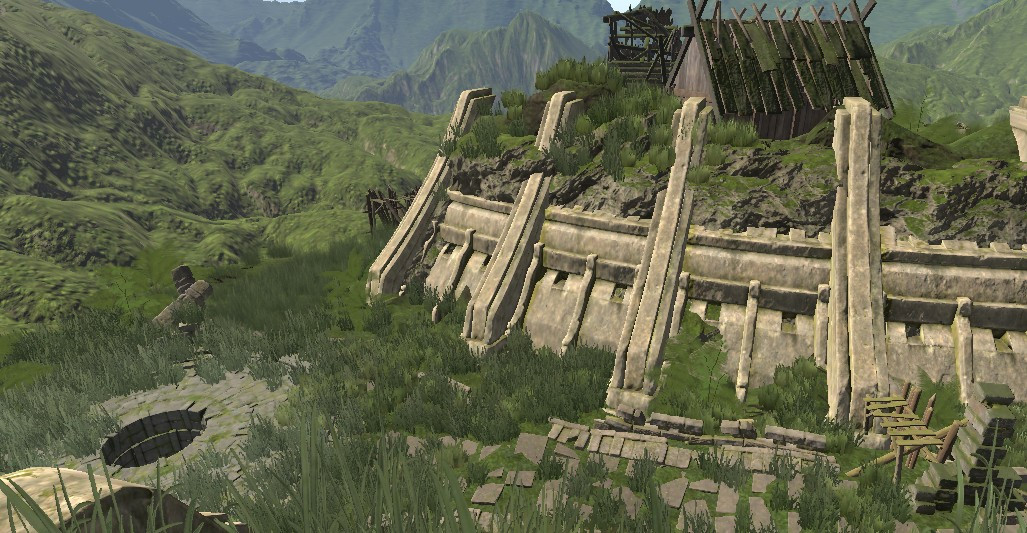
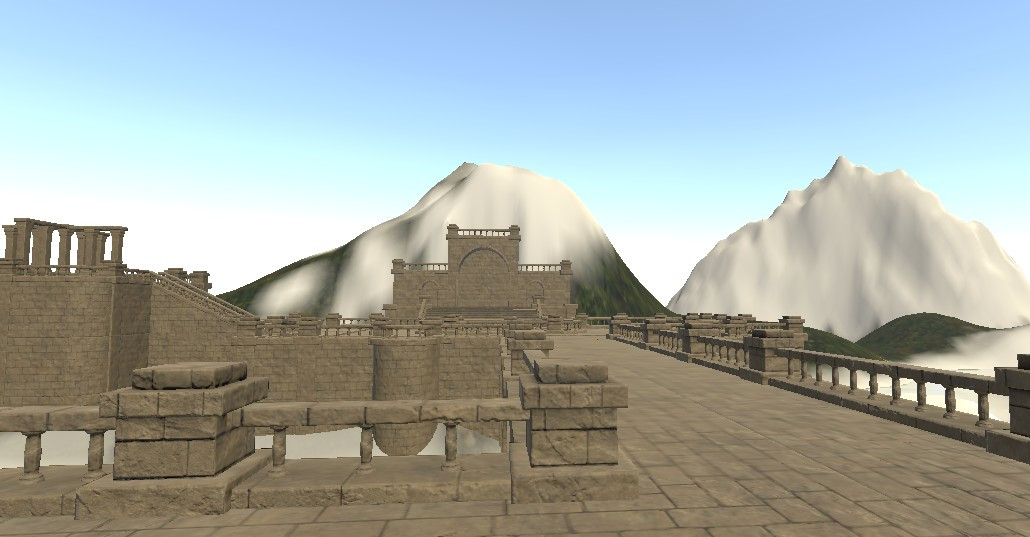
In the game, you are the person in time and space. There are game scenes such as temples, villages, and nature in the game. You can freely shuttle through the scenes established in the game. There are no crowds, and you are the only one. You can slow down your steps and carefully explore the ancient Mayan architecture. At the same time, we also added other interesting game items for free for you to use, such as snake eating, hunting, etc.
In addition, we have also set up a mini-game link to explore treasures in the game.
Contenido
Tráileres y capturas de la página de la tienda
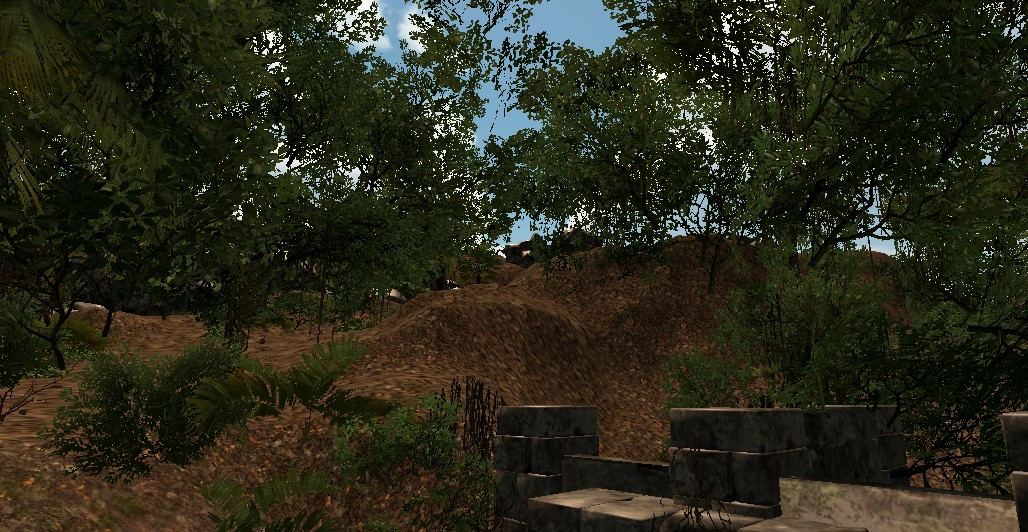
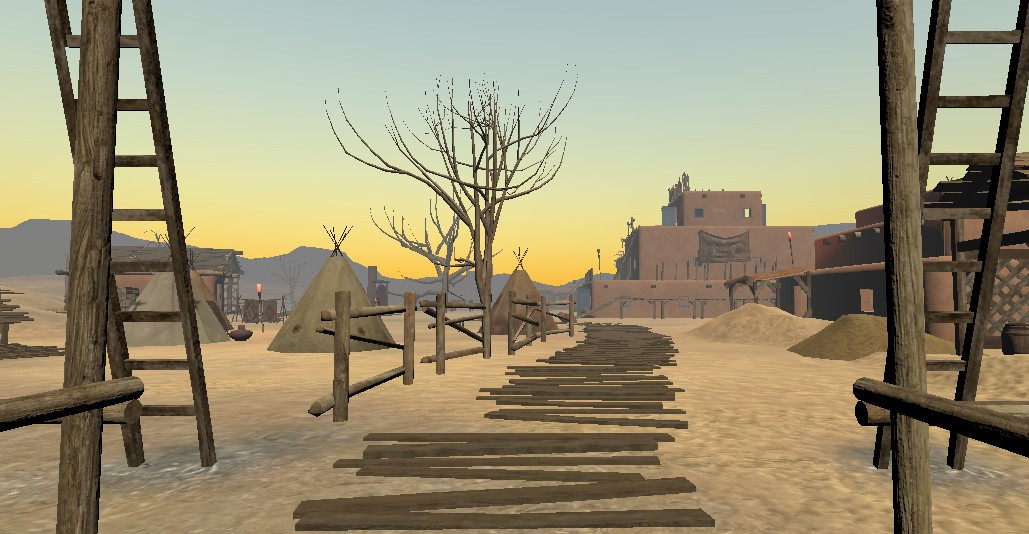
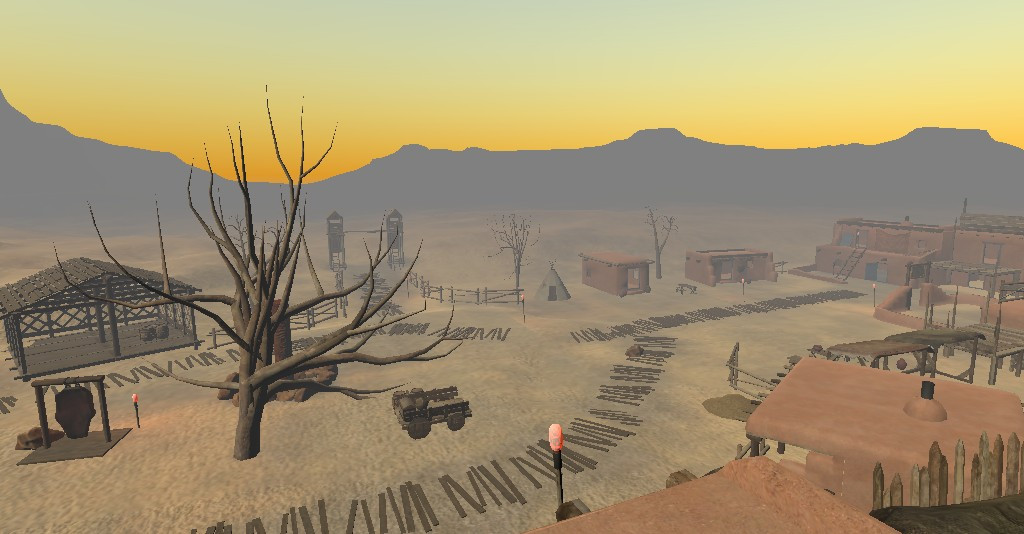
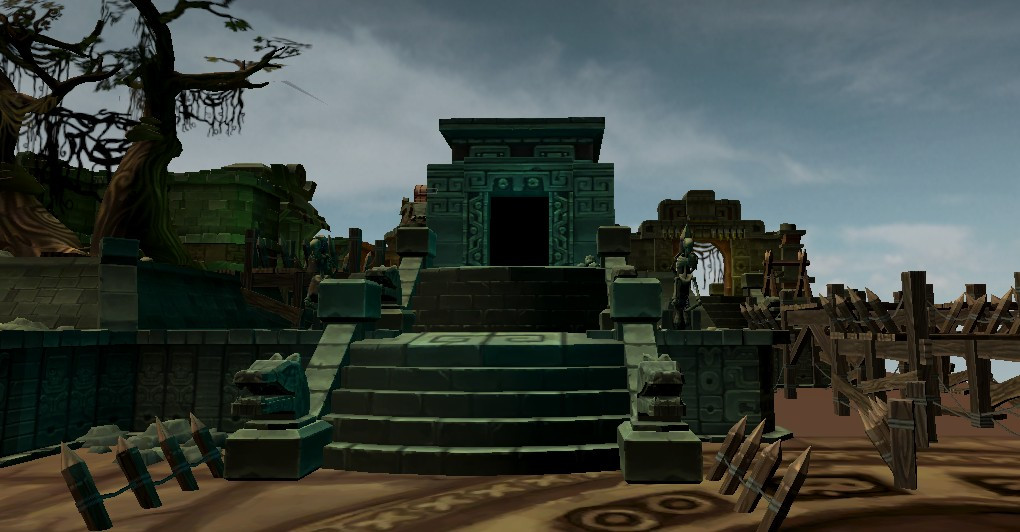
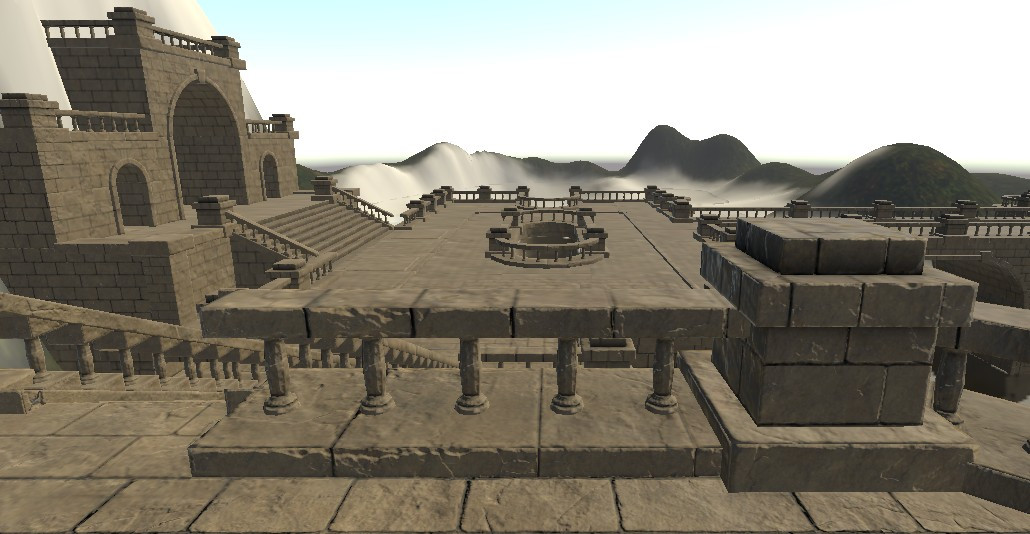
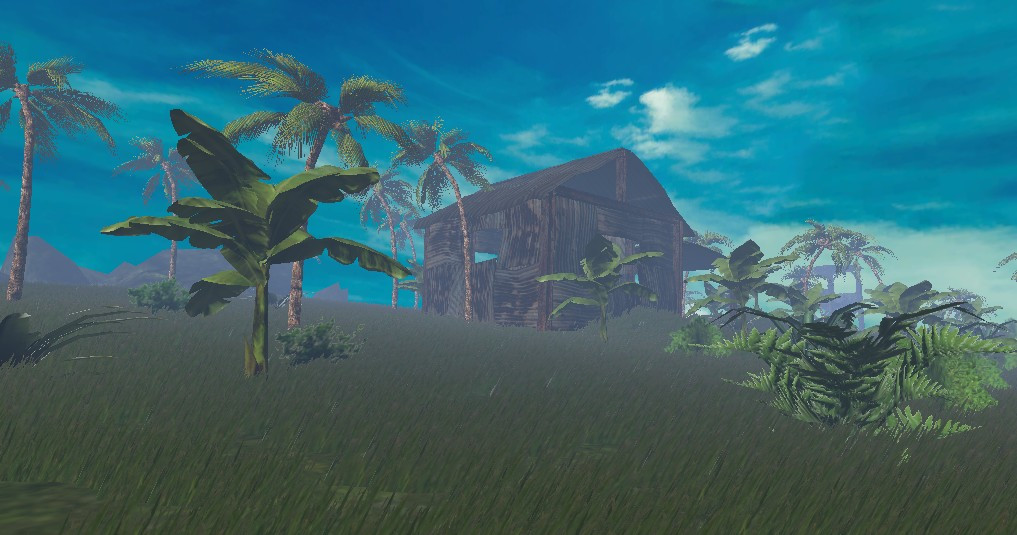
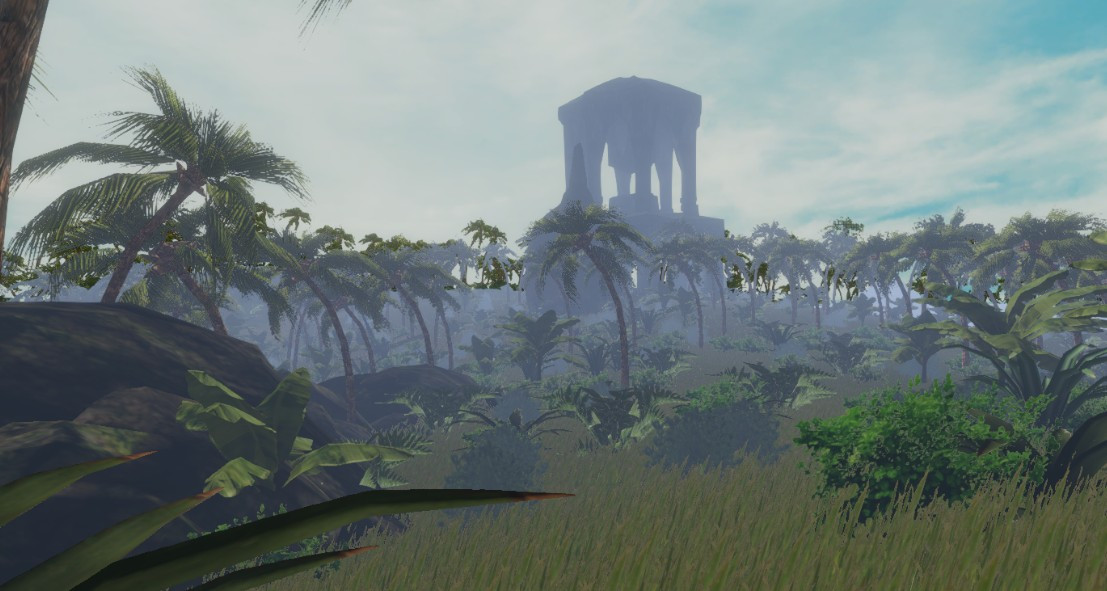
Juegos como VR Time Machine Travelling in ancient civilizations: Mayan Kingdom, Inca Empire, Indians, and Aztecs before conquest A.D.1000
Etiquetas en común, no la misma serie.











VR Time Machine Travelling in ancient civilizations: Mayan Kingdom, Inca Empire, Indians, and Aztecs before conquest A.D.1000: historial de precios y ofertas actuales
VR Time Machine Travelling in ancient civilizations: Mayan Kingdom, Inca Empire, Indians, and Aztecs before conquest A.D.1000 para PC se vende actualmente desde 8,19 € en tiendas autorizadas. Precio más bajo desde el 6 jul 2026: 2,70 €.
Reseñas, duración y clasificación de VR Time Machine Travelling in ancient civilizations: Mayan Kingdom, Inca Empire, Indians, and Aztecs before conquest A.D.1000
1 personas han valorado VR Time Machine Travelling in ancient civilizations: Mayan Kingdom, Inca Empire, Indians, and Aztecs before conquest A.D.1000. 100% son positivas. Steam lo llama 1 user reviews. Brazil lo clasifica como l.
Preguntas frecuentes
Respondido con los propios datos de este juego. Donde no tengo nada, no digo nada.
¿Qué tal está el precio actual de VR Time Machine Travelling in ancient civilizations: Mayan Kingdom, Inca Empire, Indians, and Aztecs before conquest A.D.1000?
¿Qué tiendas tienen VR Time Machine Travelling in ancient civilizations: Mayan Kingdom, Inca Empire, Indians, and Aztecs before conquest A.D.1000?
¿Dónde comprar VR Time Machine Travelling in ancient civilizations: Mayan Kingdom, Inca Empire, Indians, and Aztecs before conquest A.D.1000 barato?
¿Merece la pena VR Time Machine Travelling in ancient civilizations: Mayan Kingdom, Inca Empire, Indians, and Aztecs before conquest A.D.1000?
¿Qué clasificación por edad tiene VR Time Machine Travelling in ancient civilizations: Mayan Kingdom, Inca Empire, Indians, and Aztecs before conquest A.D.1000?