PC
Region US

Casual · IDIA Lab
Apollo 11 VR
Windows
Mixed · 64% of 22
Price verdict · US updated 30 days ago
Why this verdict
Player reviews 64% positive of 22
Quality score 64/100 · small sample
Offers
Official store prices and labeled keyshop comparisons
No offers tracked yet for this product.
Report a wrong price
About this game
What this game is, in the developer's words
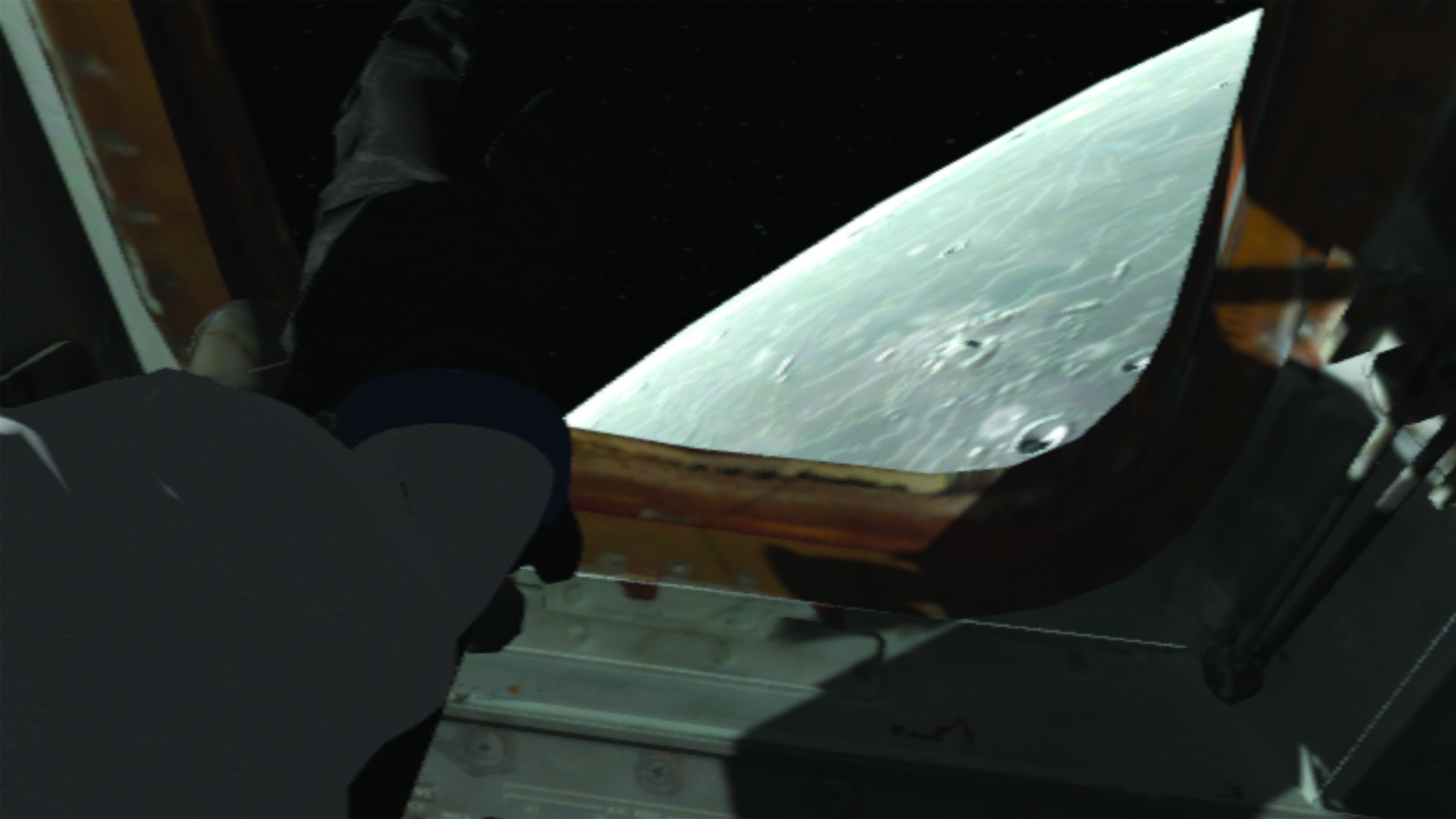
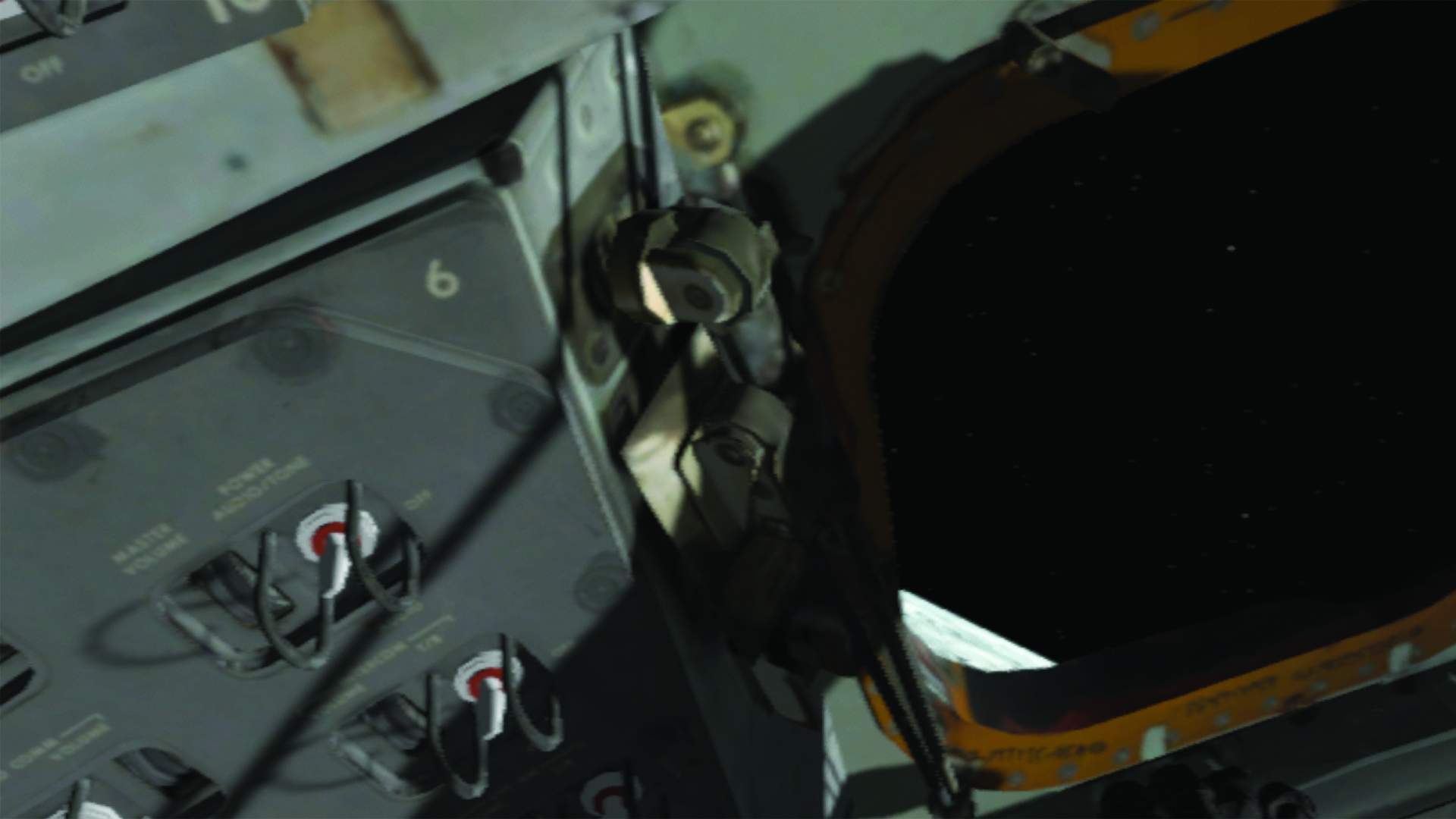
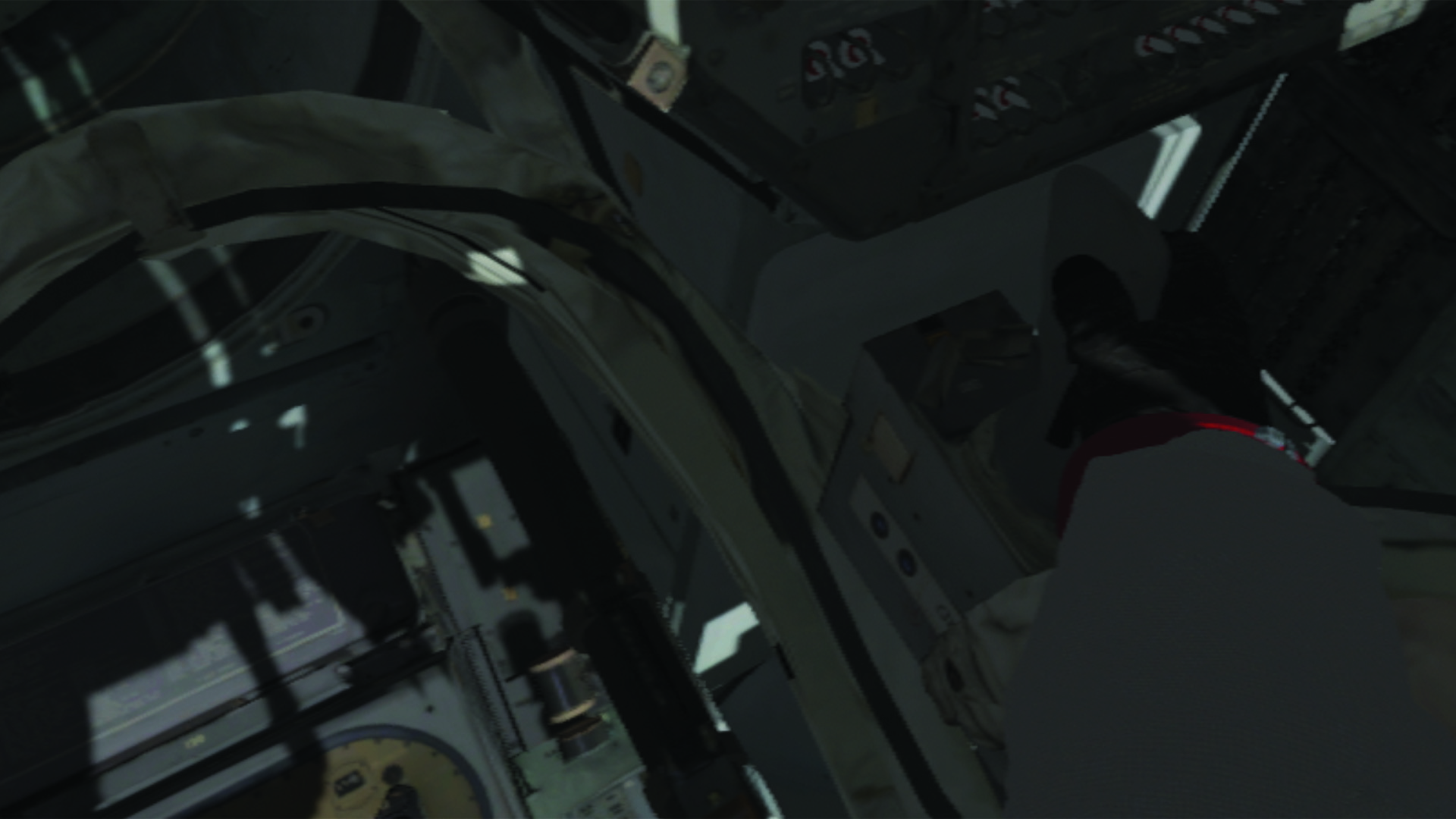
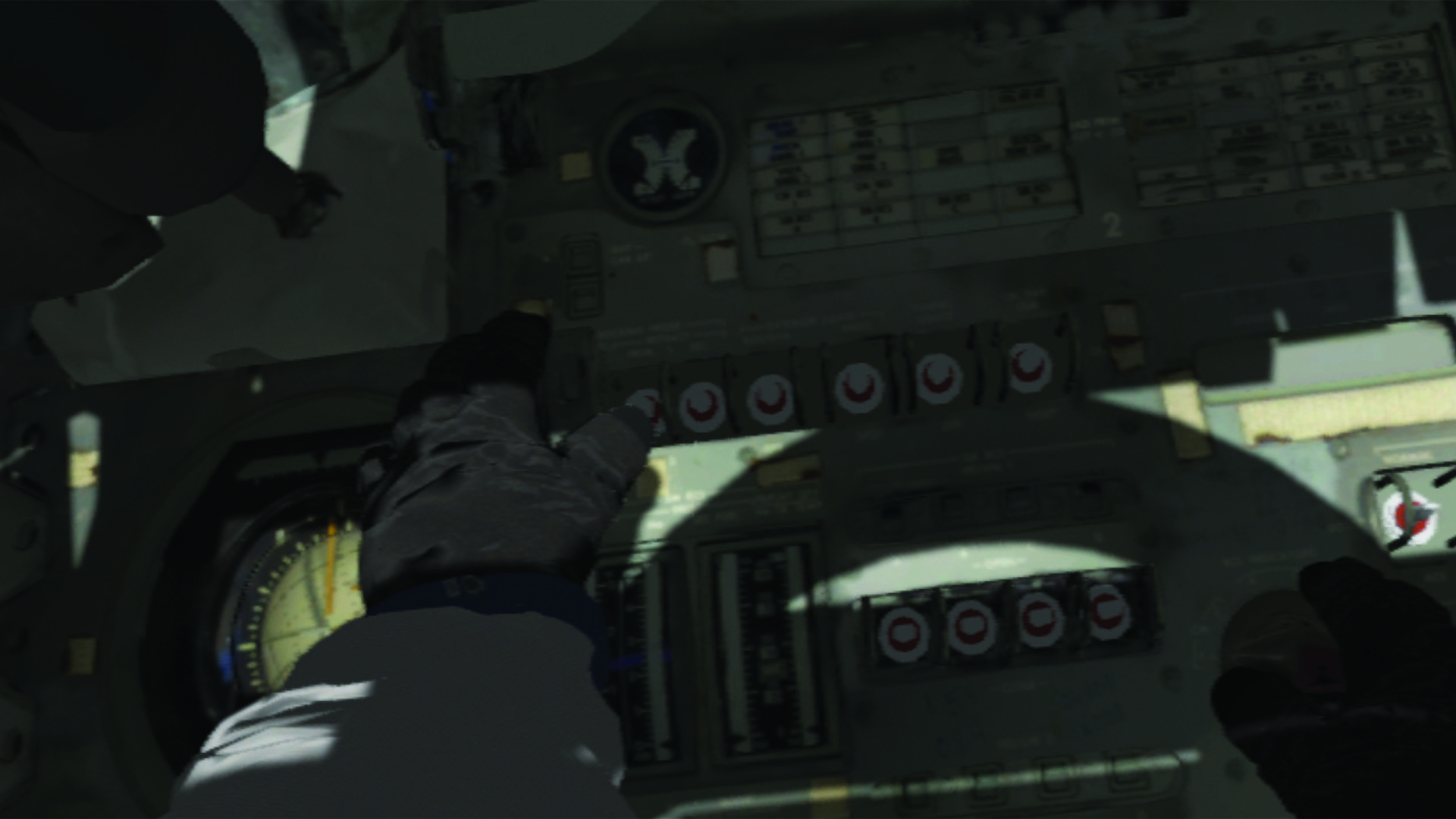
Apollo 11 VR is a first person experience of the interior of the 1969 Command Module. Explore the cockpit firsthand in an authentic model of the interior based on scans from the Smithsonian.
Apollo 11 VR is a first person experience of the interior of the 1969 Command Module. Explore the cockpit firsthand in an authentic model of the interior based on scans from the Smithsonian. This is the 50th anniversary of the historic landing where Buzz Aldrin and Neal Armstrong walked on the surface of the moon on a site name Tranquility Base.
The Apollo spacecraft had three parts: a command module (CM) with a cabin for the three astronauts, and the only part that returned to Earth; a service module (SM), which supported the command module with propulsion, electrical power, oxygen, and water; and a lunar module (LM) that had two stages – a descent stage for landing on the Moon, and an ascent stage to place the astronauts back into lunar orbit. The astronauts used Eagle's ascent stage to lift off from the lunar surface and rejoin Collins in the command module. They jettisoned Eagle before they performed the maneuvers that propelled the ship out of the last of its 30 lunar orbits on a trajectory back to Earth. They returned to Earth and splashed down in the Pacific Ocean on July 24 after more than eight days in space.
Armstrong's first step onto the lunar surface was broadcast on live TV to a worldwide audience. He described the event as "one small step for man, one giant leap for mankind."
The Institute for Digital Intermedia Arts (IDIA Lab) at Ball State University explores the intersection between the arts, science, and technology. Scholarly, creative and pedagogical projects investigate virtual reality, human computer interface (HCI), augmented reality, mobile apps, visualization and 3D simulation.
The Apollo spacecraft had three parts: a command module (CM) with a cabin for the three astronauts, and the only part that returned to Earth; a service module (SM), which supported the command module with propulsion, electrical power, oxygen, and water; and a lunar module (LM) that had two stages – a descent stage for landing on the Moon, and an ascent stage to place the astronauts back into lunar orbit. The astronauts used Eagle's ascent stage to lift off from the lunar surface and rejoin Collins in the command module. They jettisoned Eagle before they performed the maneuvers that propelled the ship out of the last of its 30 lunar orbits on a trajectory back to Earth. They returned to Earth and splashed down in the Pacific Ocean on July 24 after more than eight days in space.
Armstrong's first step onto the lunar surface was broadcast on live TV to a worldwide audience. He described the event as "one small step for man, one giant leap for mankind."
The Institute for Digital Intermedia Arts (IDIA Lab) at Ball State University explores the intersection between the arts, science, and technology. Scholarly, creative and pedagogical projects investigate virtual reality, human computer interface (HCI), augmented reality, mobile apps, visualization and 3D simulation.
Media
Trailers and screenshots straight from the store page
Price history
Accepted price history and recorded lows
No price history recorded yet.
Historical lows
No history yet.
Apollo 11 VR price history and current deals
Price tracking for Apollo 11 VR across authorized stores.
Scores
Steam reviews Mixed · 64%
64% positive of 22
Media (5)
Tech
Requirements
Facts
DeveloperIDIA Lab
PublisherIDIA Lab
GenresCasual · Simulation
TagsCasual · Simulation · VR
ModesSingle-player
Links