PC Region US

Audio Production · Digital Sound Factory
CWSC - Cakewalk Expansion Pack - Wurlitzer Electric Piano

Windows
No user reviews · 0% of 0
Price memory
Official-store evidence for this region · US
Not enough recorded evidence for a price comparison.
- Current official price Not recorded
- Regular price Not recorded
- Recorded low Not recorded
- Compared with usual sales Not recorded
- Observed sale intervals Not enough recorded sale starts for an interval range.
- Interval samples 0
- Observed window Not recorded
- Confidence insufficient
Offers
Official store prices and labeled keyshop comparisons
No offers tracked yet for this product.
Report a problem
Price history
Accepted price history and recorded lows
No price history recorded yet.
Historical lows
No history yet.
Sale cadence
No recorded sale starts yet.
About this game
What this game is, in the developer's words
You must own the STEAM version of Music Creator or SONAR to use this DLC
Ben F. Meissner patented his stringless piano design in 1932. Mr. Meissner sold his design to the Everett Piano Company who further developed his ideas and later resold the improved design to the Wurlitzer Organ Company. The Wurlitzer electric piano utilized felt covered hammers which struck metallic reeds. The reeds are tuned with blobs of solder and a file. A magnetic pickup system converted the tone into electric energy and a small amplifier drove the built in speakers on the front of the piano. The Wurlitzer piano sounds very different from the Rhodes piano and has enjoyed great success, especially during the 1960s and 1970s. The Wurlitzer piano can be heard on Ray Charles’ classic “What I'd Say” recorded in 1959. Supertramp, Steely Dan and Little Feat also made extensive use of the classic Wurlitzer sound in their many great recordings.
Ben F. Meissner patented his stringless piano design in 1932. Mr. Meissner sold his design to the Everett Piano Company who further developed his ideas and later resold the improved design to the Wurlitzer Organ Company. The Wurlitzer electric piano utilized felt covered hammers which struck metallic reeds. The reeds are tuned with blobs of solder and a file. A magnetic pickup system converted the tone into electric energy and a small amplifier drove the built in speakers on the front of the piano. The Wurlitzer piano sounds very different from the Rhodes piano and has enjoyed great success, especially during the 1960s and 1970s. The Wurlitzer piano can be heard on Ray Charles’ classic “What I'd Say” recorded in 1959. Supertramp, Steely Dan and Little Feat also made extensive use of the classic Wurlitzer sound in their many great recordings.
Media
Trailers and screenshots from the store page
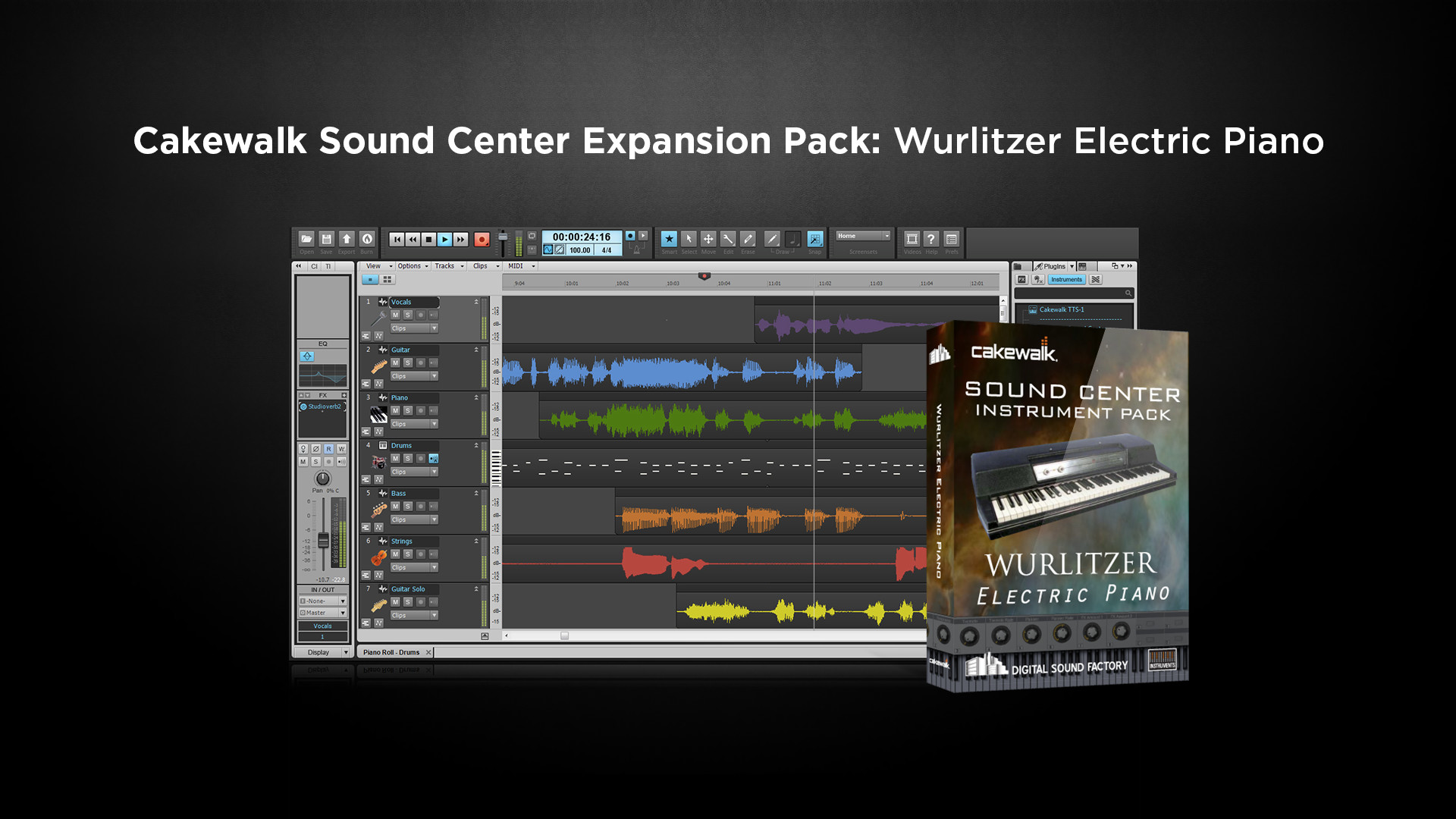
CWSC - Cakewalk Expansion Pack - Wurlitzer Electric Piano price history and current deals
Price tracking for CWSC - Cakewalk Expansion Pack - Wurlitzer Electric Piano across authorized stores.
Scores
Steam reviews No user reviews · 0%
Media (1)
Requirements
Facts
Links