PC $12.99 Region US

Simulation · N3V Games
TANE DLC: CSX EMD SD60

Windows macOS
2 user reviews · 50% of 2
Wait for a sale Price verdict · US updated 3 hr. ago
No discount right now. The current price is 100% of the way from its all-time low to full price.
Why this verdict
Price position between all-time low and full price 100%
All-time low $5.84 · 11d ago
Player reviews 50% positive of 2
Quality score 50/100 · small sample
Value score 0/100
Offers
Official store prices and labeled keyshop comparisons
Official stores (1)
Direct store link. Payment stays with the store.
Report a wrong price
About this game
What this game is, in the developer's words
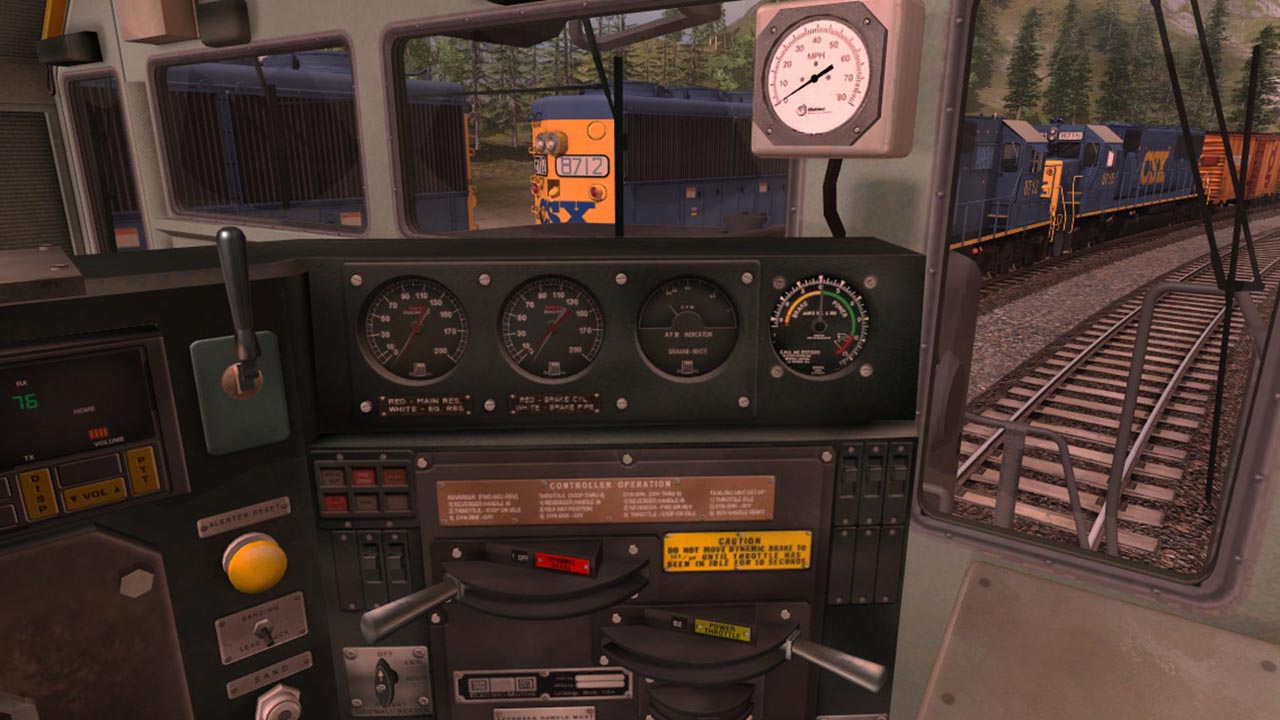
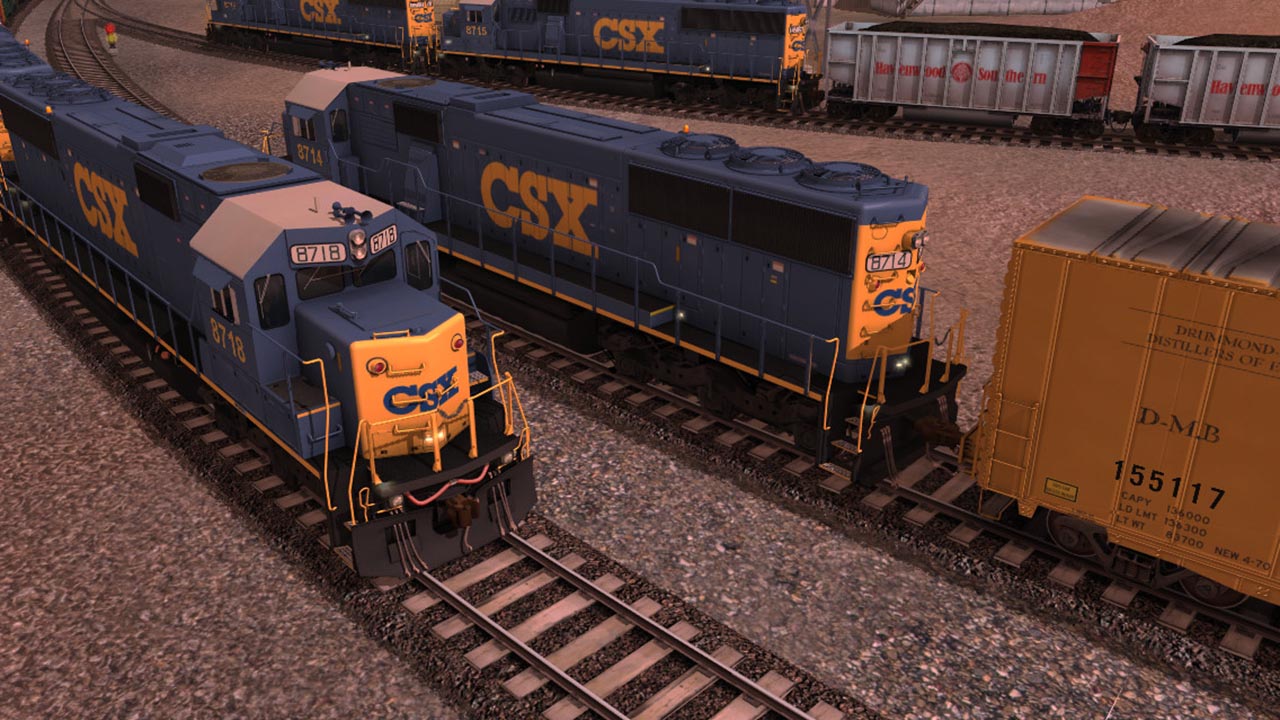
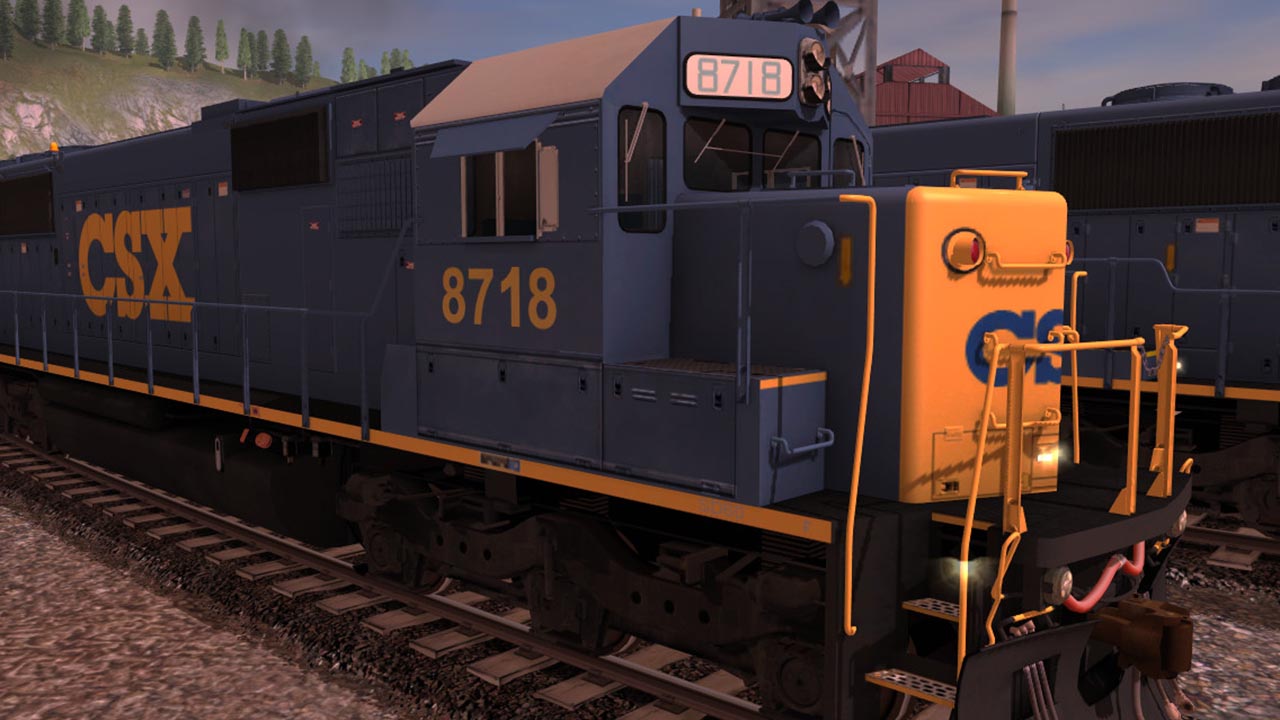
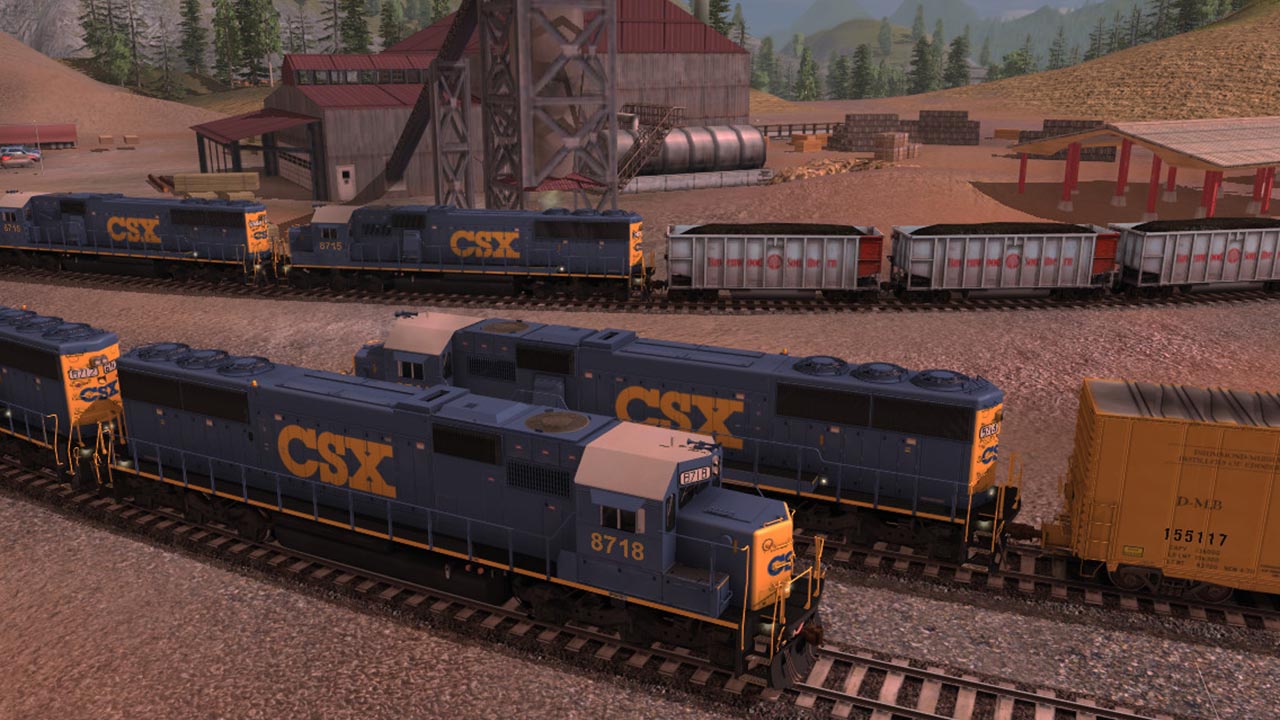
This session lets you jump straight in and drive the CSX Transportation EMD SD60 in 'easy' or 'realistic' mode.
This session lets you jump straight in and drive the CSX Transportation EMD SD60 in 'easy' or 'realistic' mode.
For the full experience, select 'Realistic Mode' and start driving this beautiful locomotive!
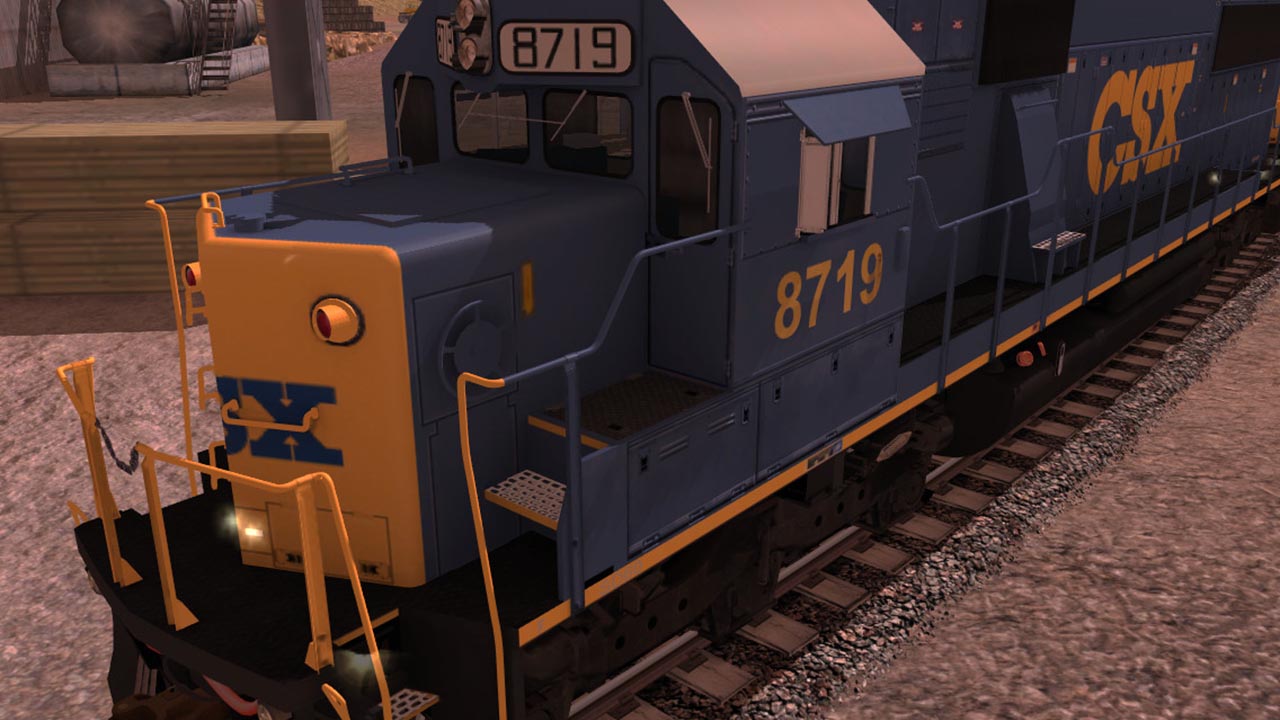
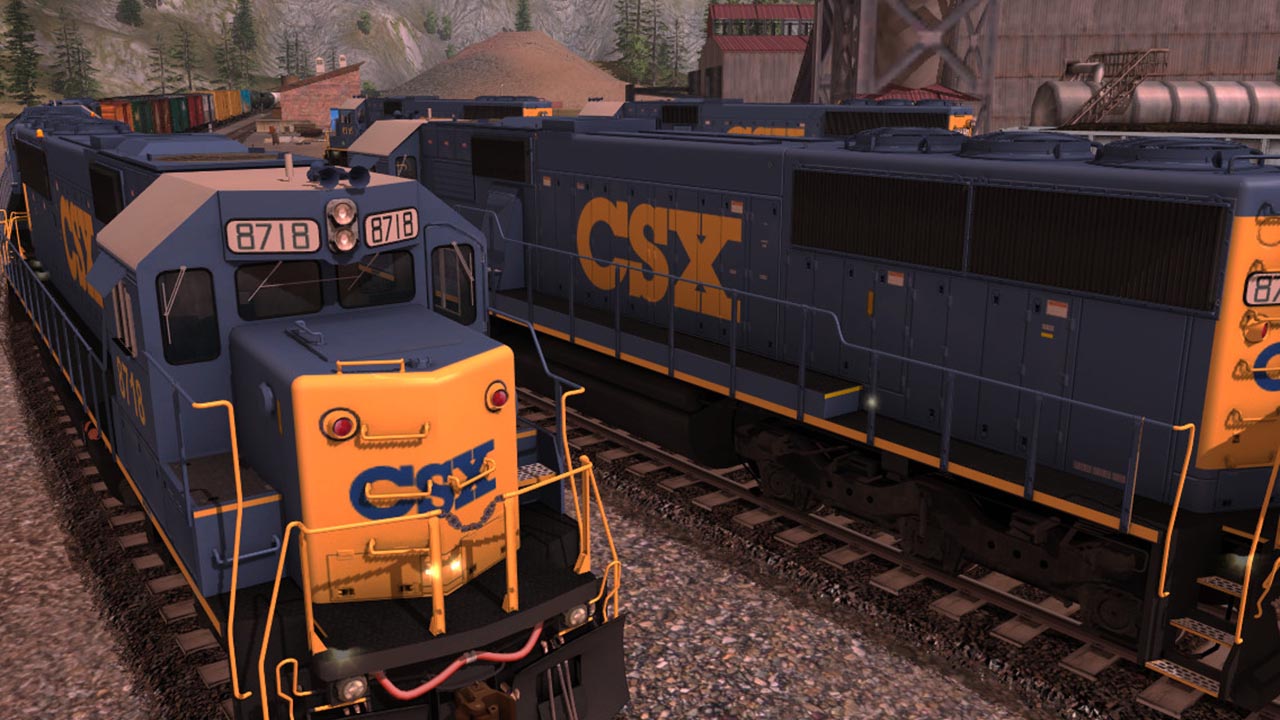
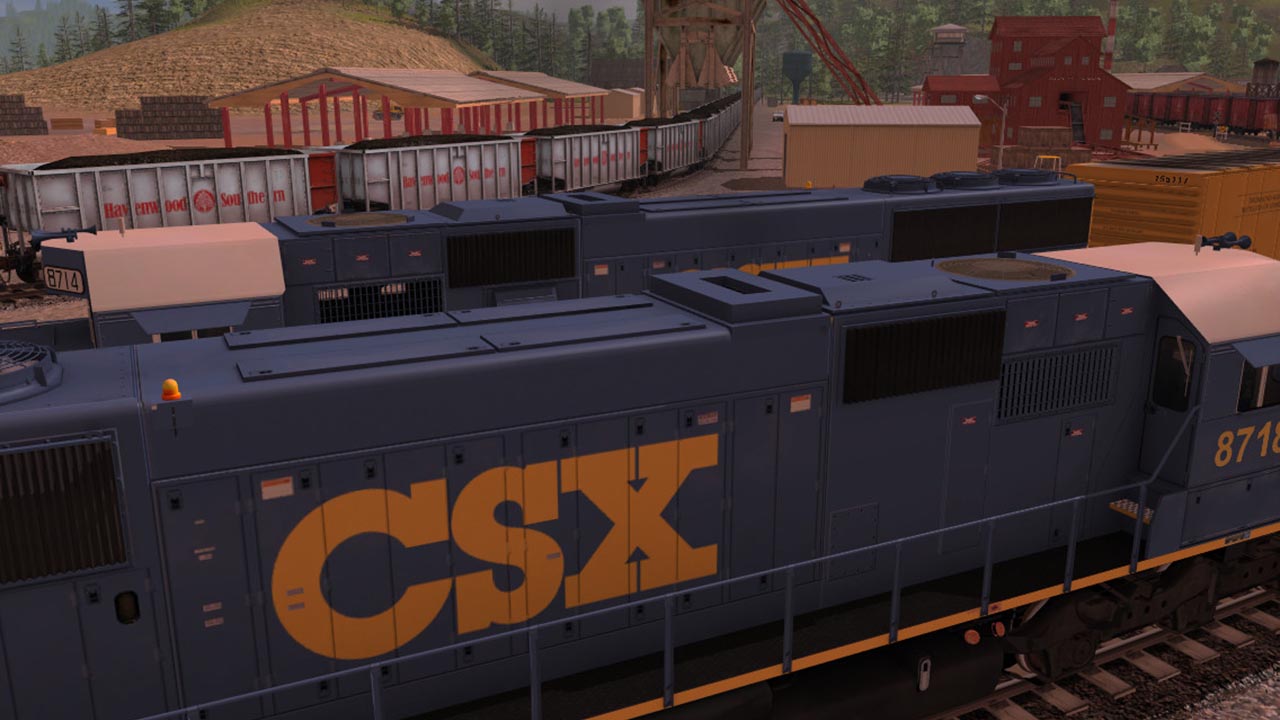
SD60 - This was the original model, and had a conventional hood unit configuration with the 40 Series (spartan) cab first employed on the SD40-2.
The development of the GP50 and GP60 series (B-B) the SD50 and SD60 series (C-C) locomotives (all of these being 16 cylinders; EMD formerly offered 3,600 hp (2,700 kW) in a 20-cylinder model, the SD45, but it had a reputation for being a fuel guzzler, although the technology was identical to the concurrently available 16-cylinder models) in the late 1970s and early 1980s was spurred by the introduction of 3,600 horsepower (2,700 kW) GE B36-7 (B-B) and GE C36-7 (C-C) locomotives (both of these being 16 cylinders, as were most of its predecessors, but with major modifications to the 'power assemblies' to cope with the higher temperatures and pressures encountered at this power level in a 16-cylinder engine) by EMD's main competitor General Electric. In 1980, the SD50 model was added to the EMD Catalog. However, the SD50's electrical reliability was poor and, similarly, the 3,500 horsepower (2,600 kW) 16-645F engine had poor mechanical reliability, both believed to be largely due to excessive vibration from the 950 maximum rpm of the 645F prime mover. It was time to develop a replacement for the venerable 645 engine which, in its earlier 16-645E form, had proved to be exceptionally reliable. EMD therefore quickly commenced development of the SD60 series, which would eliminate the weaknesses of the SD50. The lessons learned in developing the 645F crankcase and crankshaft (for the earlier 20-645E, and the then-current 16-645F) were incorporated in the replacement, the 710G, first employed in the SD60. Although the carbody and frame are nearly indistinguishable from the earlier SD50, the SD60 featured the new 16-cylinder EMD 710G3A prime mover, AR-11 traction alternator, D-87 traction motors and a microprocessor-based control system that governed various electrical systems within the locomotive (e.g., wheel slip and transition).
The SD60 proved to be more reliable and fuel-efficient than the SD50, but it was not a resounding success in terms of regaining the market share that was lost due to the electrical and mechanical issues that plagued the earlier SD50. The goal was to equal or exceed the reliability of the earlier 645E-powered 3,000 horsepower (2,200 kW) SD40-2, which was an industry standard benchmark for reliability, in the new 710G-powered 3,800 horsepower (2,800 kW) SD60. This goal was largely achieved and the later 710G-powered 4,000 horsepower (3,000 kW) SD70M received what would be the largest single order for new locomotives, a 1,000 unit order from Union Pacific, (numbered UP 4000 through 4999, inclusive), which was later extended by nearly 500 additional SD70M units (numbered UP 3999 and below, and UP 5000 and above), and by nearly 1,000 additional units if UP's SD70ACe orders are included.
As an indication of its sound design, many SD60s are now being re-manufactured by their owners or by subcontractors for another 30 years of trouble-free service, 240 such units by Norfolk Southern alone, some of which will be acquired on the secondary market from locomotive lessors. These NS conversions are reported to be upgraded to include electronic fuel injection, intercooling, 'crash-worthy' fuel tanks and other components and features found in late SD70s. The traditional 'spartan' cab will also be replaced with a new 'crash-worthy' cab built to NS specifications ('Crescent cab'). Early units were completed at the original SD60's 3,800 HP rating, but all were later uprated to the SD70's 4,000 HP rating, thereby becoming for all intents and purposes the equivalent of a late SD70M, but at a fraction of an SD70M's cost.
For the full experience, select 'Realistic Mode' and start driving this beautiful locomotive!
SD60 - This was the original model, and had a conventional hood unit configuration with the 40 Series (spartan) cab first employed on the SD40-2.
Features Include:
- night Lighting
- ditch Lights
- auto Running Numbers
- fan Animation
History and Development
The development of the GP50 and GP60 series (B-B) the SD50 and SD60 series (C-C) locomotives (all of these being 16 cylinders; EMD formerly offered 3,600 hp (2,700 kW) in a 20-cylinder model, the SD45, but it had a reputation for being a fuel guzzler, although the technology was identical to the concurrently available 16-cylinder models) in the late 1970s and early 1980s was spurred by the introduction of 3,600 horsepower (2,700 kW) GE B36-7 (B-B) and GE C36-7 (C-C) locomotives (both of these being 16 cylinders, as were most of its predecessors, but with major modifications to the 'power assemblies' to cope with the higher temperatures and pressures encountered at this power level in a 16-cylinder engine) by EMD's main competitor General Electric. In 1980, the SD50 model was added to the EMD Catalog. However, the SD50's electrical reliability was poor and, similarly, the 3,500 horsepower (2,600 kW) 16-645F engine had poor mechanical reliability, both believed to be largely due to excessive vibration from the 950 maximum rpm of the 645F prime mover. It was time to develop a replacement for the venerable 645 engine which, in its earlier 16-645E form, had proved to be exceptionally reliable. EMD therefore quickly commenced development of the SD60 series, which would eliminate the weaknesses of the SD50. The lessons learned in developing the 645F crankcase and crankshaft (for the earlier 20-645E, and the then-current 16-645F) were incorporated in the replacement, the 710G, first employed in the SD60. Although the carbody and frame are nearly indistinguishable from the earlier SD50, the SD60 featured the new 16-cylinder EMD 710G3A prime mover, AR-11 traction alternator, D-87 traction motors and a microprocessor-based control system that governed various electrical systems within the locomotive (e.g., wheel slip and transition).
The SD60 proved to be more reliable and fuel-efficient than the SD50, but it was not a resounding success in terms of regaining the market share that was lost due to the electrical and mechanical issues that plagued the earlier SD50. The goal was to equal or exceed the reliability of the earlier 645E-powered 3,000 horsepower (2,200 kW) SD40-2, which was an industry standard benchmark for reliability, in the new 710G-powered 3,800 horsepower (2,800 kW) SD60. This goal was largely achieved and the later 710G-powered 4,000 horsepower (3,000 kW) SD70M received what would be the largest single order for new locomotives, a 1,000 unit order from Union Pacific, (numbered UP 4000 through 4999, inclusive), which was later extended by nearly 500 additional SD70M units (numbered UP 3999 and below, and UP 5000 and above), and by nearly 1,000 additional units if UP's SD70ACe orders are included.
As an indication of its sound design, many SD60s are now being re-manufactured by their owners or by subcontractors for another 30 years of trouble-free service, 240 such units by Norfolk Southern alone, some of which will be acquired on the secondary market from locomotive lessors. These NS conversions are reported to be upgraded to include electronic fuel injection, intercooling, 'crash-worthy' fuel tanks and other components and features found in late SD70s. The traditional 'spartan' cab will also be replaced with a new 'crash-worthy' cab built to NS specifications ('Crescent cab'). Early units were completed at the original SD60's 3,800 HP rating, but all were later uprated to the SD70's 4,000 HP rating, thereby becoming for all intents and purposes the equivalent of a late SD70M, but at a fraction of an SD70M's cost.
Media
Trailers and screenshots straight from the store page
Price history
Accepted price history and recorded lows
Historical lows
All-time low ATL $5.84 2026-07-07
3-month low $5.84
12-month low $5.84
Current $12.99
Price events From the accepted price history
Jul 10, 2026
Sale ended · back to $12.99
Jul 7, 2026
New all-time low $5.84
TANE DLC: CSX EMD SD60 price history and current deals
TANE DLC: CSX EMD SD60 for PC currently sells from $12.99 at authorized stores. Its all-time low is $5.84, set on 2026-07-07.
Frequently asked questions
Answered from this game's own price and edition data
How does the current TANE DLC: CSX EMD SD60 price compare?
The price verdict is wait. The current price is 100% of the way from its all-time low to full price. Seasonal sales have priced it lower.
How does $12.99 compare with the TANE DLC: CSX EMD SD60 price history?
$12.99 is 100% of the way from the all-time low of $5.84 to the full price. A lower price is recorded in the history.
Which stores list TANE DLC: CSX EMD SD60?
TANE DLC: CSX EMD SD60 is tracked at steam. This section lists authorized stores and links to their store pages.
Scores
Steam reviews 2 user reviews · 50%
50% positive of 2
Media (7)
Requirements
Facts
DeveloperN3V Games
PublisherN3V Games
GenresSimulation
TagsSimulation
ModesMulti-player · Single-player · Co-op
Links