El texto del producto se muestra en inglés porque no hay texto fuente disponible en este idioma.
Field of Glory II: Medieval - Rise of the Swiss

Buenas reseñas, con un 100 % positivas. El precio actual está cerca de su mínimo registrado.
Por qué este veredicto
Memoria de precios
Datos de tiendas oficiales para esta región · ES
- Precio oficial actual 7,39 €
- Precio habitual 14,79 €
- Mínimo registrado 7,39 €
- Comparación con las ofertas habituales No registrado
- Intervalos de oferta observados de 15,4 a 15,4 días · mediana de 15,4 días
- Muestra de intervalos 1
- Periodo observado del 7 jul 2026 al 22 jul 2026 · 15,4 días
- Confianza baja
Ofertas
Precios de tiendas oficiales y comparaciones de keyshops identificadas
Informar de un problema
Historial de precios
Historial de precios aceptados y mínimos registrados
Paquetes y lotes
- Field of Glory II: Medieval - Complete -58% Desde 38,46 €
Acerca de este juego
El juego, contado por quienes lo desarrollaron
From the late 1300s some Swiss started to carry the long pike, at first as a minority weapon, the bulk of their soldiers still carrying the halberd.
From the late 1300s some Swiss started to carry the long pike, at first as a minority weapon, the bulk of their soldiers still carrying the halberd. In 1422, a small Swiss army was beaten at Arbedo by a Milanese army containing a large number of men-at-arms, who dismounted after their initial mounted charge failed. It was noticed that the pikemen fared better in combat against dismounted men-at-arms than the halberdiers, due to the longer reach of their weapons.
From that time onwards the proportion of pikemen in Swiss armies was steadily increased, so that by the end of the fifteenth century it had become the dominant weapon. The halberd was only retained by a small number of experienced soldiers to defend the banners, and to break up an enemy's formation if the pike advance was halted.
The new Swiss system proved an astounding success on the battlefield: victorious in the Burgundian Wars, defeating the Holy Roman Empire in the Swabian War, and as mercenaries they were a key component of French King Charles VIII's armies in Italy. Soon pike formations were adopted in many western European countries, notably in Germany by the famous 'landsknechts'.
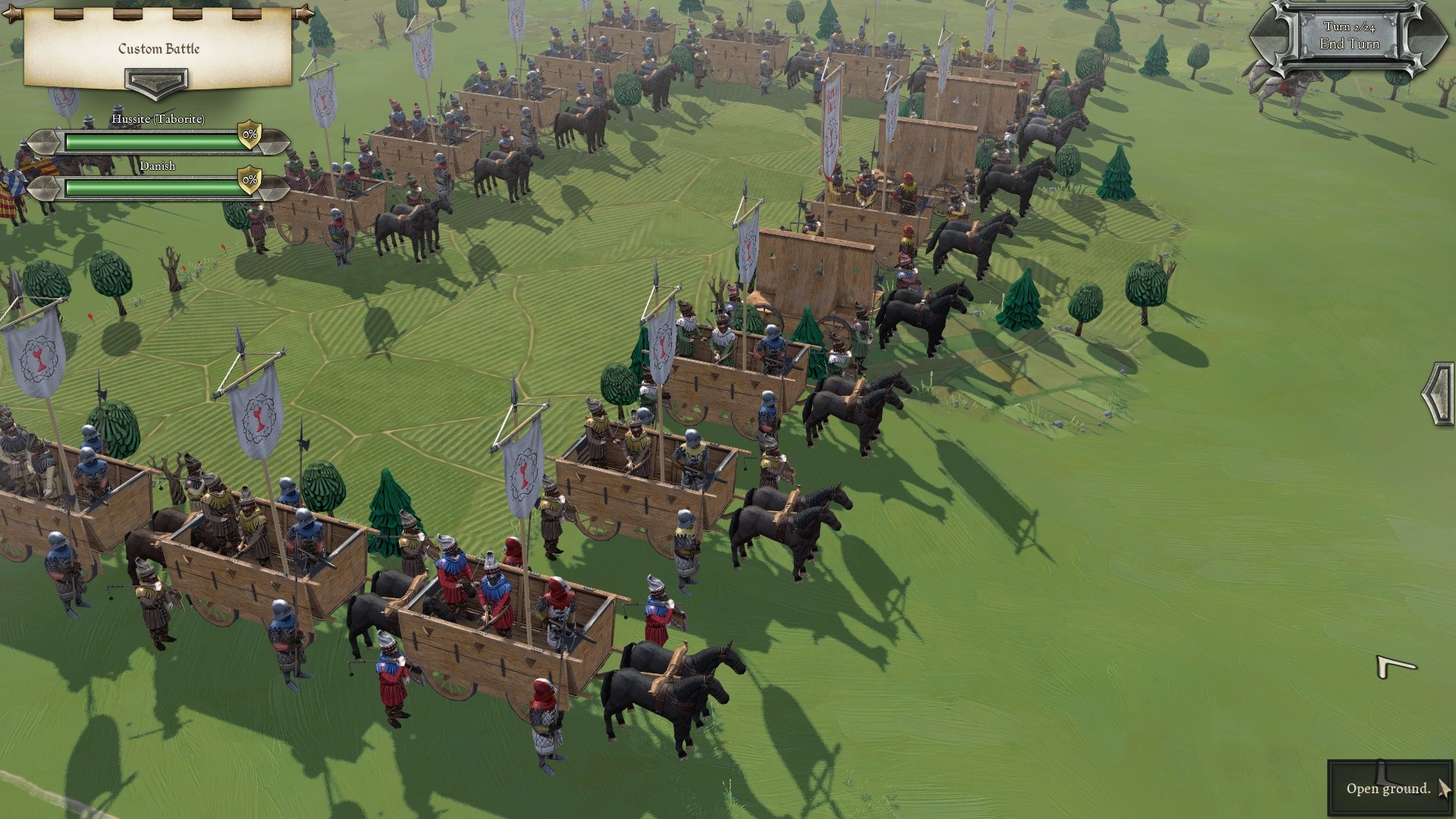
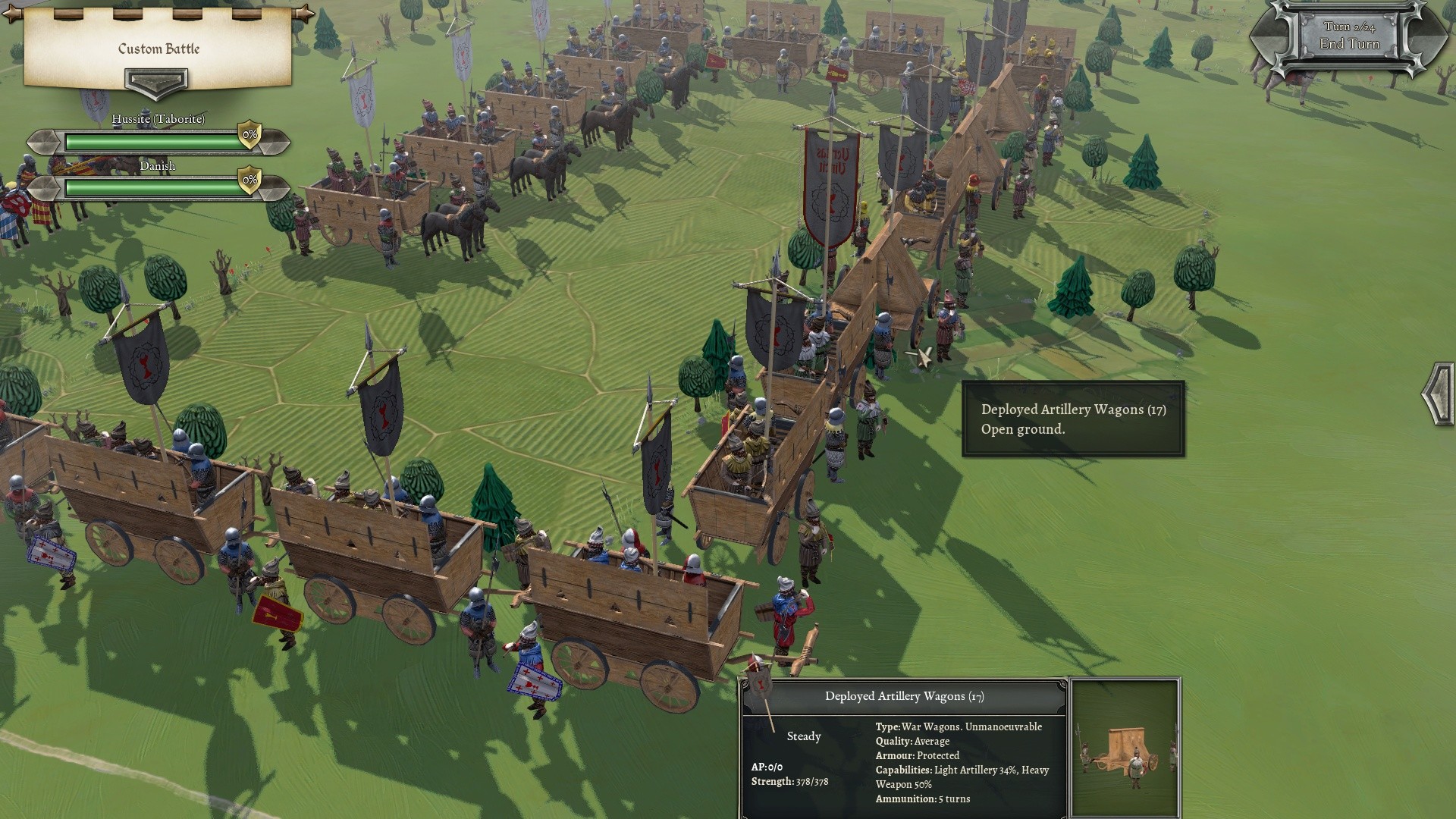
In Bohemia, war had broken out between the followers of Jan Hus, a Proto-Protestant religious reformer, and the Catholic royalists. The Hussites were mainly common people, and they had few nobles to provide heavily armoured men-at-arms. To counter the royalists’ advantage in heavy cavalry, they adapted simple agricultural wagons into the 'Wagenburg', a mobile fortress, from within which the Hussite soldiers could fight. This was mainly a defensive weapon, although at the Battle of Kutna Hora in 1421 it was used to break through a royalist army.
In Spain, the Reconquista was finally completed when the Kingdom of Granada was conquered in 1492. Here, the armies of Castile and Aragon had also adopted the pike, but Castile had in addition revived the use of sword and buckler men, in imitation of the ancient Roman legionaries.
England saw a series of wars between the Lancastrian and Yorkist branches of the Plantagenet royal family. Today these are known as the Wars of the Roses. Here the battlefield was still dominated by the longbow and dismounted men-at-arms, although a few mercenary pikemen were recruited for some campaigns.
Another backwater was Scandinavia, where Sweden fought to break free from the Kalmar Union, which was dominated by Denmark.
- Additional coverage for the following nations and factions from the introduction of Swiss-style pike tactics or Hussite war wagons by themselves or their opponents until 1500 AD: Aragonese, Berber (Wattasid), Bohemian (Catholic), Burgundian, Castilian, Danish, English (Lancastrian, Yorkist and Tudor), Florentine, French, German (Imperial, Feudal and City armies), Granadine, Hungarian, Hussite (Taborite and Utraquist), Low Countries, Milanese, Neapolitan, Papal, Polish, Rus, Scots, Swiss, Venetian. Each of these has their own historically-based banner. (Several European nations are already covered up to 1500 AD by previous DLC).
- 22 new units.
- 60 more army lists allowing historically realistic armies for each of the above factions and their allies at different dates during the period, and bringing the total number of Medieval army lists to 303. In addition armies can include contingents from historical allies. This gives over three hundred thousand permutations. You will never run out of new matchups to try.
o Berber (Wattasid) 1466-1500 AD
o Bohemian (Catholic) 1419-1449 AD
o Bohemian (Catholic) 1450-1500 AD
o Breton 1456-1465 AD
o Breton 1466-1491 AD
o Burgundian 1450-1464 AD
o Burgundian 1465-1470 AD
o Burgundian 1471-1477 AD
o Castilian 1476-1497 AD
o Danish 1488-1500 AD
o English (Britain) 1450-1454 AD
o English (Lancastrian) 1455-1484 AD
o English (Yorkist) 1455-1482 AD
o English (Continental) 1475 AD
o English (Yorkist) 1483-1485 AD
o English (Yorkist) 1486-1497 AD
o English (Tudor) 1485-1500 AD
o Florentine 1400-1414 AD
o Florentine 1415-1439 AD
o Florentine 1424 AD
o Florentine 1440-1500 AD
o French 1466-1479 AD
o French 1480-1483 AD
o French 1484-1500 AD
o German (Imperial) 1425-1449 AD
o German (Imperial) 1450-1487 AD
o German (Imperial) 1488-1500 AD
o German (Feudal) 1450-1489 AD
o German (Feudal) 1490-1500 AD
o German (City N & W) 1450-1487 AD
o German (City N & W) 1488-1500 AD
o German (City S & E) 1425-1449 AD
o German (City S & E) 1450-1487 AD
o German (City S & E) 1488-1500 AD
o Hungarian 1441-1500 AD
o Hussite (Taborite) 1419-1434 AD
o Hussite (Utraquist) 1419-1479 AD
o Low Countries 1450-1477 AD
o Low Countries 1478-1487 AD
o Low Countries 1488-1500 AD
o Milanese 1400-1439 AD
o Milanese 1440-1500 AD
o Neapolitan 1400-1439 AD
o Neapolitan 1440-1500 AD
o Papal 1400-1439 AD
o Papal 1440-1500 AD
o Polish 1455-1500 AD
o Rus 1470-1500 AD
o Scots 1438-1500 AD
o Swiss 1360-1399 AD
o Swiss 1400-1422 AD
o Swiss 1423-1424 AD
o Swiss 1425-1475 AD
o Swiss 1476-1477 AD
o Swiss 1478-1490 AD
o Swiss 1491-1500 AD
o Venetian 1400-1414 AD
o Venetian 1415-1439 AD
o Venetian 1440-1500 AD
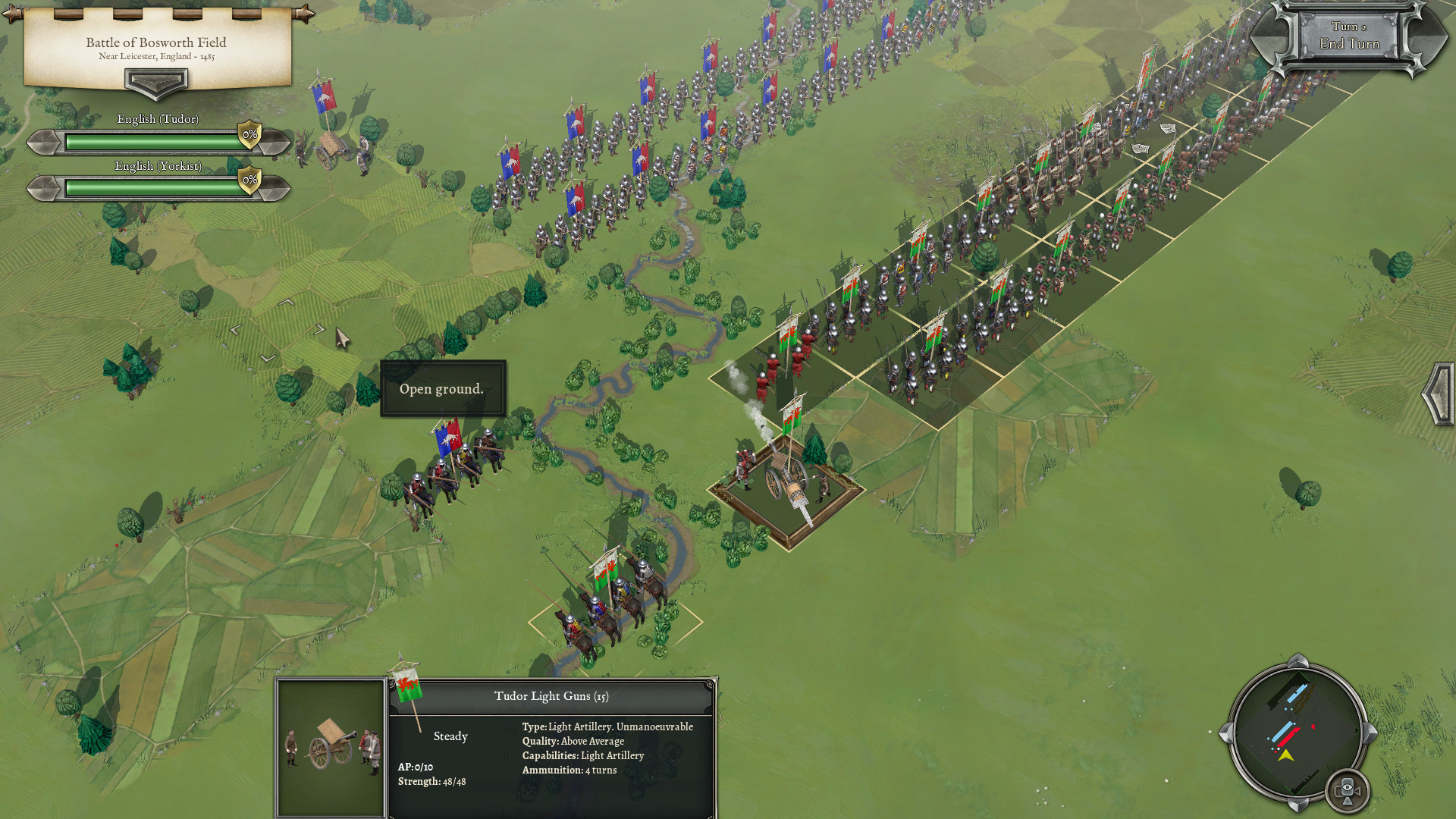
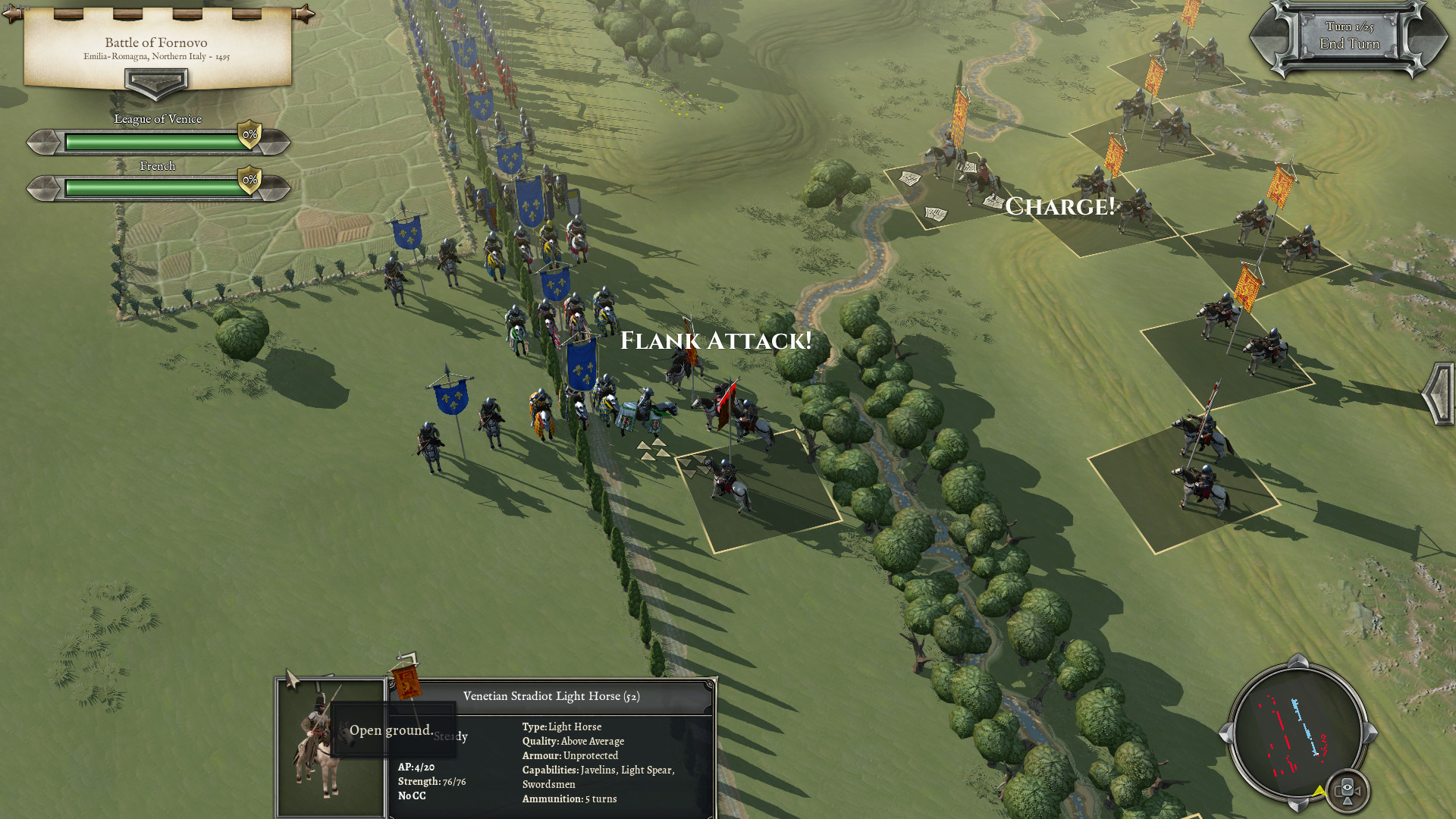
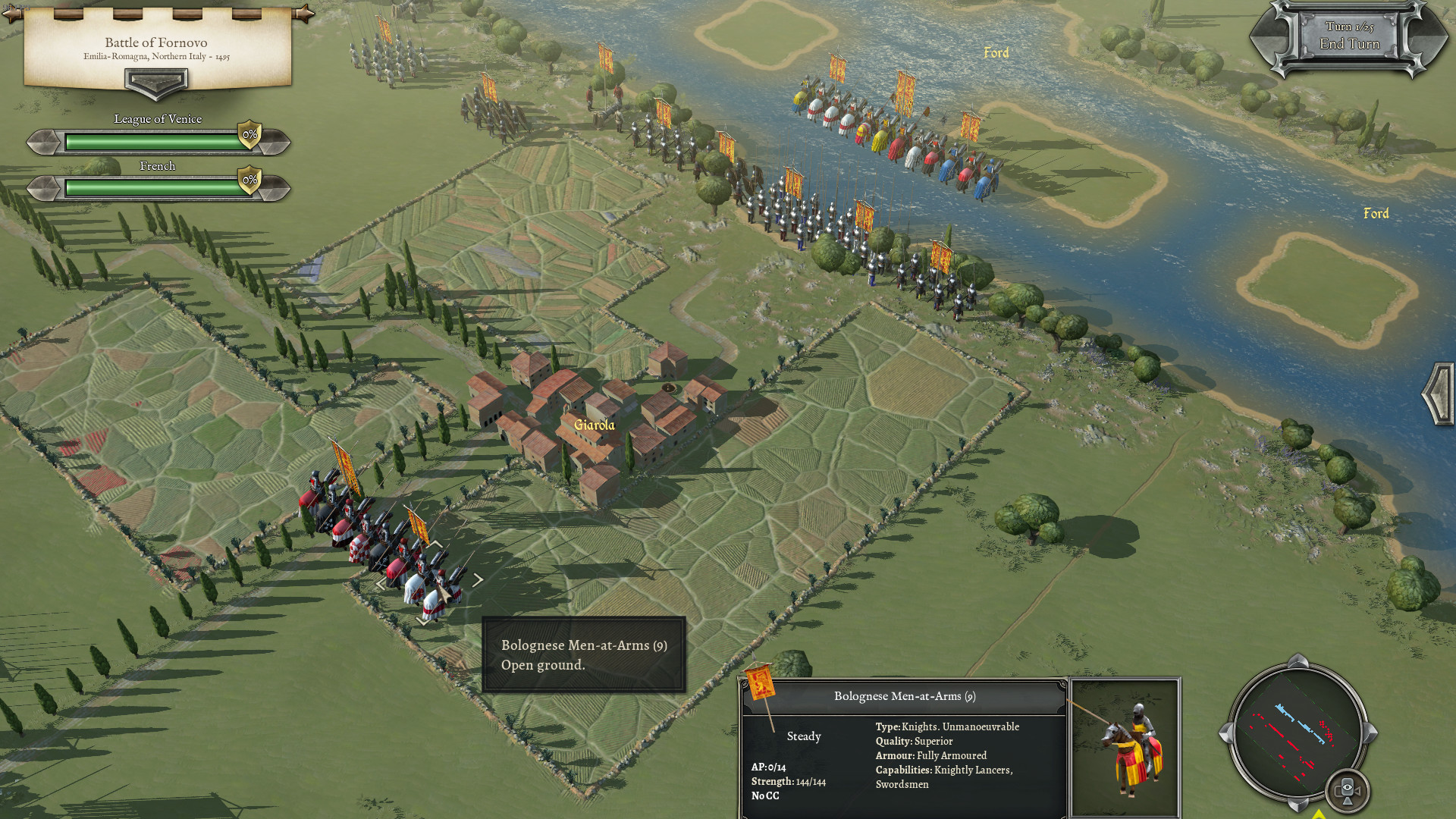
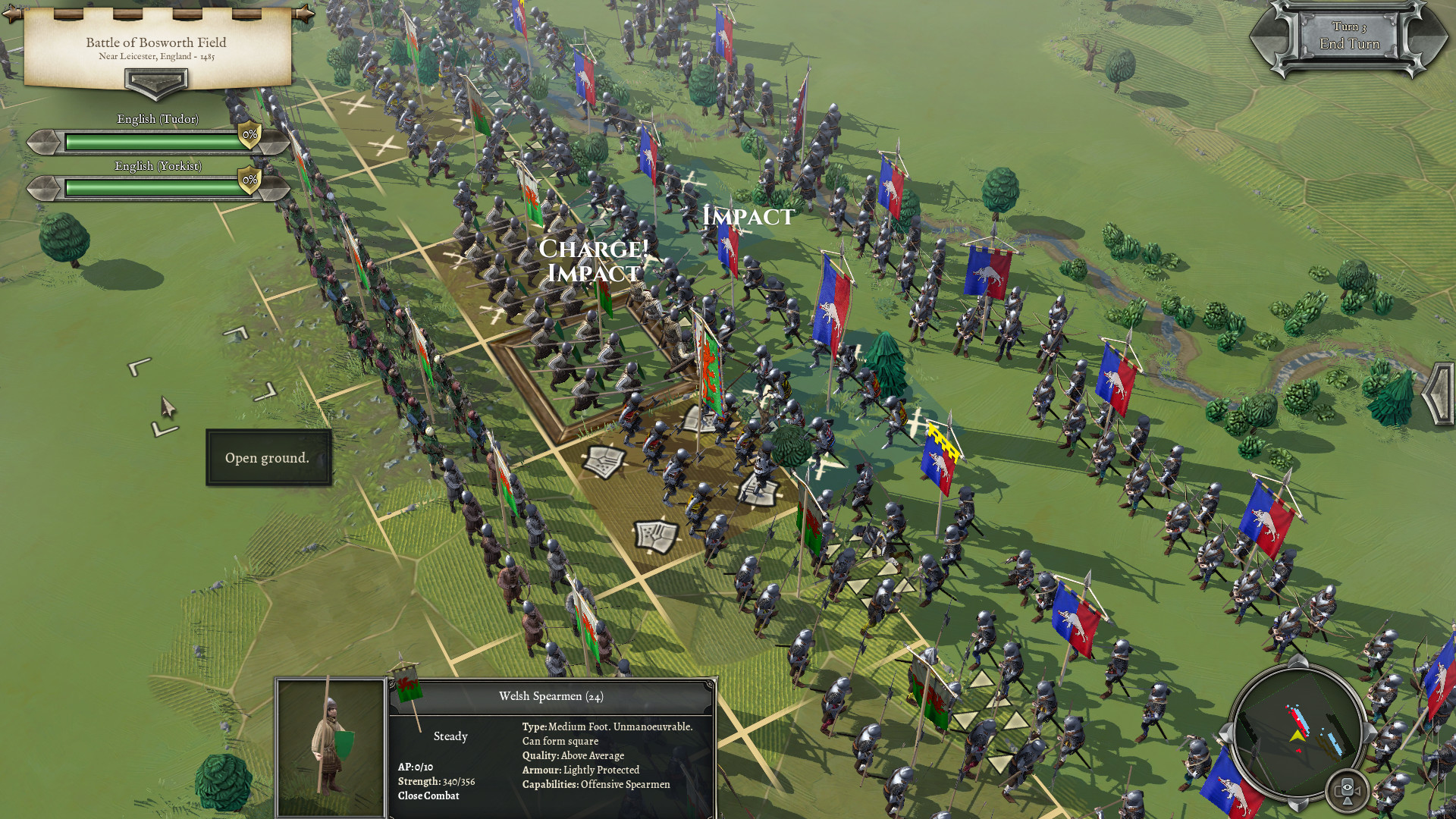
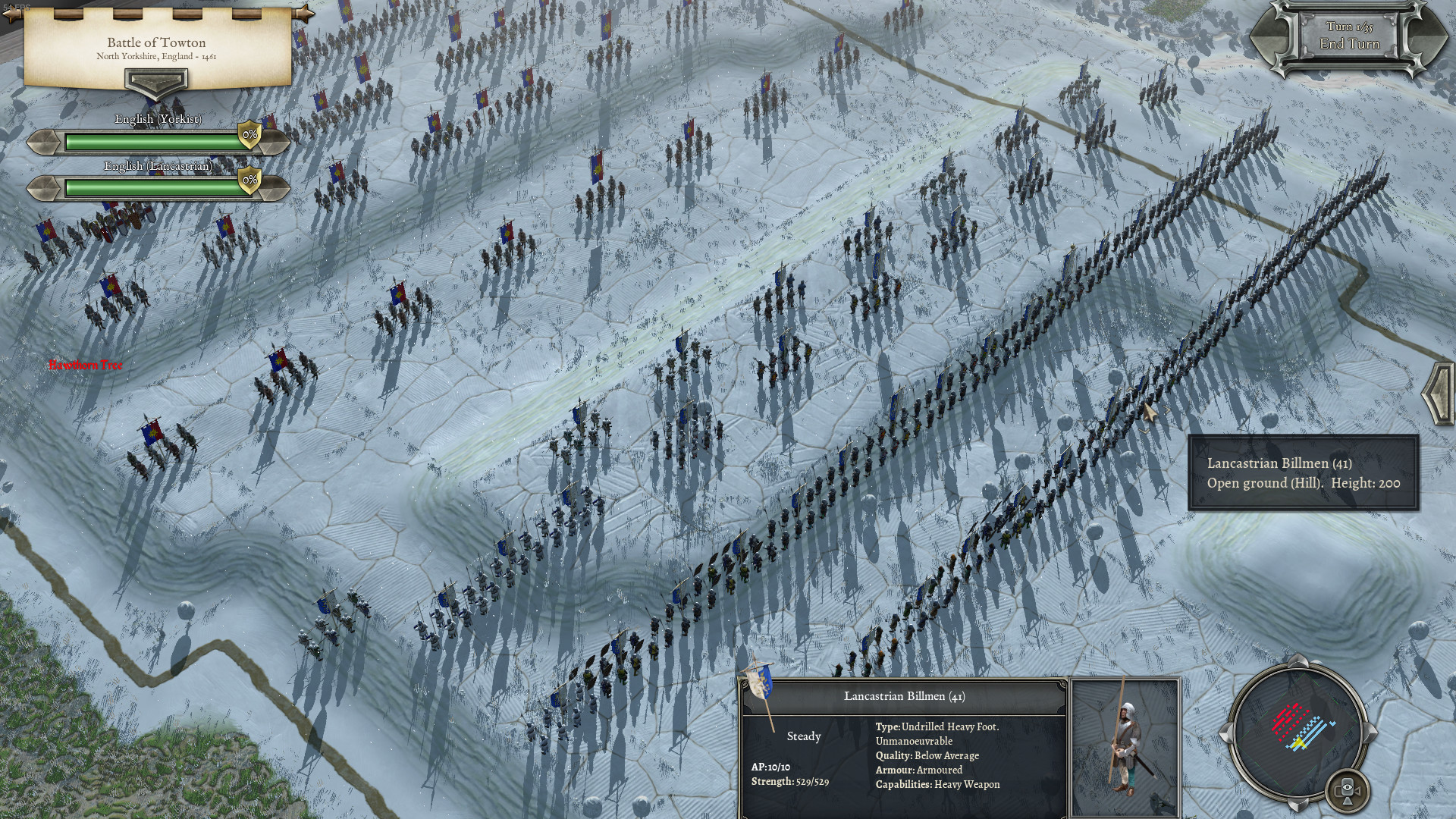
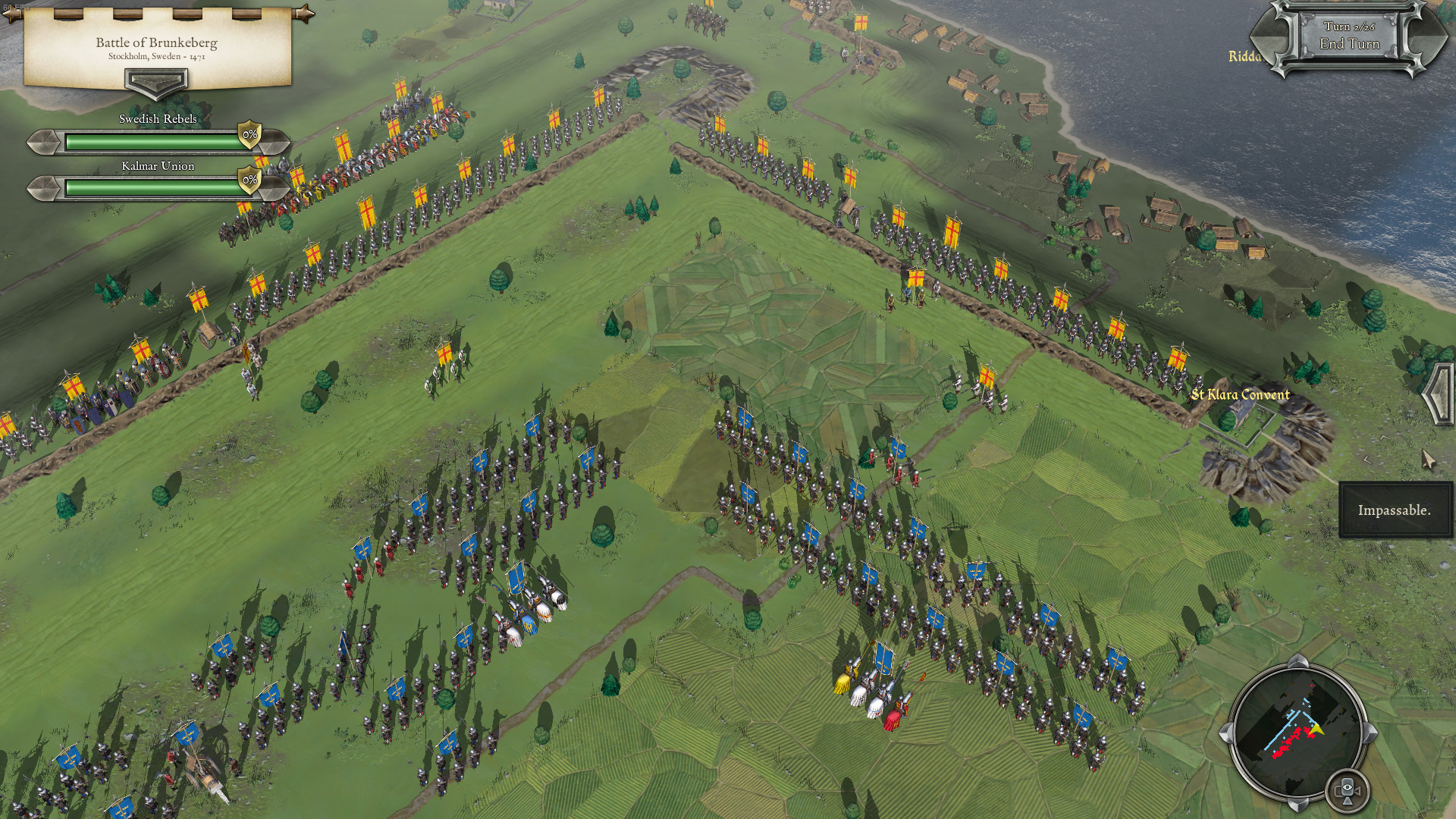
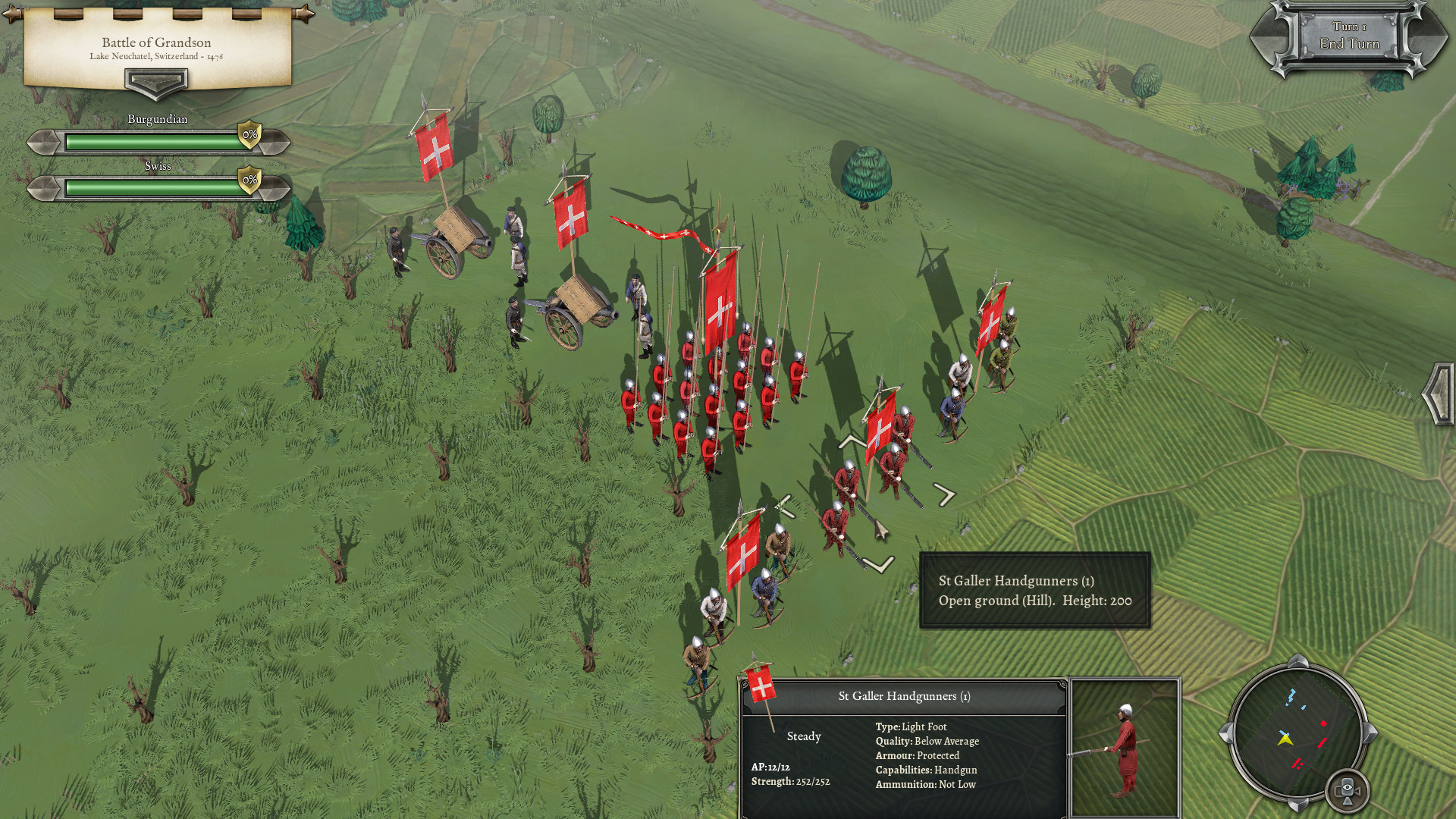
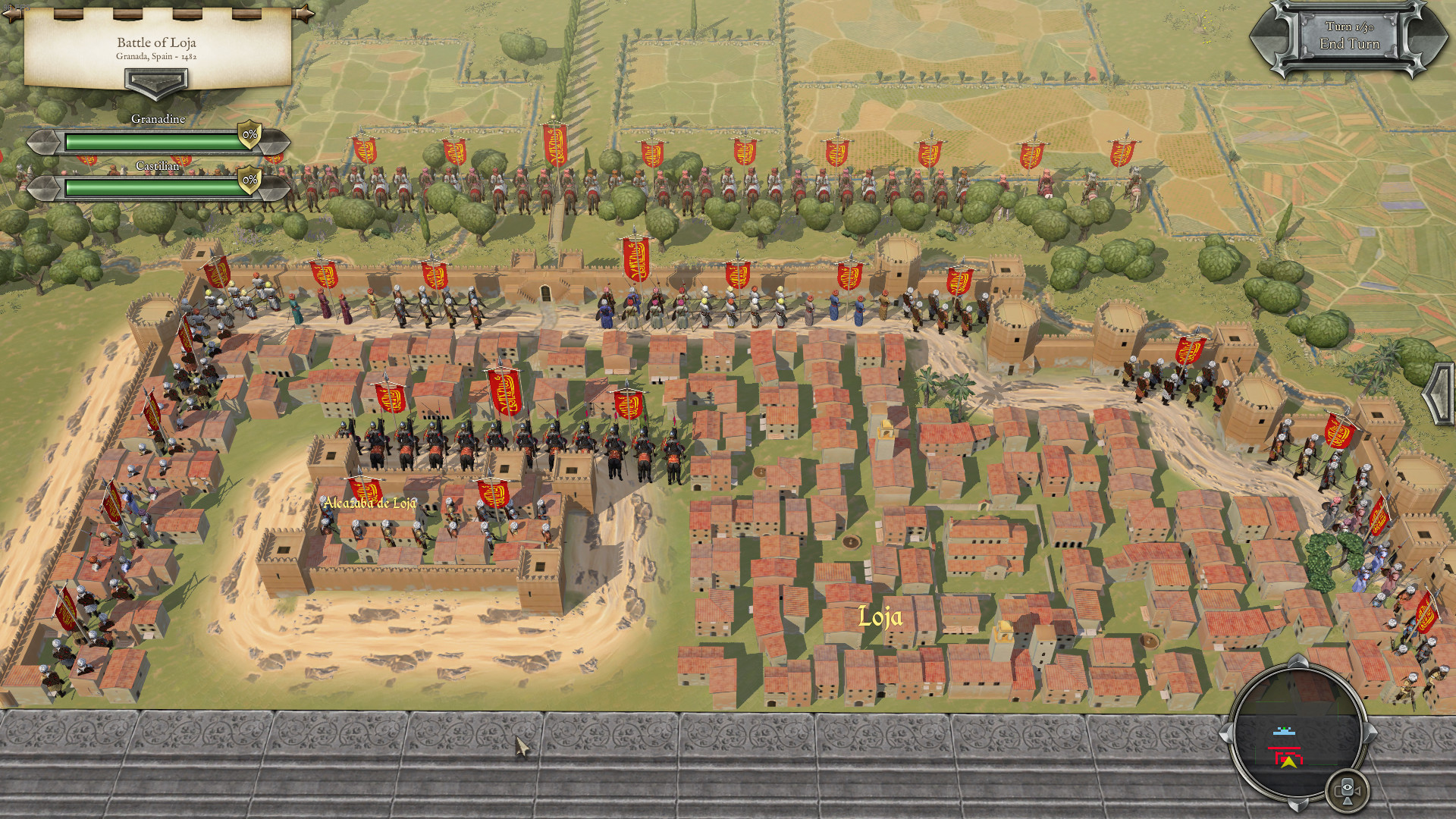
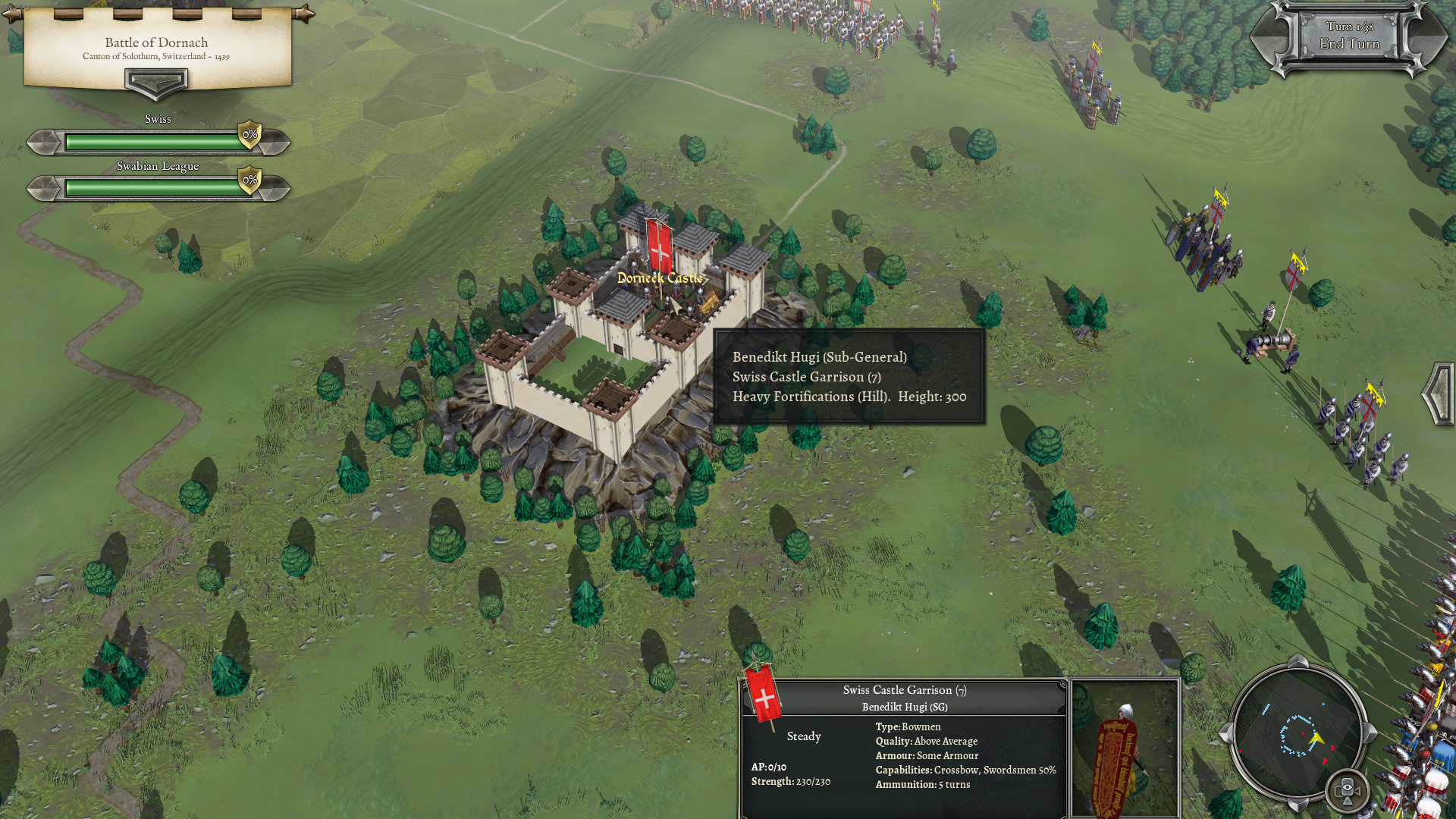
- 8 more historical scenarios covering key engagements of the period on an epic scale: Kutna Hora 1421, Towton 1461, Brunkeberg 1471, Grandson 1476, Loja 1482, Bosworth 1485, Fornovo 1495, Dornach 1499.
- 41 more historical matchups added to Quick Battle mode, increasing the total to 239, most playable from either side.
- 4 more historically-based campaigns covering major leaders and conflicts of the era: Rise of the Swiss, Hussite Wars, Charles the Bold, Louis XI.
- Sandbox campaign expanded to include all the new army lists, allowing you to lead any nation (and their historical allies) against any other nation (and their allies) – giving over eighty thousand permutations.
- Time Warp modules expanded to include the new army lists.
Contenido
Tráileres y capturas de la página de la tienda

Juegos como Field of Glory II: Medieval - Rise of the Swiss
Etiquetas en común, no la misma serie.








Field of Glory II: Medieval - Rise of the Swiss: historial de precios y ofertas actuales
Field of Glory II: Medieval - Rise of the Swiss para PC se vende actualmente desde 7,39 € en tiendas autorizadas. Precio más bajo desde el 7 jul 2026: 7,39 €. Es un 50% menos que el precio de lista de 14,79 €.
Reseñas, duración y clasificación de Field of Glory II: Medieval - Rise of the Swiss
13 personas han valorado Field of Glory II: Medieval - Rise of the Swiss. 100% son positivas. Steam lo llama Positive. Brazil lo clasifica como 10+, señalado por Violência.
Preguntas frecuentes
Respondido con los propios datos de este juego. Donde no tengo nada, no digo nada.
¿Qué tal está el precio actual de Field of Glory II: Medieval - Rise of the Swiss?
¿Qué tiendas tienen Field of Glory II: Medieval - Rise of the Swiss?
¿Dónde comprar Field of Glory II: Medieval - Rise of the Swiss barato?
¿Merece la pena Field of Glory II: Medieval - Rise of the Swiss?
¿Qué clasificación por edad tiene Field of Glory II: Medieval - Rise of the Swiss?