El texto del producto se muestra en inglés porque no hay texto fuente disponible en este idioma.
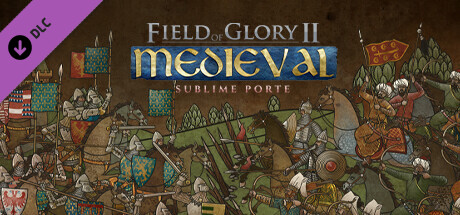
Field of Glory II: Medieval - Sublime Porte

Buenas reseñas, con un 100 % positivas. El precio actual está cerca de su mínimo registrado.
Por qué este veredicto
Memoria de precios
Datos de tiendas oficiales para esta región · ES
- Precio oficial actual 7,39 €
- Precio habitual 14,79 €
- Mínimo registrado 7,39 €
- Comparación con las ofertas habituales No registrado
- Intervalos de oferta observados de 16,1 a 16,1 días · mediana de 16,1 días
- Muestra de intervalos 1
- Periodo observado del 7 jul 2026 al 23 jul 2026 · 16,1 días
- Confianza baja
Ofertas
Precios de tiendas oficiales y comparaciones de keyshops identificadas
Informar de un problema
Historial de precios
Historial de precios aceptados y mínimos registrados
Paquetes y lotes
- Field of Glory II: Medieval - Complete -58% Desde 38,46 €
Acerca de este juego
El juego, contado por quienes lo desarrollaron
At the end of the thirteenth century, with the Seljuk Sultanate of Rum in terminal decline, Anatolia was divided into several small independent Turkish principalities, called beyliks.
At the end of the thirteenth century, with the Seljuk Sultanate of Rum in terminal decline, Anatolia was divided into several small independent Turkish principalities, called beyliks. One of these beyliks, bordering the Orthodox Christian Byzantine Empire, was led by Osman I. Osman's tiny state would gradually expand over the next two hundred years to become one of the world's great empires, known to posterity as the Ottoman (Osmanli) Empire, after their first leader.
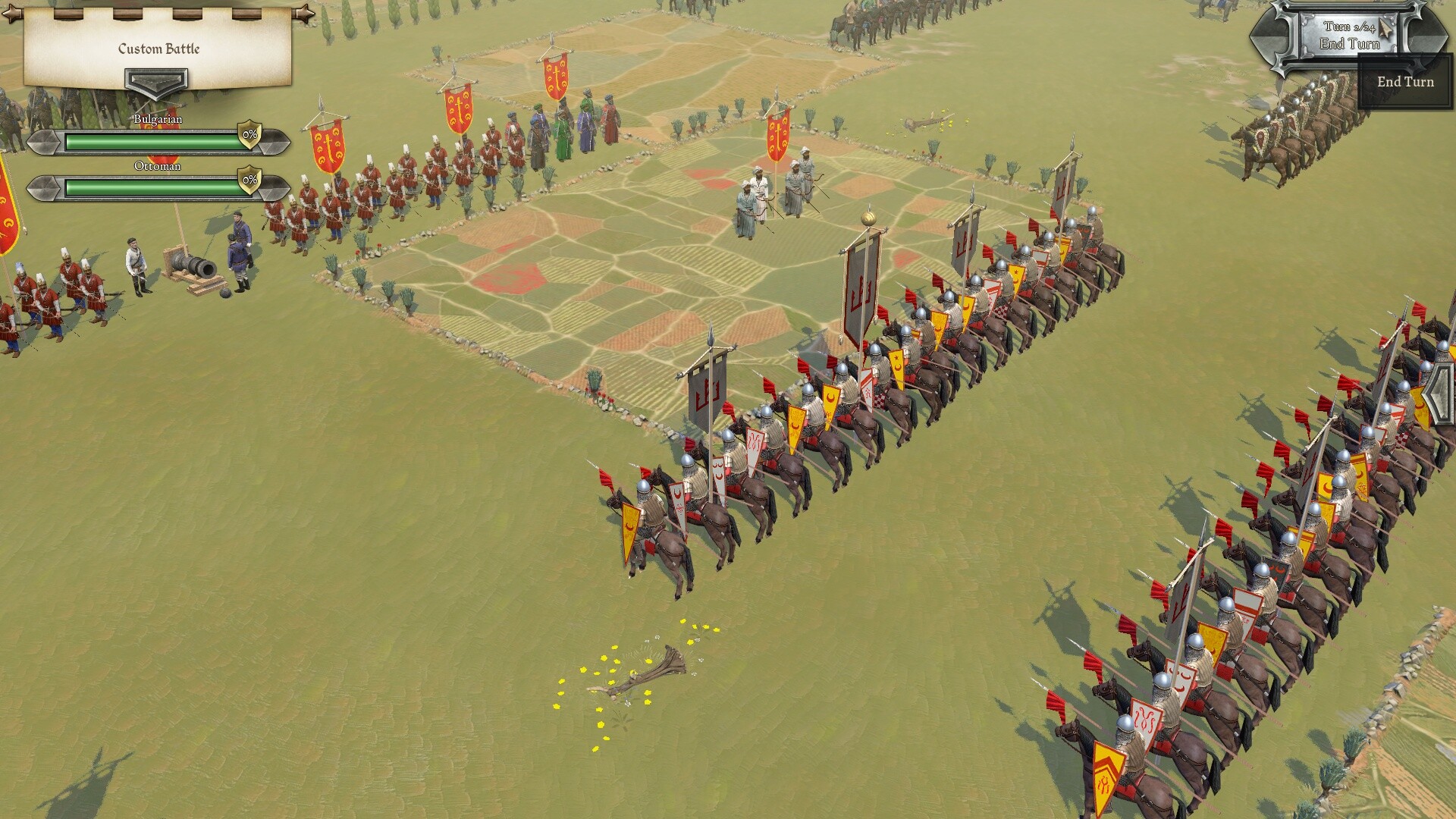
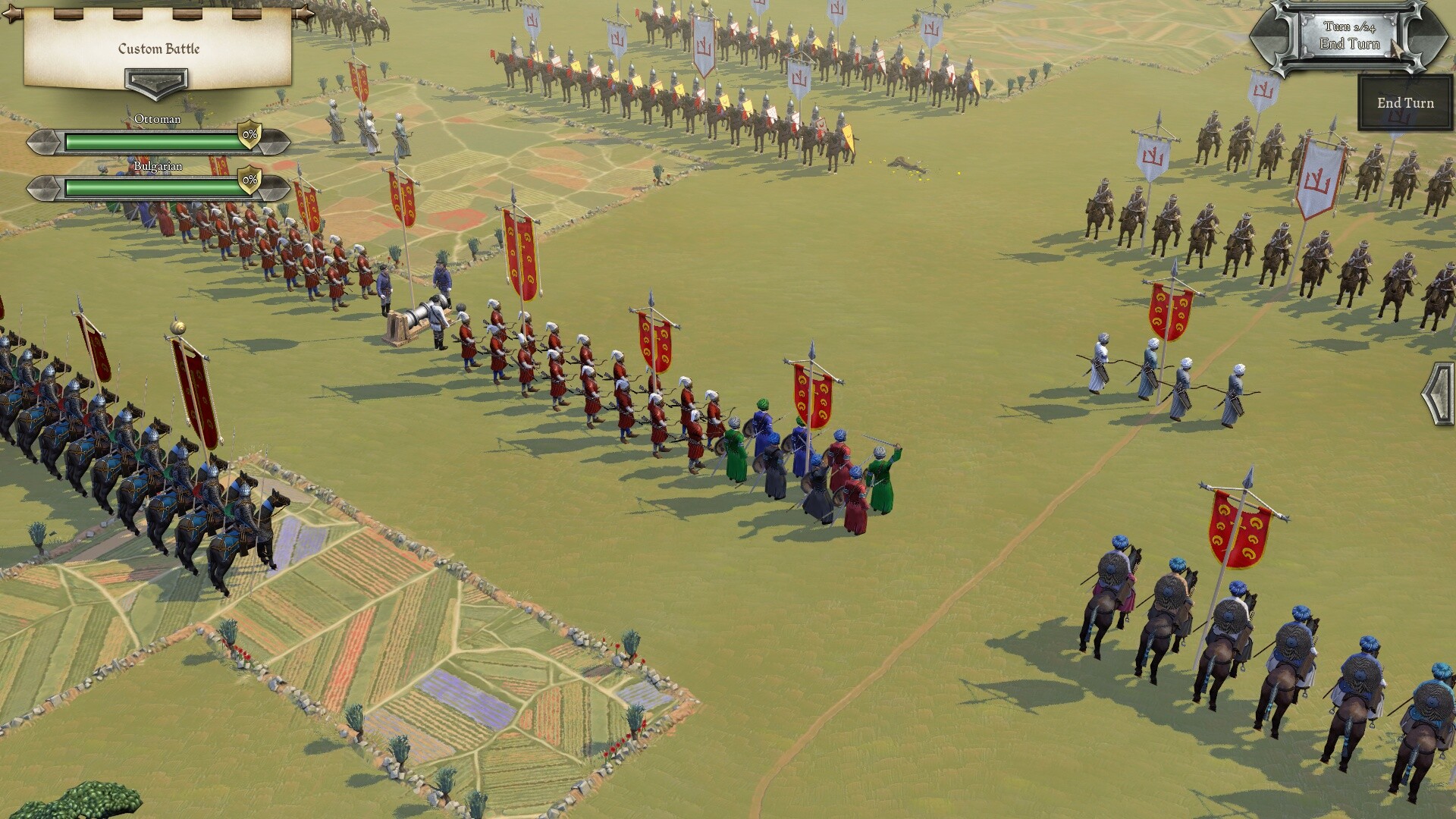
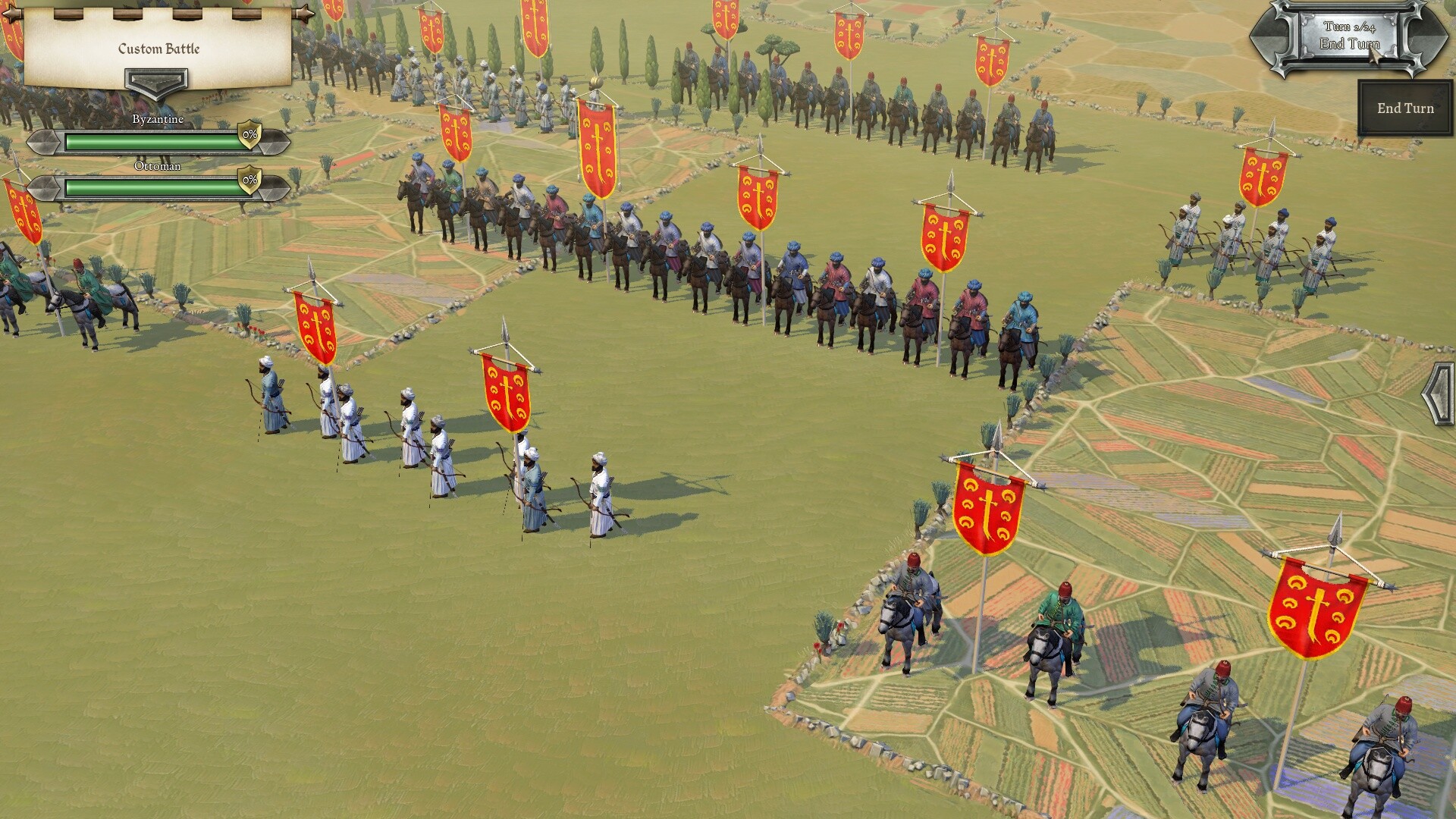
At first the Ottomans battled against the Byzantines for control of the local Anatolian cities, but in 1354 they seized their first European territory when they took Gallipoli. This brought them into conflict with the other Balkan Christian states, including Serbia, Bulgaria, Hungary, Wallachia, Moldavia and Albania. The Ottomans were generally victorious in these wars for the next fifty years, resulting in them becoming the dominant Balkan power. Their advances led to the Battle of Nicopolis in 1396, where a western crusade met with disaster. In the east, most of Anatolia had been conquered from the other Turkic beyliks.
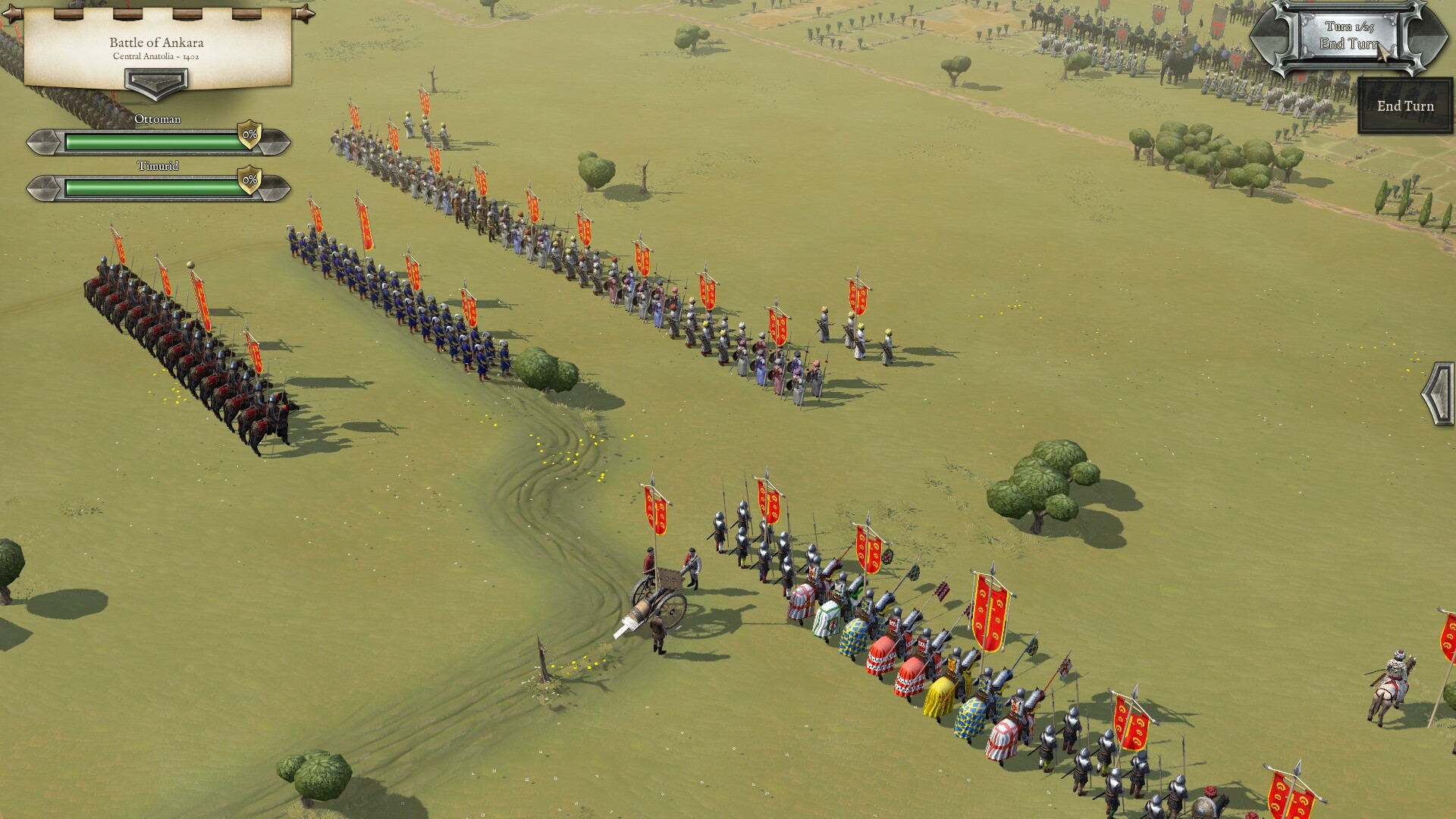
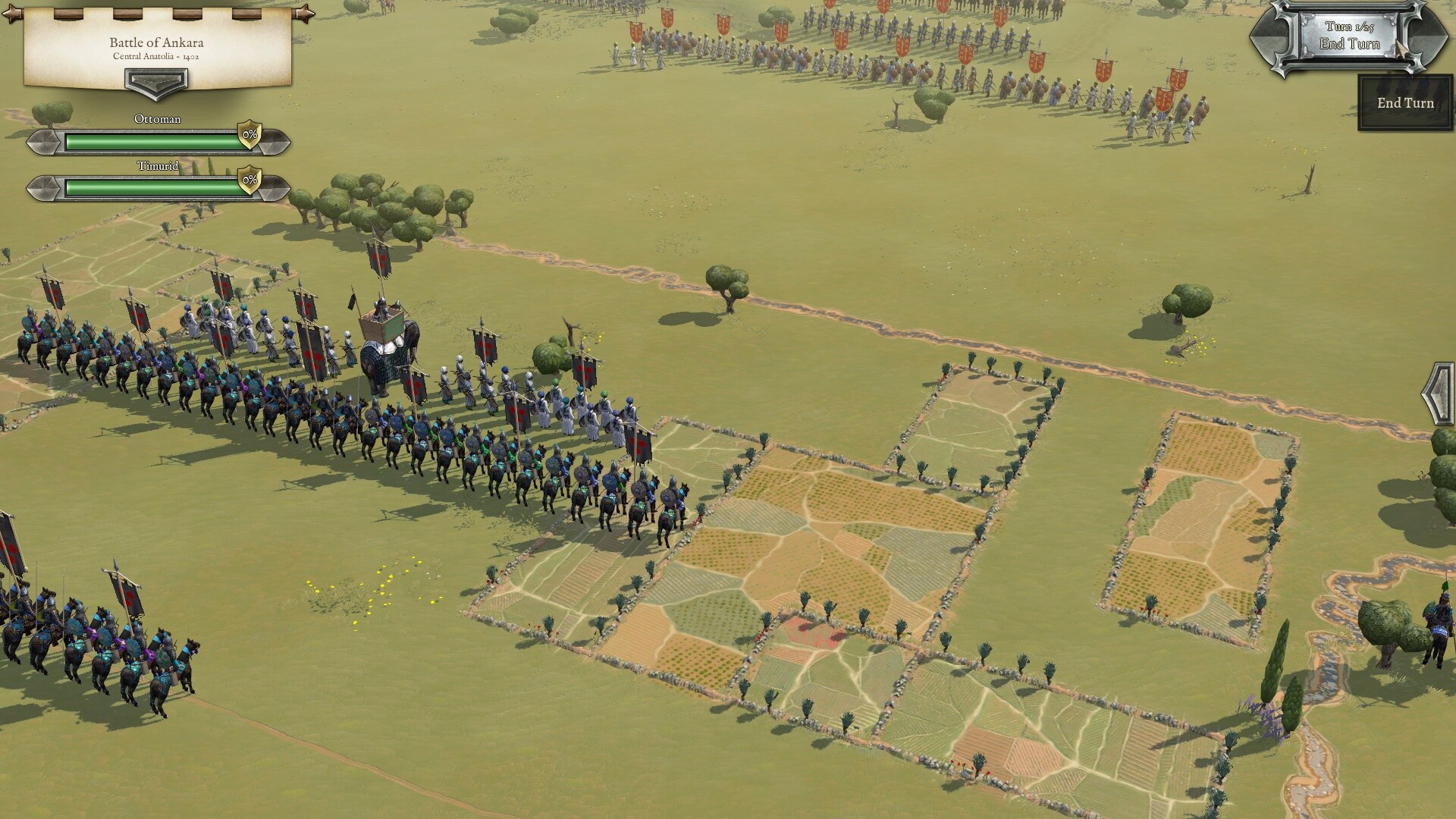
This run of success was briefly interrupted in 1402 when the Turco-Mongol conqueror Timur defeated the Ottomans at the Battle of Ankara. With Sultan Bayezid I captured, and dying in captivity the following year, the empire was thrown into a chaotic civil war between Bayezid’s sons, with order only being restored in 1413 when Mehmed I became Sultan.
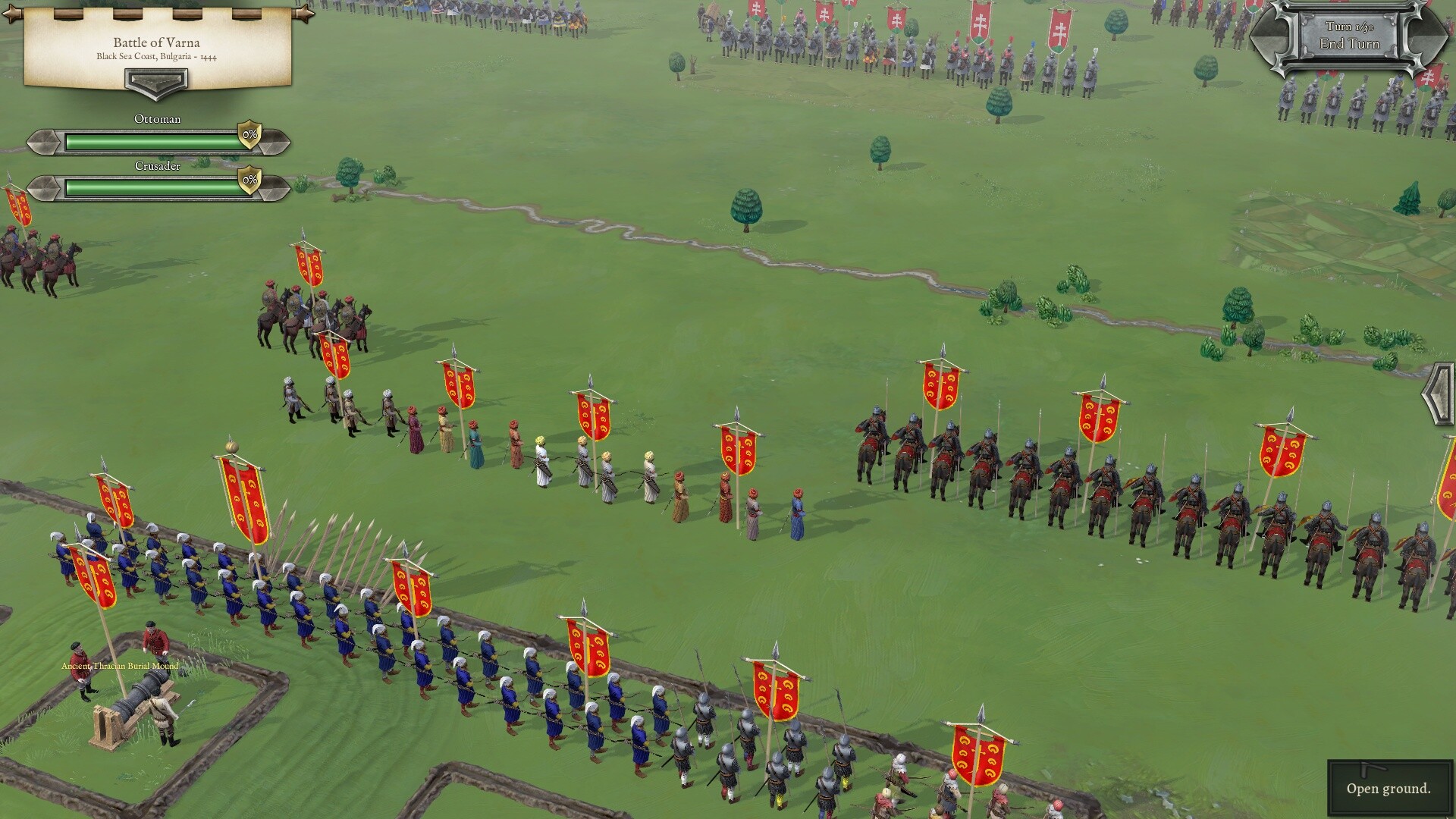
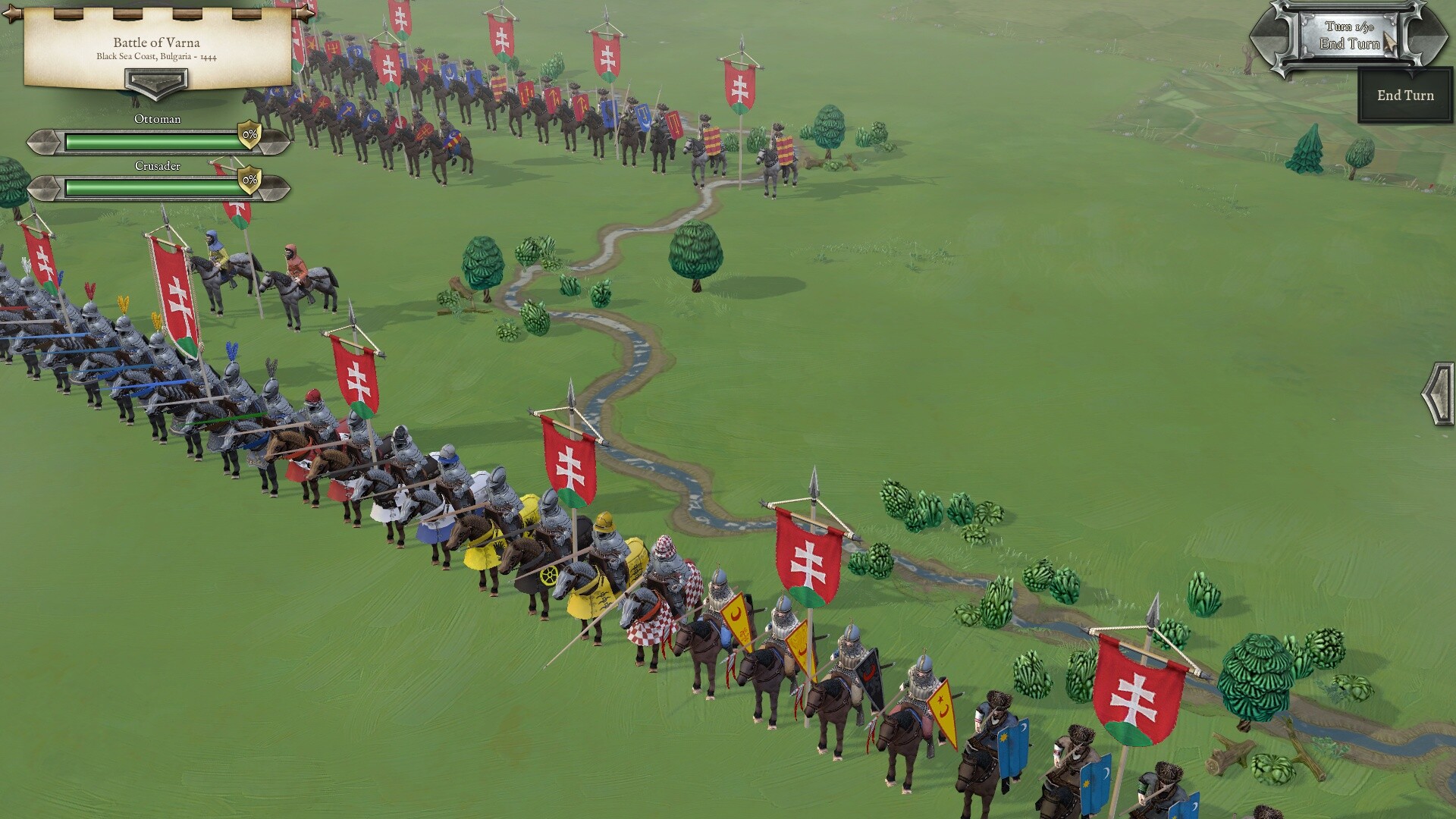
The conquests resumed, and another Crusade was defeated at Varna in 1444. Finally, the Turks conquered the great city of Constantinople in 1453, making it the Ottoman capital. A number of brilliant Balkan leaders rose during the 15th century to challenge Ottoman hegemony; John Hunyadi and his son, Matthias Corvinus of Hungary, the Albanian hero Skanderbeg, Stephen the Great of Moldavia, and the Wallachian Voivode Vlad Țepeș 'The Impaler'. Despite the many victories of these men, however, by the end of the fifteenth century the Ottomans were the dominant power in the eastern Mediterranean.
Timur was born in 1336 into a noble family in the Turco-Mongol Barlas confederation in Transoxiana (in modern-day Uzbekistan). Rising to control Transoxiana by 1370, he went on to create the Timurid Empire in modern Central Asia, Afghanistan and Iran. Never defeated in battle, he won victories against the Golden Horde, the Delhi Sultanate, the Ottomans and the Mamluks, becoming the most powerful ruler in the Islamic world. His defeat of the Ottomans at Ankara in 1402 set back Ottoman expansion by several decades. His empire fragmented soon after his death in 1405, but his great-great grandson Babur created the Mughal Empire in India - which was to last until 1857.
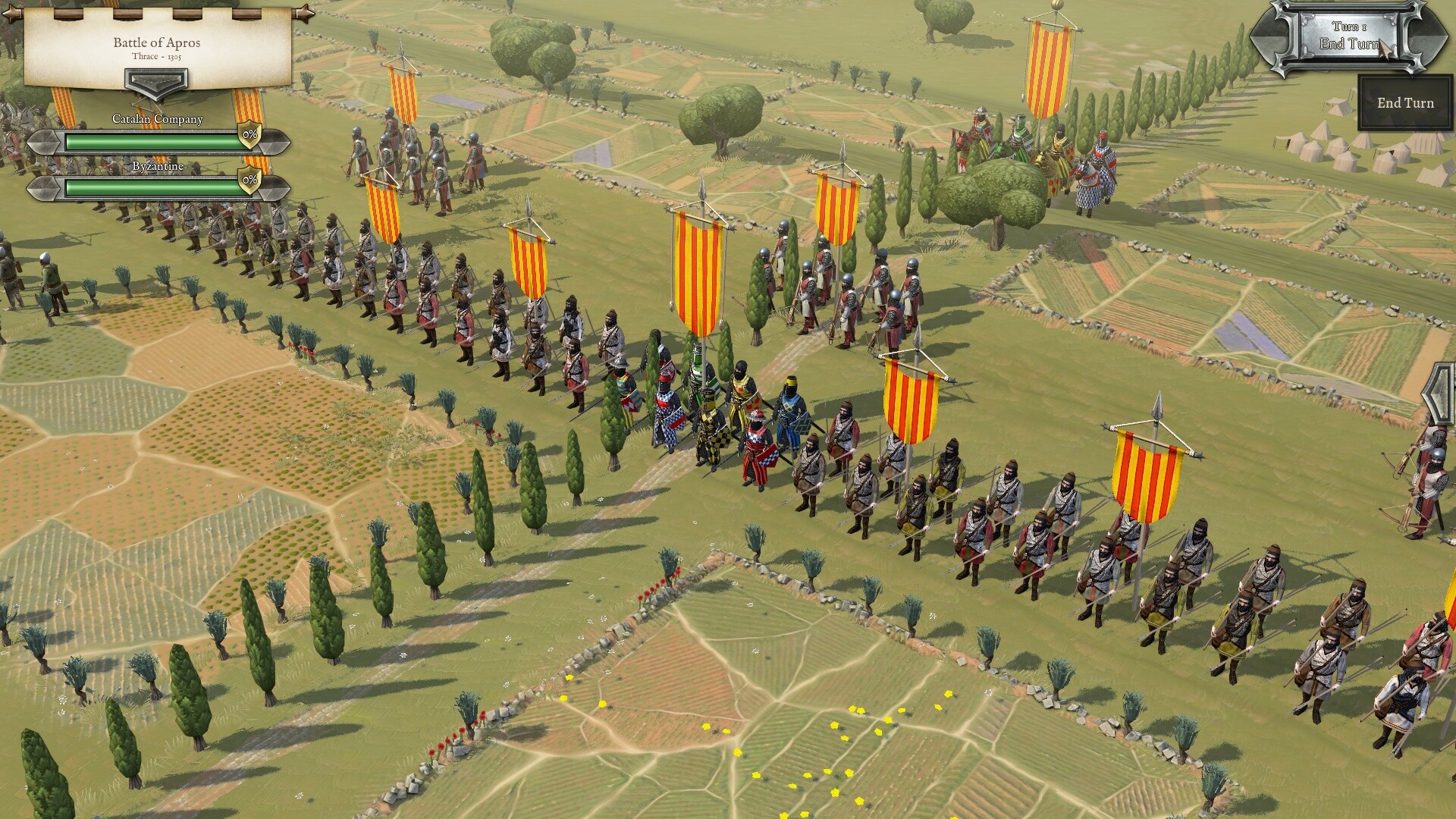
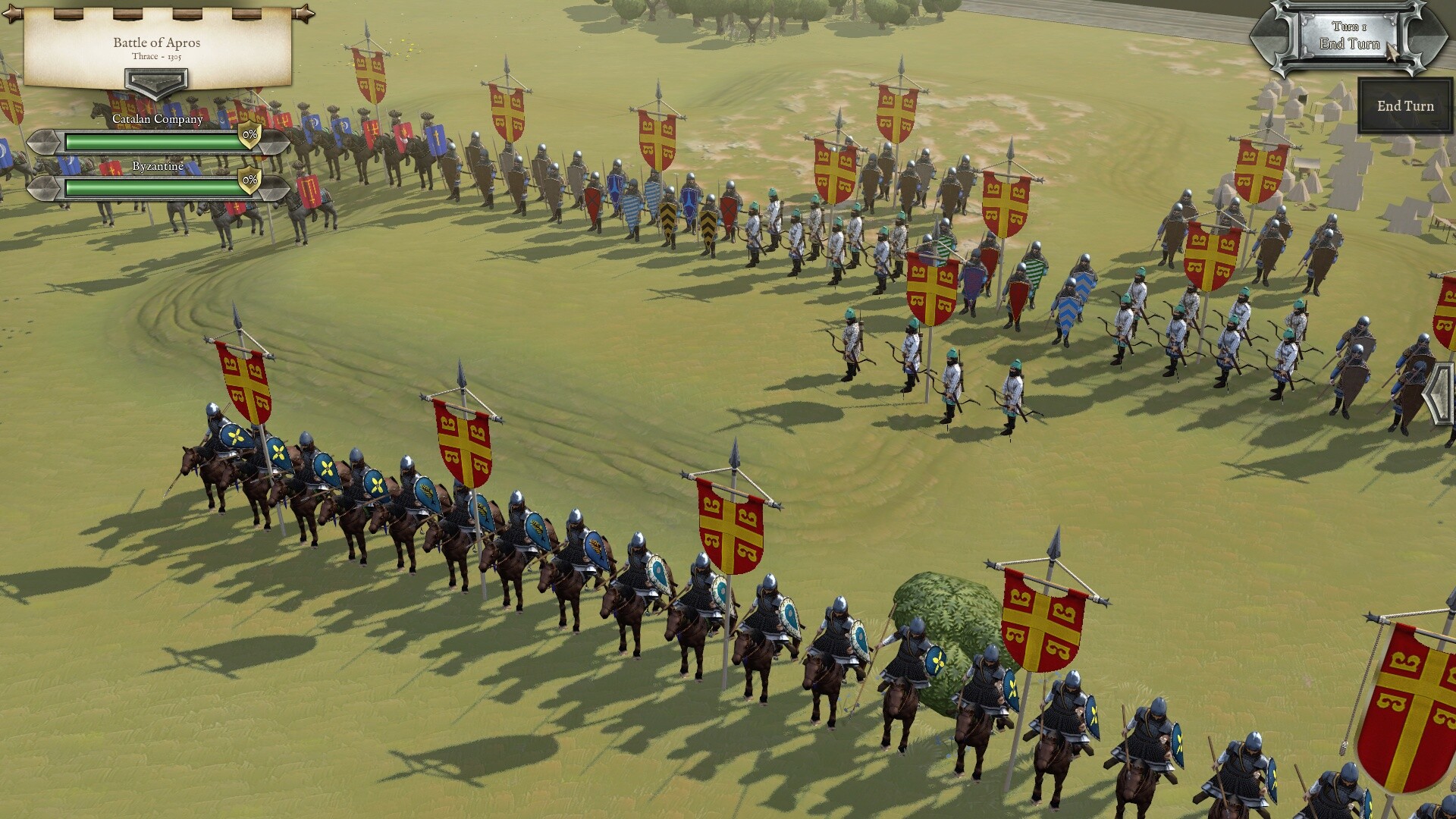
The Catalan Company was formed from almughavar and other unemployed veterans of the War of the Sicilian Vespers in Sicily. In 1302 the Company was hired by the Byzantine Emperor Andronikos II to combat the Anatolian Turkish beyliks. Over the next two years the Company was so successful against the Turks, and so rapacious in its treatment of Byzantine civilians, that the Byzantines became alarmed and had the Company’s leaders treacherously murdered. Thereafter the Company fought the Byzantines and their mercenary Alan allies in Thrace. In 1308, the Company moved to Greece, where in 1310 it entered the service of Gautier V de Brienne, Duke of Athens, and rapidly defeated his enemies. He, however, failed to pay the agreed amount for their services, leading to his defeat and death at the Battle of Halmyros in 1311. This left the Company in control of the Duchy of Athens, which it ruled until 1388.
- Additional coverage for the following nations and factions from 1260 to 1500 AD: Albanians, Anatolian Turcomans, Black Sheep Turcomans, Bulgarians, Byzantines (Central, Epiros, Trebizond and Morea), Catalan Company, Chagatai Khanate, Kingdom of Cyprus, Georgians, Indians (Muslim, Rajput, Hindu and Vijayanagaran Empire), Islamic Persians, Jalayirid Sultanate, Latin Greece, Mamluk Egyptians, Moldavians, Navarrese Company, Order of St John, Ottoman Turks, Serbians, Timurids, Venetians, Wallachians and White Sheep Turcomans.
- 22 new units.
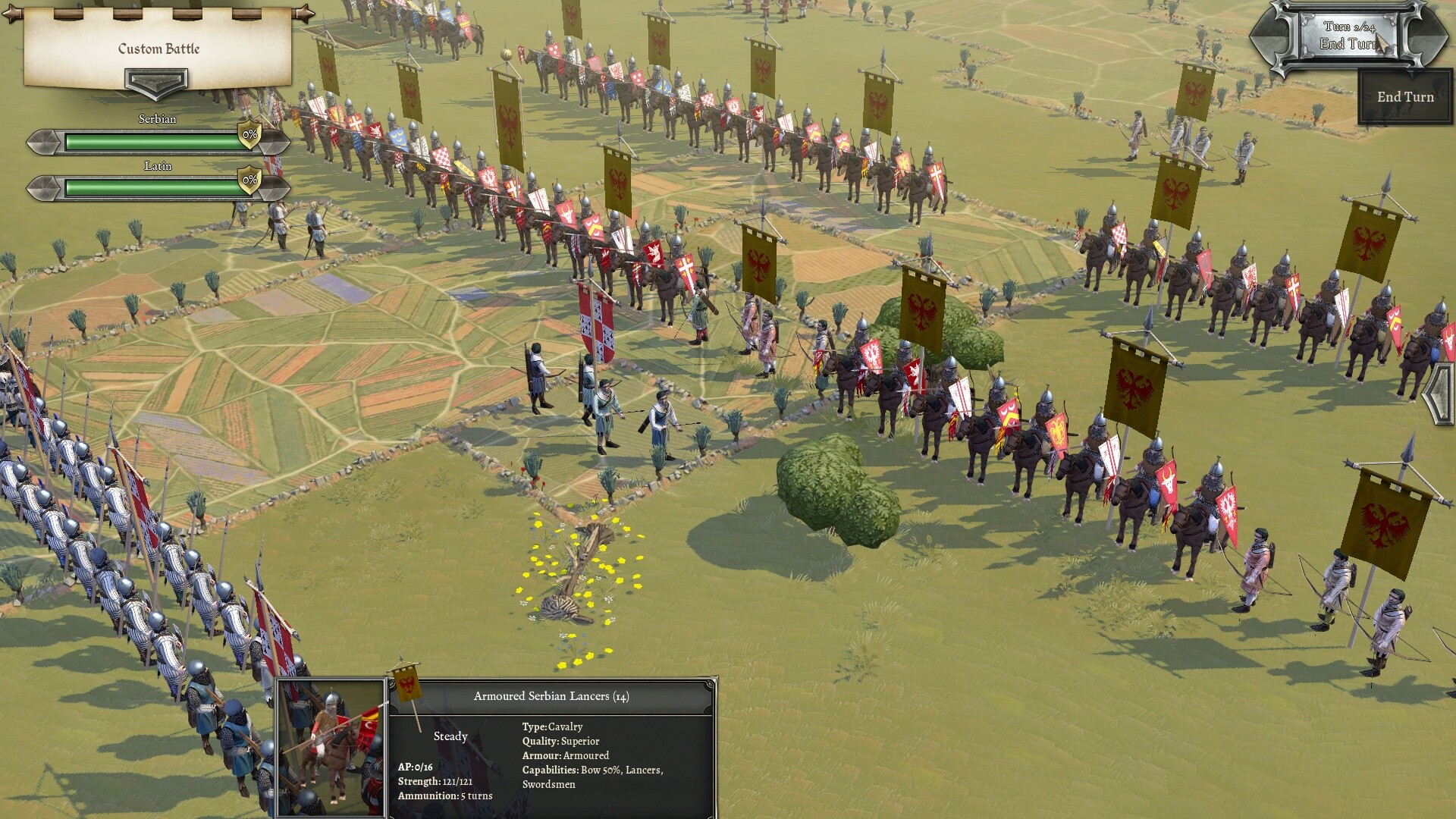
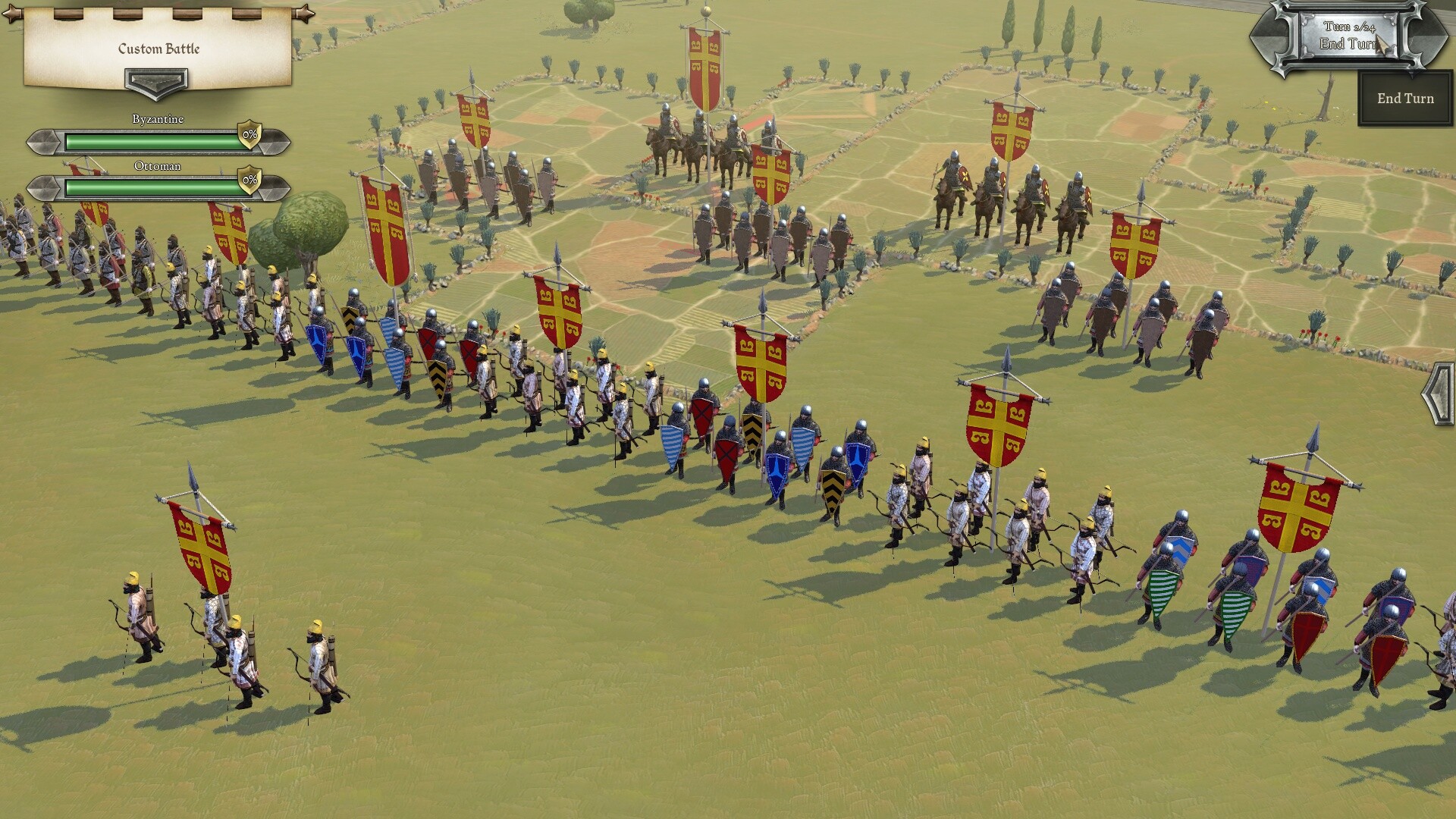
- 62 more army lists allowing historically realistic armies for each of the above factions and their allies at different dates during the period, and bringing the total number of Medieval army lists to 361. In addition armies can include contingents from historical allies. This gives hundreds of thousands of permutations. You will never run out of new matchups to try.
o Albanian 1443-1478 AD
o Anatolian Turcoman 1260-1379 AD
o Anatolian Turcoman 1380-1500 AD
o Black Sheep Turcoman 1350-1467 AD
o Bulgarian 1320-1395 AD
o Byzantine (Central) 1262-1399 AD
o Byzantine (Epiros) 1262-1319 AD
o Byzantine (Epiros) 1320-1359 AD
o Byzantine (Morea) 1349-1460 AD
o Byzantine (Trebizond) 1262-1359 AD
o Byzantine (Trebizond) 1360-1399 AD
o Byzantine (Trebizond) 1400-1461 AD
o Catalan Company 1302-1304 AD
o Catalan Company 1305-1319 AD
o Catalan Company 1320-1379 AD
o Catalan Company 1380-1388 AD
o Chagatai Khanate 1338-1500 AD
o Crusade of Nicopolis 1396 AD
o Cypriot 1291-1319 AD
o Cypriot 1320-1414 AD
o Cypriot 1415-1474 AD
o Cypriot 1475-1489 AD
o Georgian 1300-1500 AD
o Indian (Hindu South) 1336-1500 AD
o Indian (Muslim) 1340-1469 AD
o Indian (Muslim) 1470-1500 AD
o Indian (Rajput) 1340-1500 AD
o Indian (Vijayanagara) 1336-1399 AD
o Indian (Vijayanagara) 1400-1469 AD
o Indian (Vijayanagara) 1470-1500 AD
o Islamic Persian 1245-1393 AD
o Jalayirid 1336-1432 AD
o Latin Greece 1320-1432 AD
o Mamluk Egyptian 1340-1399 AD
o Mamluk Egyptian 1400-1489 AD
o Mamluk Egyptian 1490-1500 AD
o Moldavian 1359-1399 AD
o Moldavian 1400-1429 AD
o Moldavian 1430-1500 AD
o Navarrese Company 1375-1382 AD
o Navarrese Company 1383-1394 AD
o Navarrese Company 1395-1402 AD
o Order of St John 1292-1319 AD
o Order of St John 1320-1399 AD
o Order of St John 1400-1449 AD
o Order of St John 1450-1500 AD
o Ottoman Turkish 1299-1361 AD
o Ottoman Turkish 1362-1429 AD
o Ottoman Turkish 1430-1500 AD
o Serbian 1320-1344 AD
o Serbian 1345-1379 AD
o Serbian 1380-1459 AD
o Timurid 1360-1398 AD
o Timurid 1399-1469 AD
o Timurid 1470-1500 AD
o Venetian (Colonial) 1440-1500 AD
o Wallachian 1330-1399 AD
o Wallachian 1400-1429 AD
o Wallachian 1430-1500 AD
o White Sheep Turcoman 1402-1469 AD
o White Sheep Turcoman 1470-1500 AD
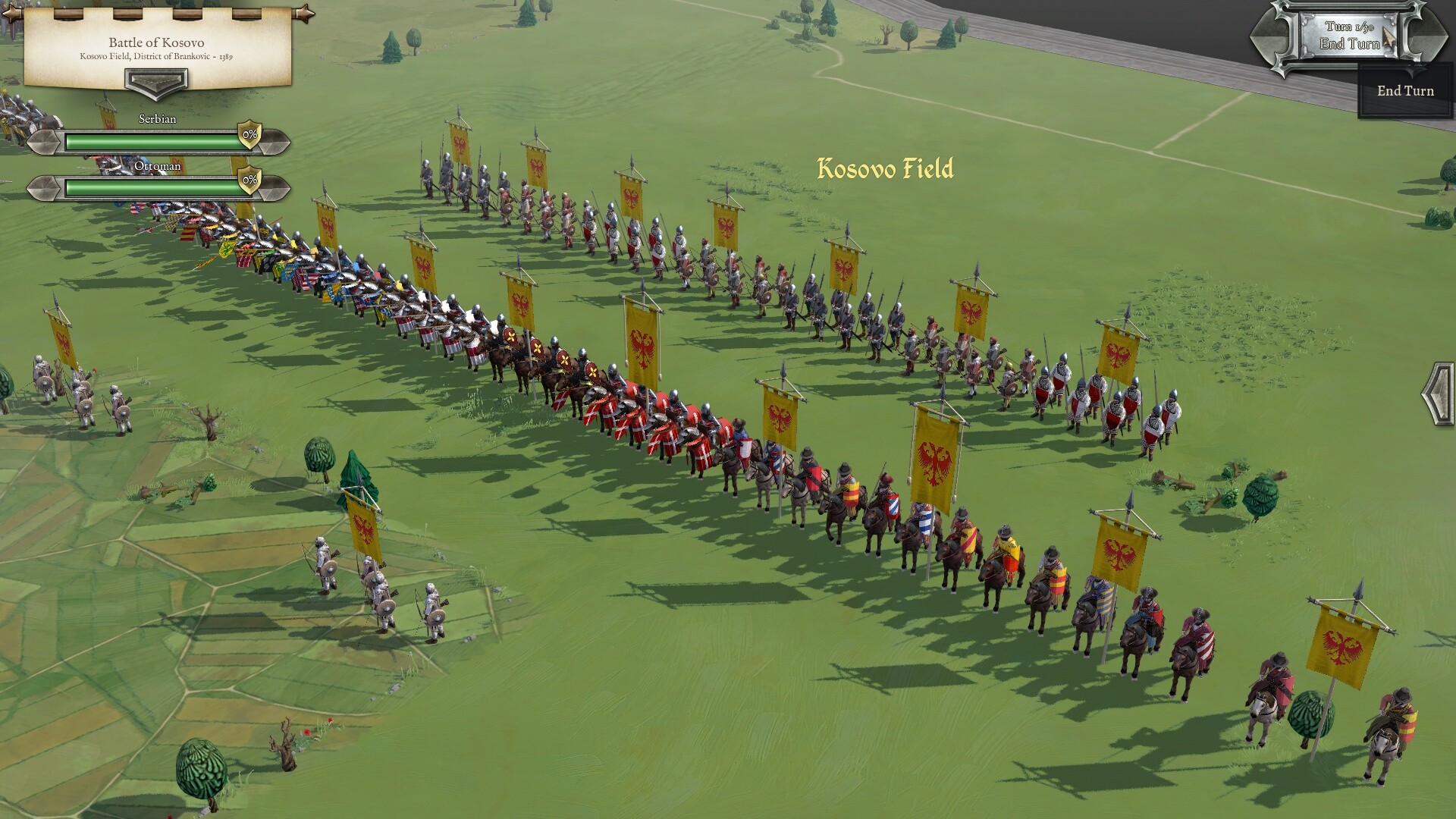
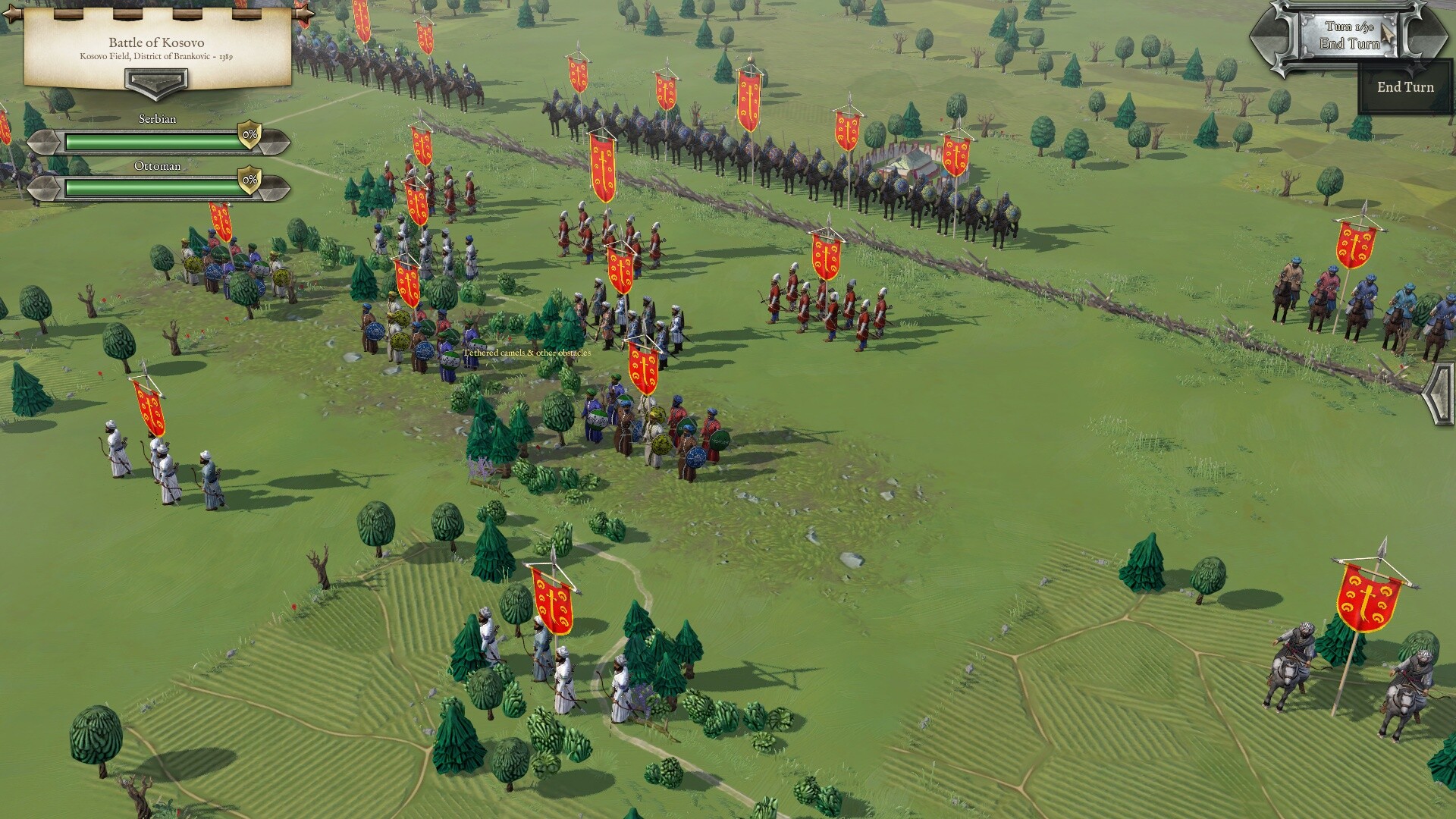
- 8 more historical scenarios covering key engagements of the period on an epic scale: Apros 1305, Saint George 1320, Kosovo 1389, Ankara 1402, Varna 1444, Târgoviște 1462, Krujë 1467, Vaslui 1475.
- 63 more historical matchups added to Quick Battle mode, increasing the total to 302, most playable from either side.
- 5 more historically-based campaigns covering major leaders and conflicts of the era: Rise of the Ottomans Part 1, Rise of the Ottomans Part 2, Catalan Company, Timur, Matthias Corvinus.
- Sandbox campaign expanded to include all the new army lists, allowing you to lead any nation (and their historical allies) against any other nation (and their allies) – giving over a hundred thousand permutations.
- Time Warp modules expanded to include the new army lists.
Contenido
Tráileres y capturas de la página de la tienda
Juegos como Field of Glory II: Medieval - Sublime Porte
Etiquetas en común, no la misma serie.









Field of Glory II: Medieval - Sublime Porte: historial de precios y ofertas actuales
Field of Glory II: Medieval - Sublime Porte para PC se vende actualmente desde 7,39 € en tiendas autorizadas. Precio más bajo desde el 7 jul 2026: 7,39 €. Es un 50% menos que el precio de lista de 14,79 €.
Reseñas, duración y clasificación de Field of Glory II: Medieval - Sublime Porte
7 personas han valorado Field of Glory II: Medieval - Sublime Porte. 100% son positivas. Steam lo llama 7 user reviews. Brazil lo clasifica como 10+, señalado por Violência.
Preguntas frecuentes
Respondido con los propios datos de este juego. Donde no tengo nada, no digo nada.
¿Qué tal está el precio actual de Field of Glory II: Medieval - Sublime Porte?
¿Qué tiendas tienen Field of Glory II: Medieval - Sublime Porte?
¿Dónde comprar Field of Glory II: Medieval - Sublime Porte barato?
¿Merece la pena Field of Glory II: Medieval - Sublime Porte?
¿Qué clasificación por edad tiene Field of Glory II: Medieval - Sublime Porte?