El texto del producto se muestra en inglés porque no hay texto fuente disponible en este idioma.
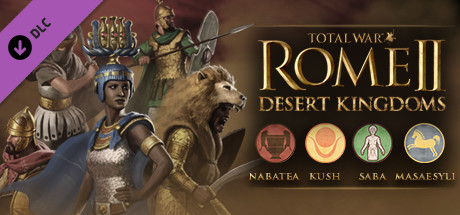
Total War: ROME II - Desert Kingdoms Culture Pack

No hay descuento ahora mismo.
Por qué este veredicto
Memoria de precios
Datos de tiendas oficiales para esta región · ES
- Precio oficial actual 8,99 €
- Precio habitual 8,99 €
- Mínimo registrado 3,05 €
- Comparación con las ofertas habituales No registrado
- Intervalos de oferta observados de 8,7 a 8,7 días · mediana de 8,7 días
- Muestra de intervalos 1
- Periodo observado del 7 jul 2026 al 16 jul 2026 · 8,7 días
- Confianza baja
Ofertas
Precios de tiendas oficiales y comparaciones de keyshops identificadas
Informar de un problema
Historial de precios
Historial de precios aceptados y mínimos registrados
Paquetes y lotes
- Total War: ROME II - Ultimate Edition Desde 99,36 €
Acerca de este juego
El juego, contado por quienes lo desarrollaron
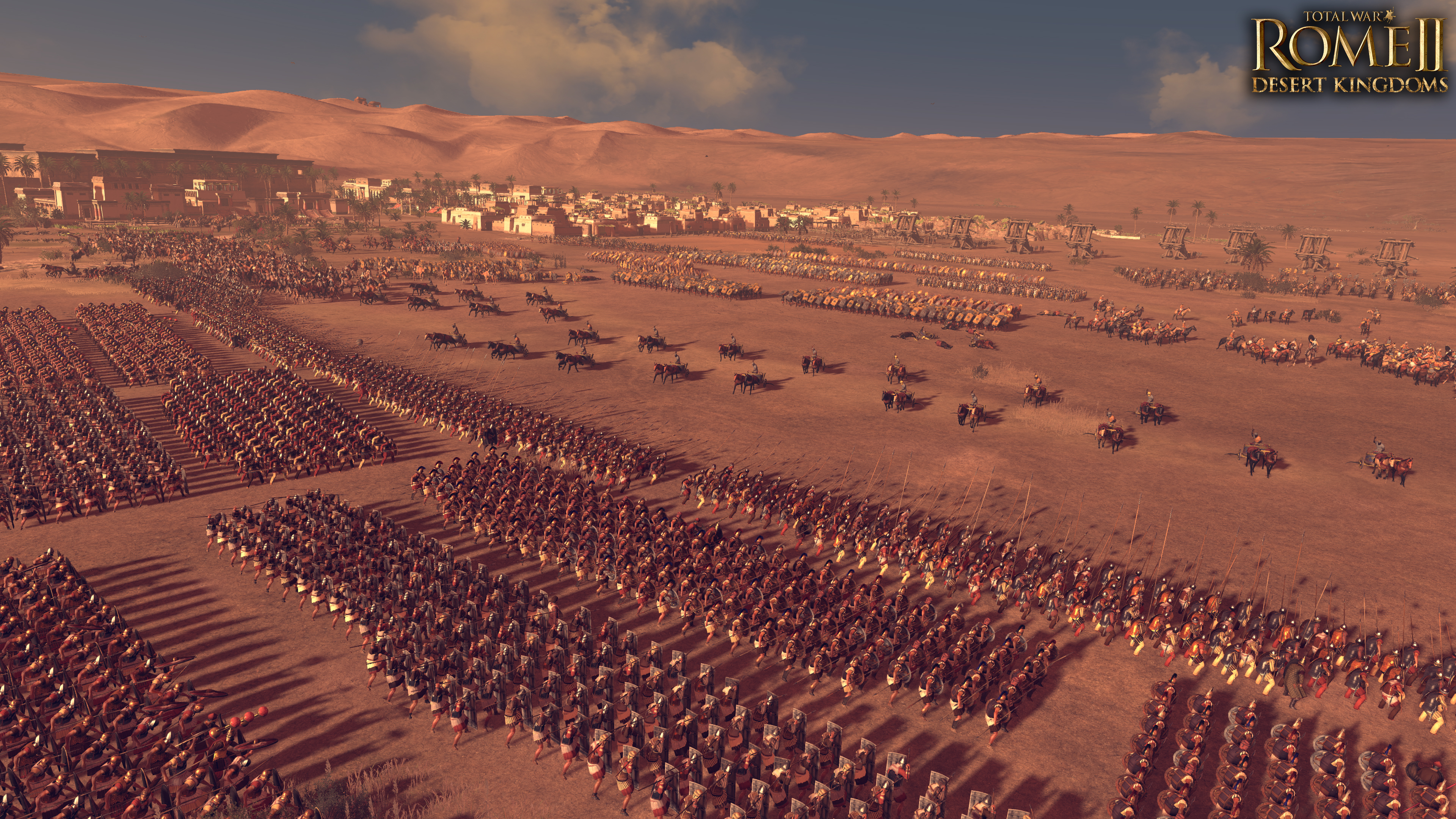
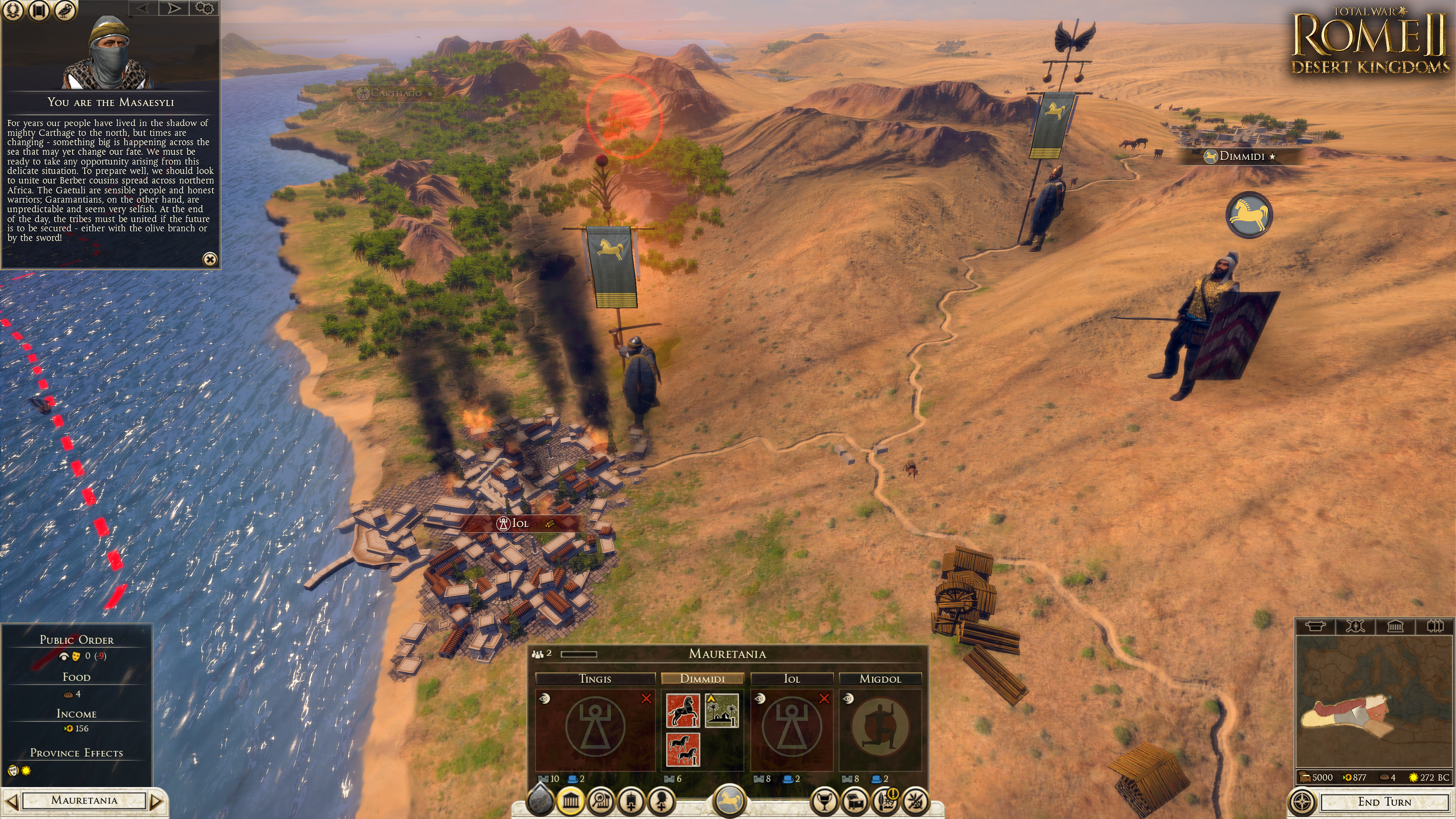
The Desert Kingdoms Culture Pack introduces four new playable factions to Total War: ROME II. The Kingdoms of Kush, Saba and Nabatea fall under the African/Arabian subculture, while the Masaesyli are of Numidian origin. These factions are native to the deserts of Africa and Arabia. Surviving these harsh environmental conditions has forged them into hardy warriors who use the shifting desert sands to their advantage in battle.
The Desert Kingdoms Culture Pack introduces four new playable factions to Total War: ROME II. The Kingdoms of Kush, Saba and Nabatea fall under the African/Arabian subculture, while the Masaesyli are of Numidian origin.
These factions are native to the deserts of Africa and Arabia. Surviving these harsh environmental conditions has forged them into hardy warriors who use the shifting desert sands to their advantage in battle.
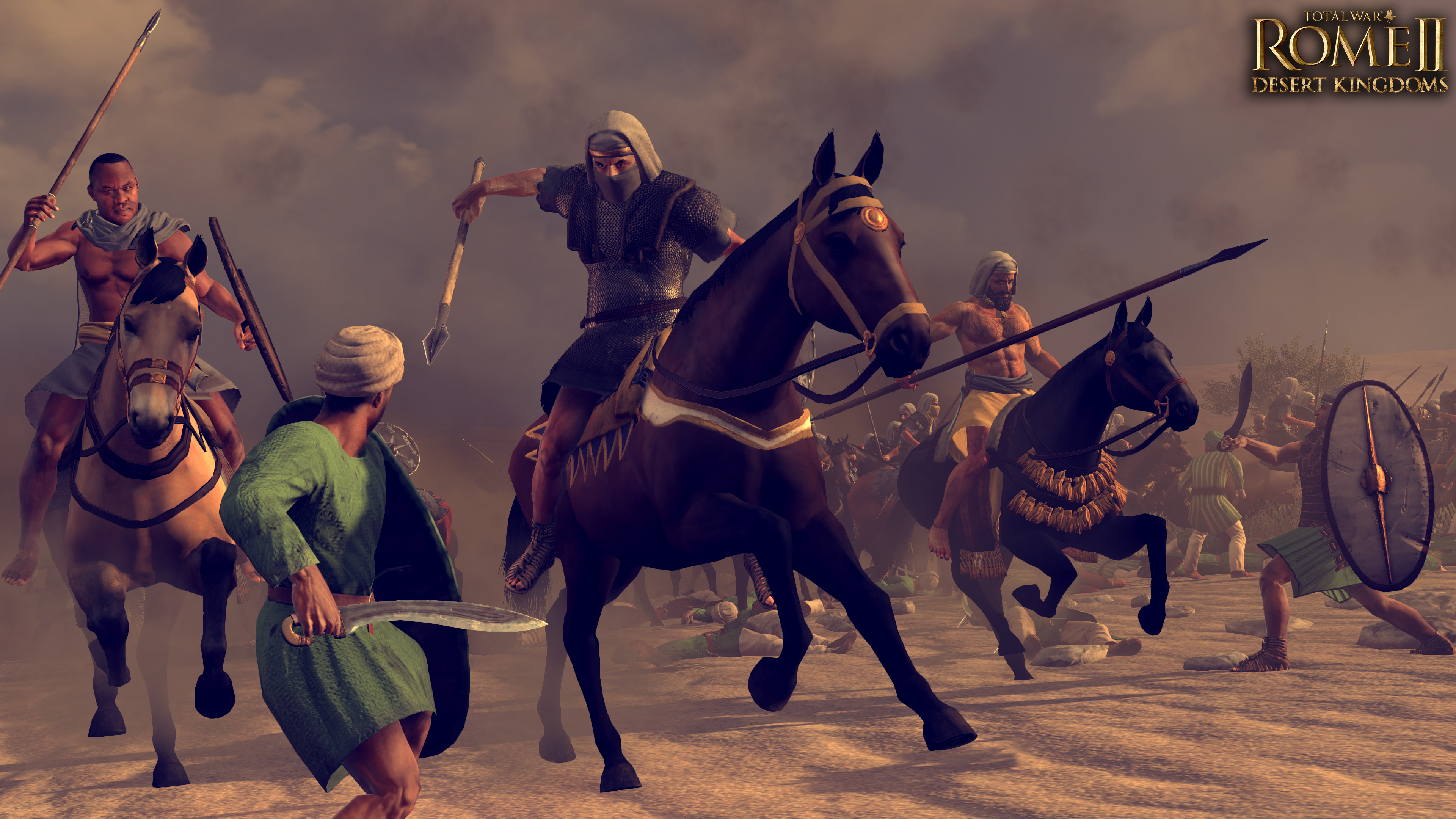
While culturally similar, each faction boasts unique new unit rosters which offer different military strengths. Each faction also has new building chains and technology trees, playing to their strengths and further differentiating their playstyles.
Alongside their individual Faction Traits, the Desert Kingdoms all share the following Cultural Traits:
Desert Warriors: +10% morale for all units during battles in the desert
Deep-rooted Traditions: Penalty to research rate
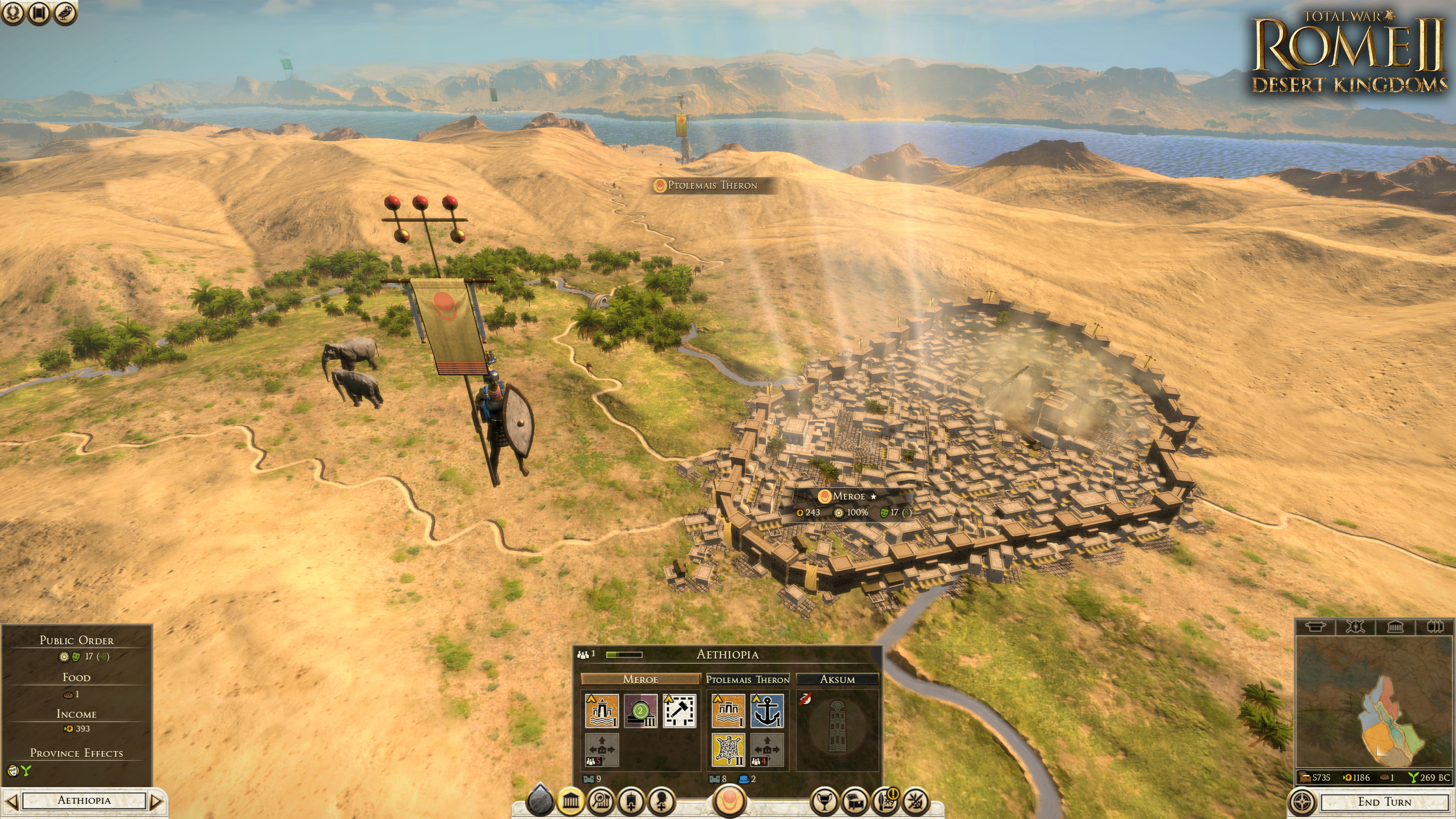
Meroe (The Kingdom of Kush)
A major regional power with vast resources derived from its trade in gold, jewels and exotic hides, Kush has been overshadowed by its more powerful and famous northern neighbour, Egypt.
In the early 3rd century BC, king Ergamenes decided to wrest power away from the priests of Amun, and moved the capital from Napata to Meroe. The priests would no longer decide the fate of the kings and queens.
The shift of capital also marked something of a break from Egyptian culture with Hellenistic, Indian, Persian and African influences making their way through the trade routes. The kings and warrior queens would sit on the throne and rule with authority and conviction to protect the riches of Nubia. Even the Romans could not conquer Meroe, and preferred to trade instead.
A regional powerhouse with a surfeit of natural treasures and fertile land, Kush is well equipped to prosper and once again vie for power against the mightiest empires in the world.
Key Features:
- Affinity for Egyptian/Hellenistic culture
- Higher probability of female characters in politics
- Trading kingdom (ivory, exotic hides, iron, gold)
Faction Traits:
- Disciplined Workforce: Bonus income from slaves, reduction in slave decline, Reduced Public Order penalty from slaves.
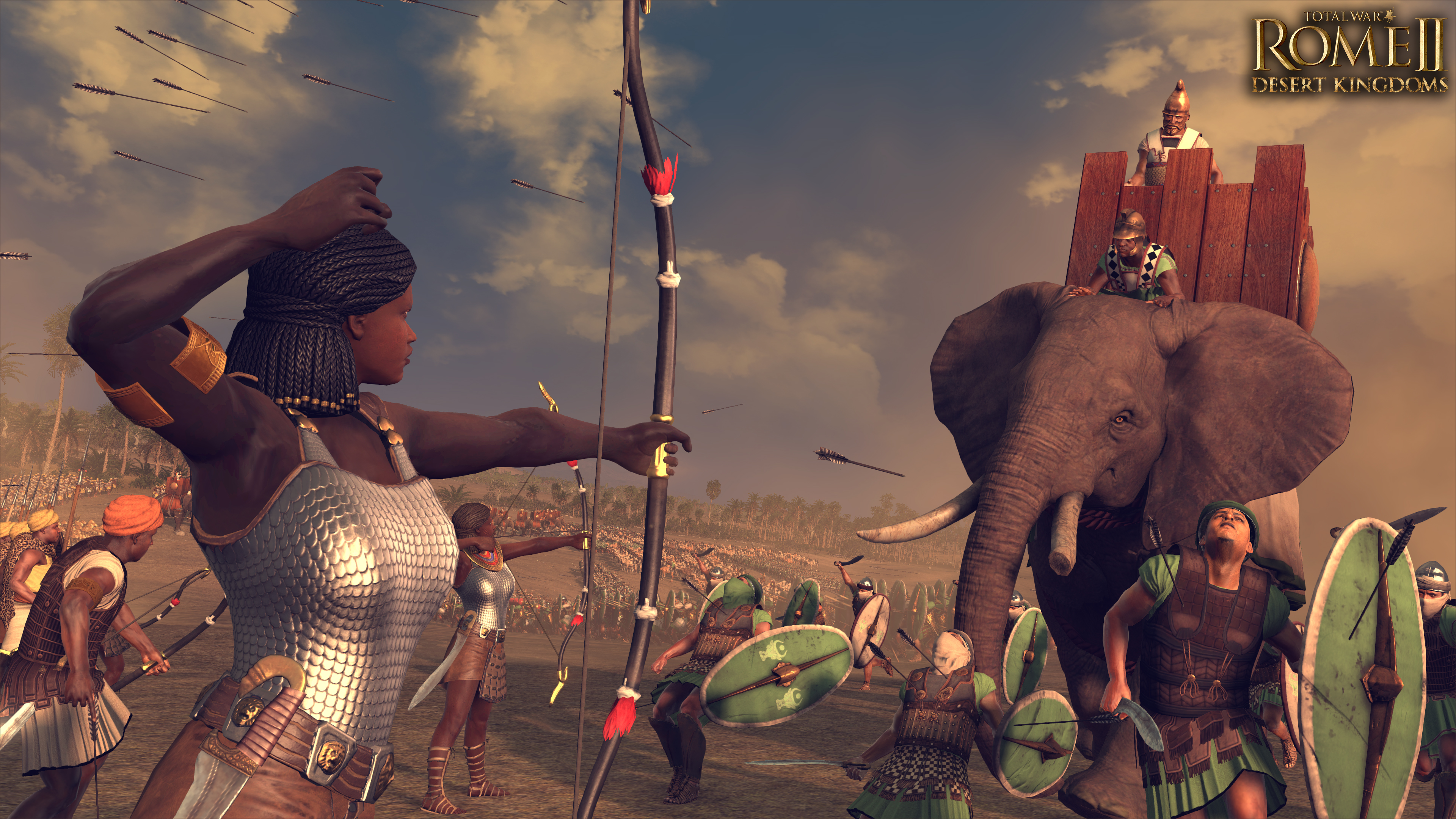
- The Land of the Bow: cheaper, better archer units.
Kush Unit Roster:
Melee Infantry:
T1: Slave InfantryT2: Swordsmen
T2: Kushite Slave Infantry
T3: Shotel Warriors
T4: Armoured Shotel Warriors
T4: Disciples of Apedemak
Spear Infantry:
T1: Nubian SpearmenT2: Kushite Slave Spearmen
T3: Leopard Warriors
Pike Infantry:
T2: Kushite PikesMissile Infantry:
T1: TribesmenT1: Slave Slingers
T2: Nubian Bowmen
T2: Archers
T3: Kushite Archers
T4: Royal Kushite Archers
Melee Cavalry:
T2: Aethiopian CavalryT2: Desert Cavalry
T3: Armoured Desert Cavalry
T4: Kushite Royal Guard
Special:
T2: Desert ChariotsT3: African Elephants
T4: African War Elephants
T4: Scythed Chariots
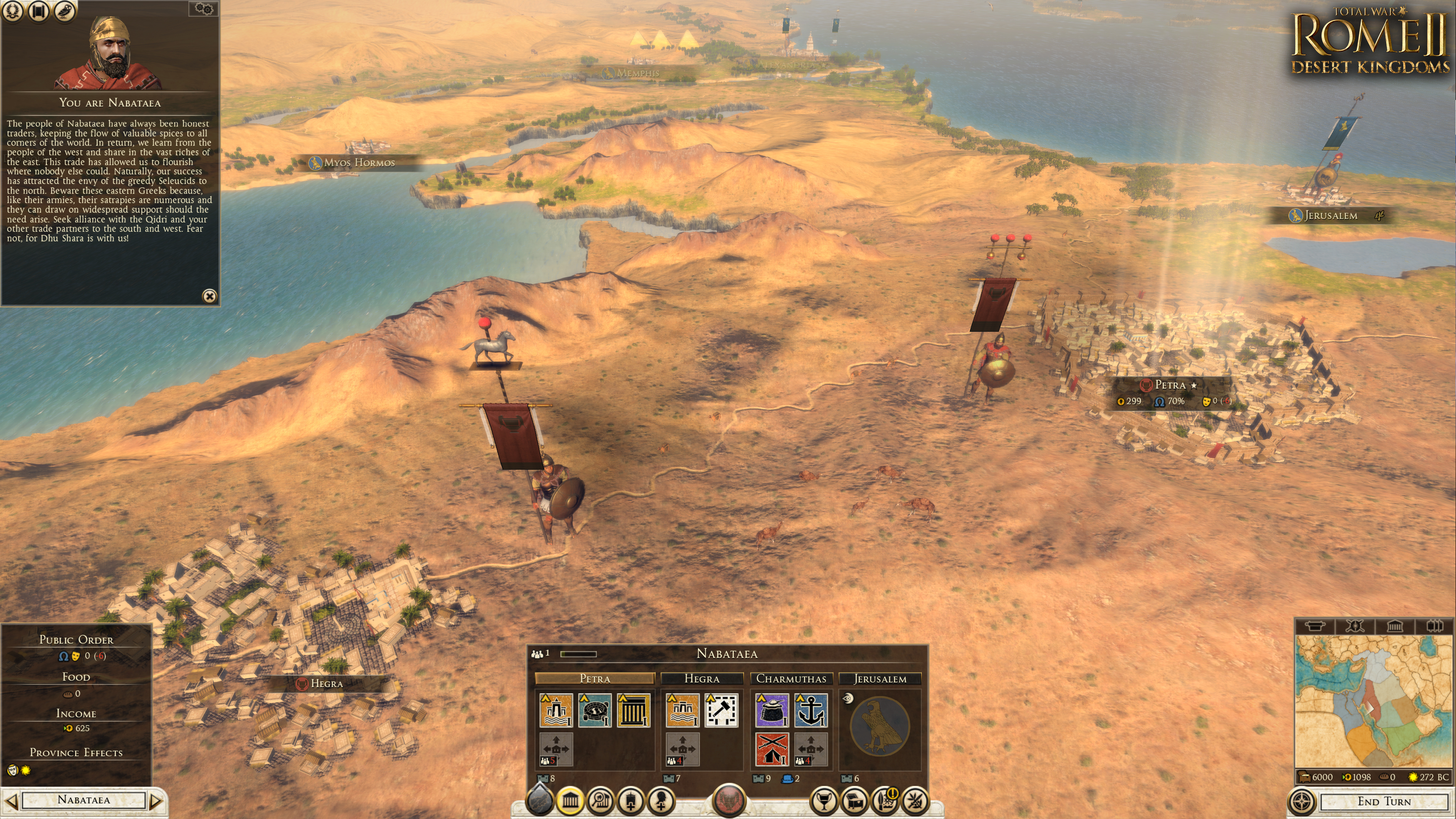
Nabatae
The Nabataeans were great builders and pioneers of advanced construction techniques. They were the first civilization to use cement extensively, and built remarkable watertight reservoirs, ensuring a plentiful supply of potable water. Even when under threat from powerful foes like the Seleucids and Judeans, their progressive society enabled them to flourish and prosper.
The Nabataeans were very literate and had a remarkable degree of gender equality for an ancient civilization, with women participating in both political and religious matters. Nabatae was an important crossroad for the spice trade, serving as a conduit between the southern kingdoms that produced frankincense and myrrh, and the wealthy eastern and western empires who were its primary buyers.
Preserving all this wealth at such a geographically strategic location demanded a well-trained military and a strong navy. Nabatae had both, bolstered by excellent engineering and exploitation of the surrounding environment, making their capital city of Petra a nigh-impregnable bastion.
Key Features:
- Hellenic influence: may recruit Hellenic-themed units for battle
- Silk road traders: Bonus to trade and diplomacy
- Skilled masons: bonuses to construction and fortification
- Friends of Rome: diplomatic bonus with Roman factions/allies
- Roman tactics: some native units may use Roman army formations/abilities
Faction Traits:
- Stonecutters: Faster, cheaper construction of main settlement-chain buildings
- Incense Traders: Bonus income from incense trade
Nabatae Unit Roster:
Melee Infantry:
T1: Desert LevyT2: Nabataean Swordsmen
T2: Nabataean Axe Warriors
T3: Noble Swordsmen
Spear Infantry:
T1: Levy SpearmenT2: Caravan Guard
T2: Desert Hoplites
T3: Armoured Desert Hoplites
T3: Heavy Desert Spearmen
T4: Rekem Palace Guard
Pike Infantry:
T2: Desert PikemenT3: Nabataean Thorax Pike
Missile Infantry:
T1: SlingersT1: Levy Skirmishers
T2: Tribespeople
T3 Nabataean Light Peltasts
T3: Nabataean Heavy Archers
Shock Cavalry:
T3: Desert Heavy LancersT4: Hellenic Desert Cataphracts
Melee Cavalry:
T1: Desert CavalryT2: Camel Spearmen
T2: Arabian Cavalry
T3: Armoured Desert Cavalry
T3: Nabataean Noble Cavalry
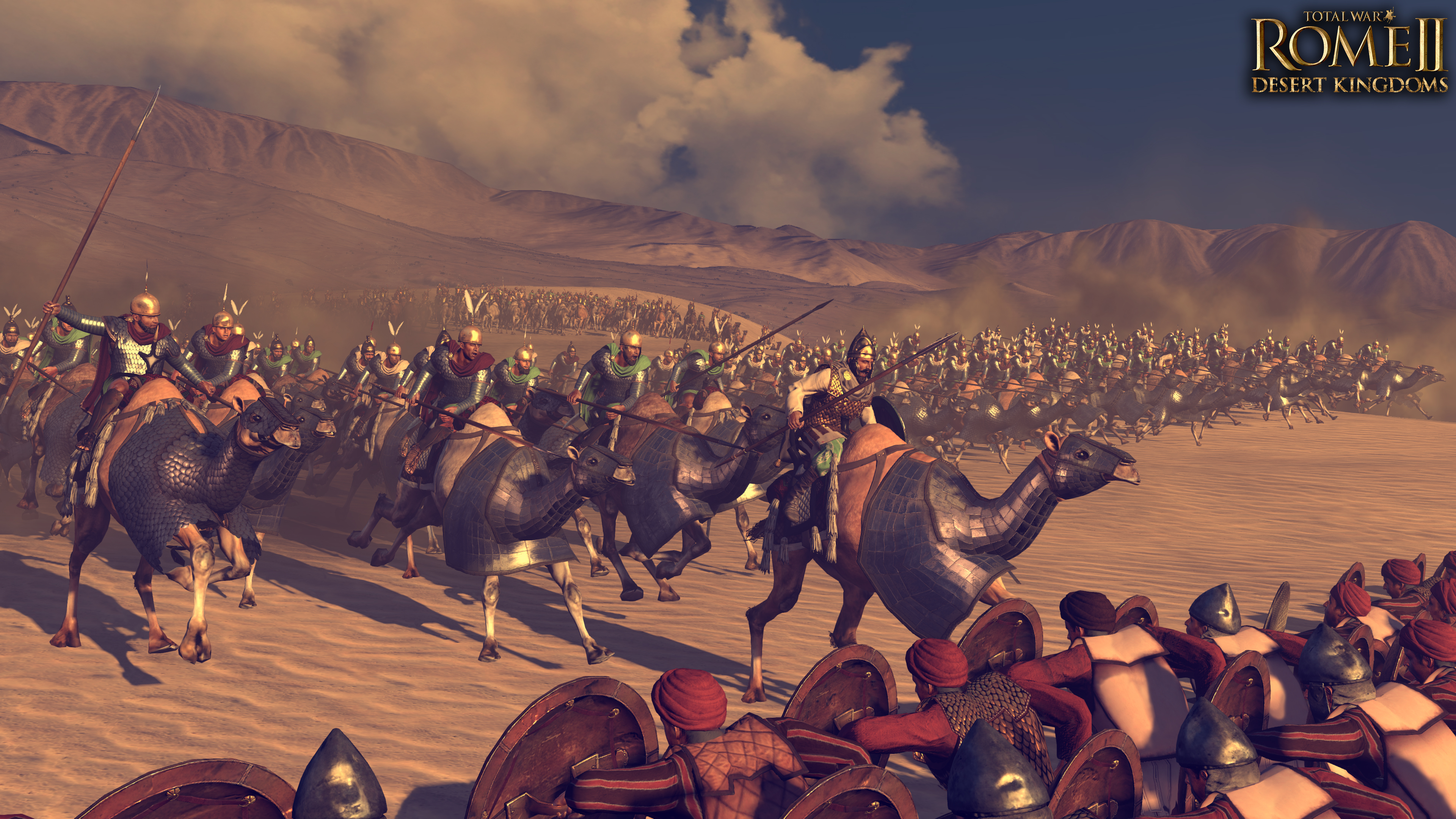
T3: Armoured Camel Spearmen
Missile Cavalry:
T2: Camel ArchersSpecial:
T2: Desert ChariotsT4: Scythed Chariots
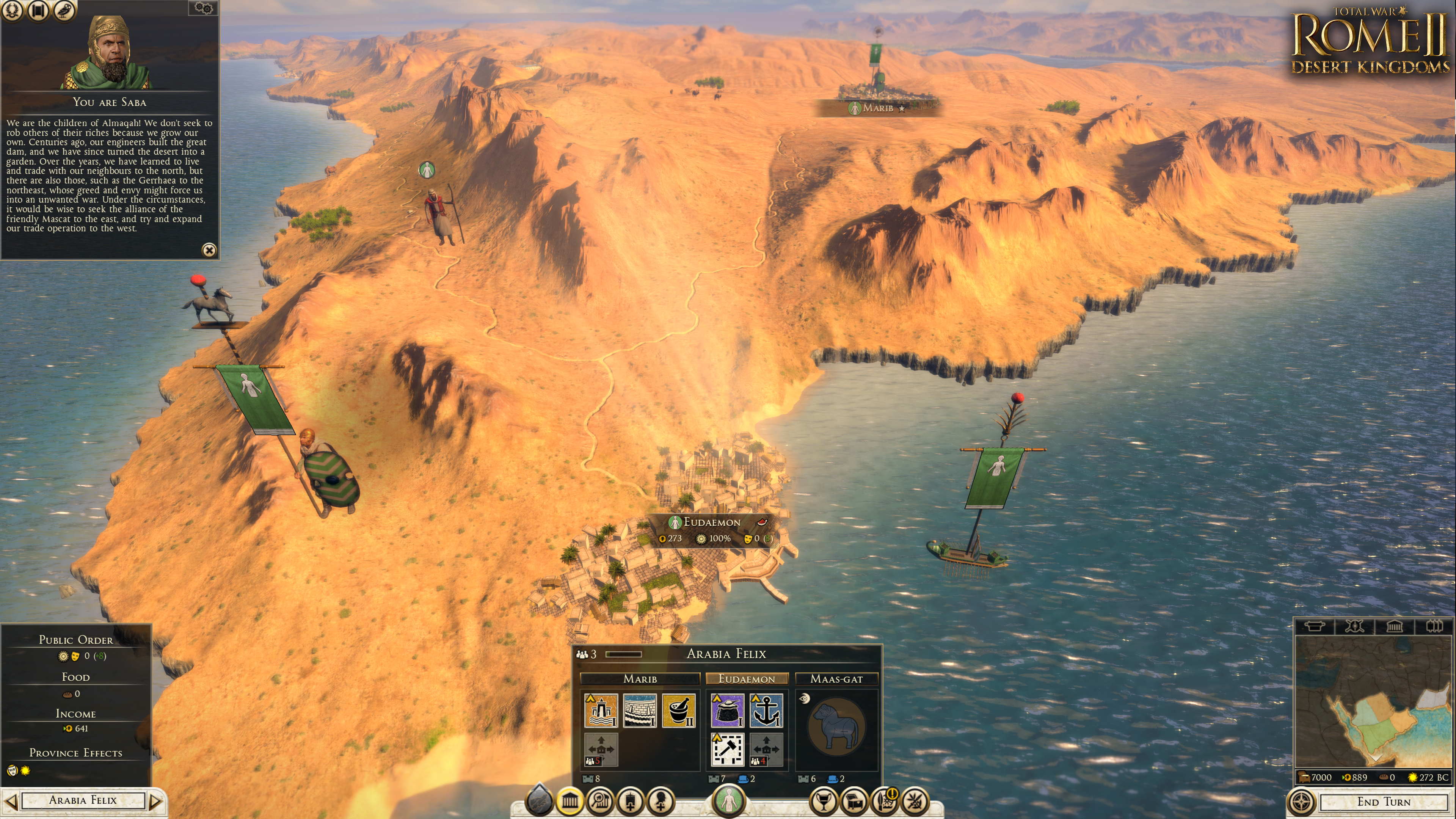
Saba
The Sabaean kingdom lies in the harsh lands of the southern Arabian Peninsula. Even in such inhospitable conditions, however, these ingenious people thrived. They built dams, invented new irrigation techniques and became masters of water-efficiency. The Sabaeans were also excellent sailors, and had strong trade relations with peoples across the Red Sea.
Not warlike by nature, the Sabaeans charged mercenaries with the protection of their trade routes and caravans. That said, they were a resilient people of tough character, who made formidable foes for anyone who dared threaten their great capital city of Marib. Even the Romans could not best them during their expedition in the early 1st century.
Key features:
- Camels as predominant cavalry, with superior armored camels
- Excellent use of javelins and chariots
- Agricultural and fertility bonuses from the famous Marib Dam
- Incense production provides diplomatic and trade bonuses
- Great Dam of Ma’rib: A unique building type which provides faction wide bonuses to agriculture and fertility and can be upgraded with technologies, but requires upkeep to maintain.
Faction Traits:
- Incense Traders: Bonus income from tariffs
- Hired Armies: Access to cheaper, stronger mercenary units
Saba Unit Roster:
Melee Infantry:
T1: Desert LevyT2: Mercenary Maas Gat Marauders
T2: Sabaean Swordsmen
T3: Noble Swordsmen
Spear Infantry:
T1: Desert SpearmenT2: Sabaean Spearmen
T2: Caravan Guard
T4: Marib Royal Guard
Missile Infantry:
T1: SlingersT1: Levy Skirmishers
T2: Tribespeople
T2: Sabaean Archers
Shock Cavalry:
T2: Camel LancersT3: Sabaean Camel Cataphracts
T3: Desert Heavy Lancers
T4: Marib Camel Cataphracts
Melee Cavalry:
T2: Desert CavalryT2: Camel Spearmen
T2: Arabian Cavalry
T3: Mercenary Himyar Cavalry
T3: Armoured Camel Spearmen
T4: Royal Marib Cavalry
Missile Cavalry:
T2: Camel ArchersT3: Royal Camel Archers
Special:
T2: Desert ChariotsNumidia
Prior to Numidia’s founding after the 2nd Punic war, its people were divided into two Berber tribes: the Massyli and the Masaesyli. Both were skilled warriors and there were many rivalries between them.
The Massyli had strong relations with Carthage, a key reason for the Massaesyli aligning with Rome when the opportunity came. Through many twists and turns, both tribes ultimately unified into theK kingdom of Numidia, under the Massylian king Massinissa. He ruled for an astonishing 54 years, transforming his kingdom into a prospering North African power.
Key Features:
- Affinity to Cartage and Latin culture
- Extensive Roman influence in battle
- Cavalry-focused faction
Faction traits
- Desert Ambushers: +50% chance of successfully launching an ambush
Numidia Unit Roster:
Melee Infantry:
T1: Slave InfantryT2: Numidian Light Infantry
T2: Gaetuli Tribesmen
T3: Desert Legionaries
T3: Desert Cohort
Spear Infantry:
T1: Numidian SpearmenT2: Desert Vigiles
T3: Armoured Numidian Spears
T4: Numidian Noble Infantry
Missile Infantry:
T1: TribesmenT1: Tribal Slingers
T2: Numidian Javelinmen
T3: Heavy Numidian Skirmishers
Shock Cavalry:
T2: Numidian RidersT3: Armoured Numidian Riders
Melee Cavalry:
T2: Desert CavalryT3: Armoured Desert Cavalry
T3: Desert Legionary Cavalry
Missile Cavalry:
T1: Gaetuli Horse SkirmishersT2: Numidian Cavalry
T3: Armoured Numidian Cavalry
T4: Numidian Noble Cavalry
Special:
T2: Desert ChariotsT3: Armoured Desert Chariots
T4: African Elephants
Contenido
Tráileres y capturas de la página de la tienda

Juegos como Total War: ROME II - Desert Kingdoms Culture Pack
Etiquetas en común, no la misma serie.








Total War: ROME II - Desert Kingdoms Culture Pack: historial de precios y ofertas actuales
Total War: ROME II - Desert Kingdoms Culture Pack para PC se vende actualmente desde 8,99 € en tiendas autorizadas. Precio más bajo desde el 7 jul 2026: 3,05 €.
Reseñas, duración y clasificación de Total War: ROME II - Desert Kingdoms Culture Pack
296 personas han valorado Total War: ROME II - Desert Kingdoms Culture Pack. 73% son positivas. Steam lo llama Mostly Positive. PEGI lo clasifica como 16+.
Preguntas frecuentes
Respondido con los propios datos de este juego. Donde no tengo nada, no digo nada.
¿Qué tal está el precio actual de Total War: ROME II - Desert Kingdoms Culture Pack?
¿Qué tiendas tienen Total War: ROME II - Desert Kingdoms Culture Pack?
¿Dónde comprar Total War: ROME II - Desert Kingdoms Culture Pack barato?
¿Merece la pena Total War: ROME II - Desert Kingdoms Culture Pack?
¿Qué clasificación por edad tiene Total War: ROME II - Desert Kingdoms Culture Pack?